
Laboratory ovens and muffles: What are the differences and applications?
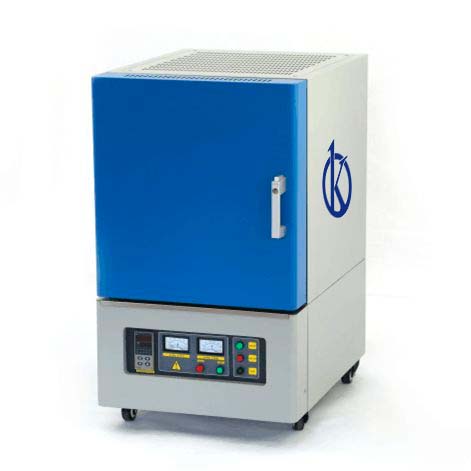
The muffle can reach very high temperatures between 0 and 1700ºC, has the ability to heat quickly with a minimum of energy consumption, is not suitable for working at low temperatures and the ovens or Drying Oven can reach up to 300°C of temperature and its internal chamber is made of stainless steel. Heat transfer is by air flow.
Laboratory Muffles: What are they and what are their characteristics?
A laboratory muffle is an oven that has a closed cooking chamber with a door that allows access to the interior of the chamber and where ceramic materials reach temperatures up to 1700°C and in the same way metals can be melted through thermal energy; it also has a small hole that allows to observe the process, in addition in the roof of the muffle there is a hole by expels the gases of the chamber, they are made in thermal materials and insulators, that allow to fulfill its function without risks.
What are the general principles of electrosurgery?
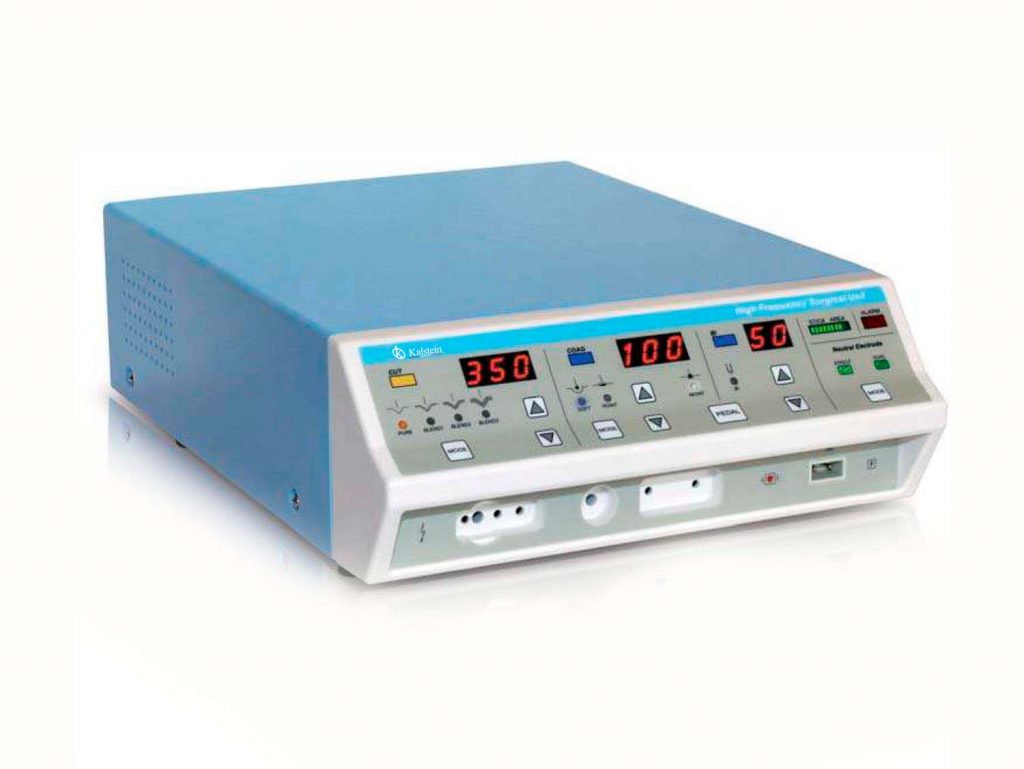
Electrosurgery is a surgical subspecialty where high frequency electrical energy is used on any biological tissue, in order to obtain a desired effect, this effect depends on current, waveform and voltage. It is currently widely used in operating theaters, due to its remarkable benefits, such as the notable reduction of bleeding during the intervention, which translates into less duration of surgery and better aseptic conditions.
Which is an infusion pump in nursing?
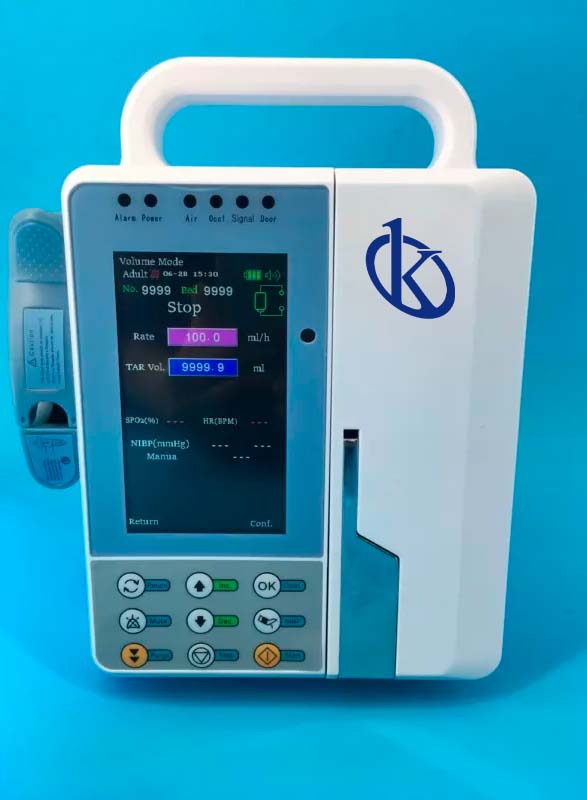
Infusion pumps are artificial energy devices capable of providing a positive influence of liquid to infuse in patients, providing greater accuracy and safety of drugs than traditional methods of flow control (controllers), thus avoiding bacterial agents and in turn decreasing the percentage of human errors.
Where is the electrocautery placed?
An electrocautery is an electronic equipment that uses radio frequency to coagulate, desiccate, and cauterize blood vessels that present bleeding. The operation of this instrument is based on high frequency technology, that is to say at a certain voltage and at a high frequency hemostasis can be performed in small blood vessels or even coagulate and cut tissues, obtaining very good results.
Patient monitor: rules for use
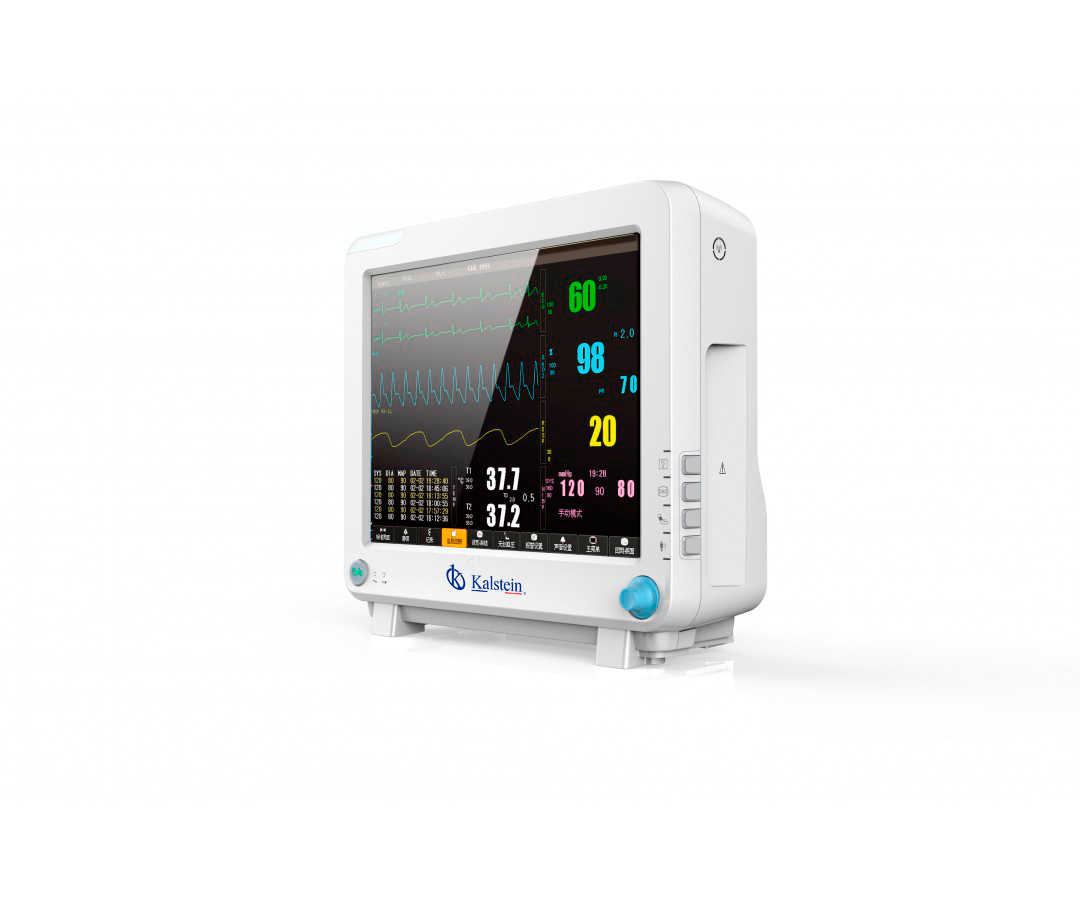
A patient monitor is a medical device that collects and stores the patient’s vital signs, which together with alarm systems process and record the patient’s parameters. They are equipment capable of providing operating facilities for medical personnel and modern medical practice. Nowadays, these patient monitors collect information of different physiological parameters and store trends and events of arrhythmias.
How do I handle a sign?
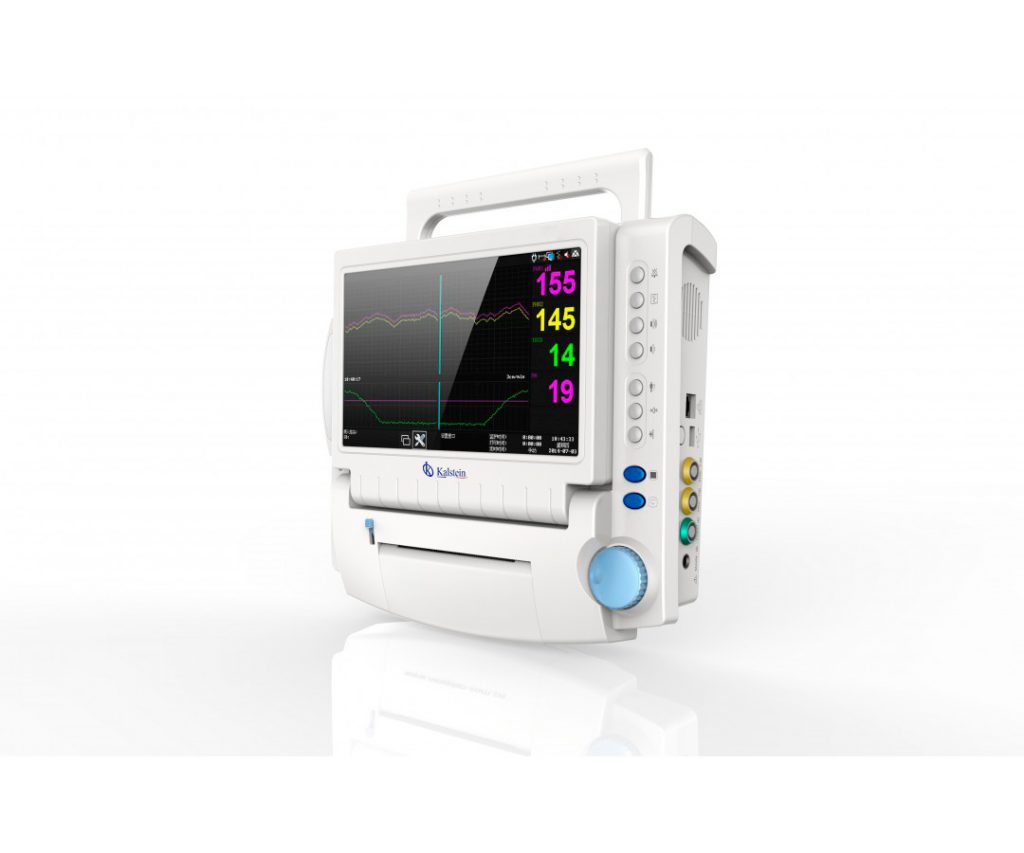
The management of vital signs is fundamental in the physiological assessment of each person, and therefore, the role of health experts is essential. In the work of health experts, the studies of vital signs help that this one provides a holistic care with foundations to each of the patients in charge, it is for this reason that they must be prepared, with updated and informed knowledge, so that I managed to identify alterations in the people in charge.
What are the immediate care in a newborn?
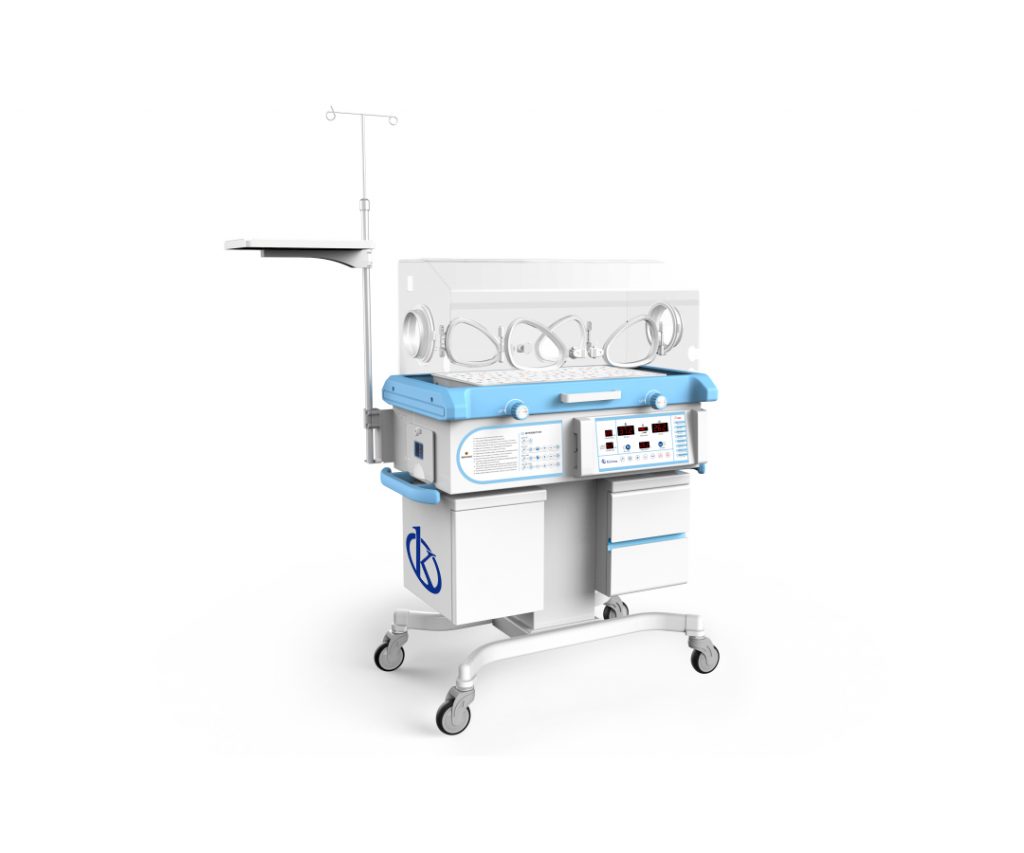
The newborn should be guaranteed initial care, to avoid disease risks and reduce the possibility of dying, so the newborn should receive optimal transitional treatment due to changes in the environment, vital needs must be met, because of this requires a series of procedures to comply and a variety of equipment that must be present in a maternity ward.
How do you divide an operating table?
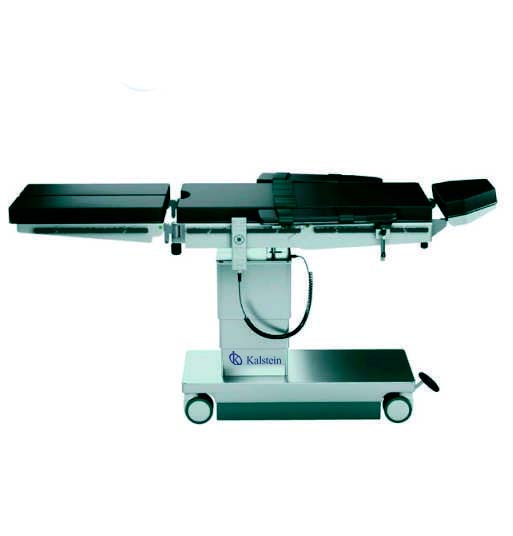
An operating table is a medical team that meets a series of precise standards, whose function is to position the patient during a surgical intervention, it has specific standards for the desired clinical position. It consists of a platform divided into sections, where the patient can sit or lie down. It also has arms; a remote controller that adjusts the patient’s positions relative to the surgeon, the table tilt and height; and other accessories that contribute to the stability of each position.
What is an ultrasonic cleaner used for?
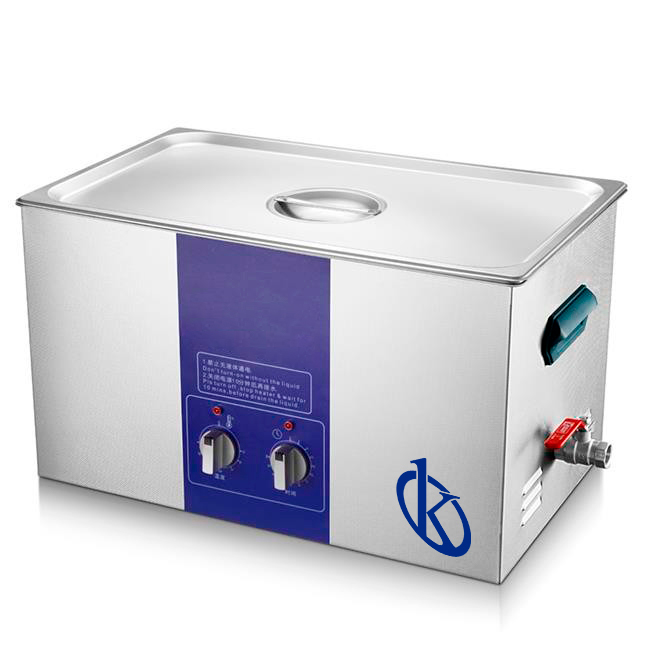
hard-to-reach areas, removing dirt and bacteria that other cleaning devices fail to remove. They are usually formed by a container, in which the object or objects to be treated are introduced, immersed in a special liquid through which the high frequency waves propagate, generating an effect called acoustic cavitation through which optimal cleaning is achieved.