
Laboratory rotary evaporator: what is its importance in the chemical industry?
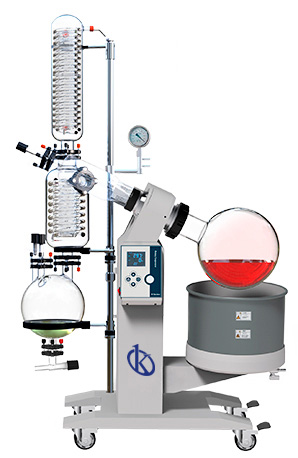
A rotary evaporator is a laboratory instrument used in order to eliminate or recover solvents at low pressure, thus allowing the extraction of compounds more efficiently than with common distillation-condensation systems.
Laboratory homogenizer: What are the different types that exist?
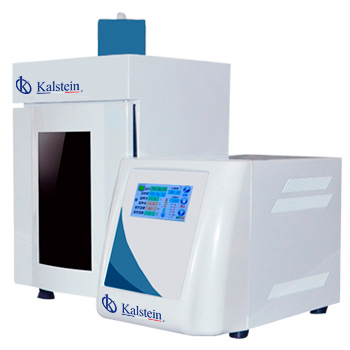
These equipments allow obtaining nanoparticles, nano dispersions, nano emulsions and cell rupture at high pressure. It is widely used in laboratories as it facilitates testing with small amounts of sample and ensures quality results; this procedure is a very common step in the preparation of biological samples before analysis of nucleic acids and proteins, or the study of cells, metabolism, pathogens and many other targets.
CO2 zero emission plan for 2030

There is currently no country or region in the world that has not experienced the dramatic effects of climate change. Greenhouse gas emissions have increased considerably over the past 100 years, leading to an accelerated increase in global warming, which in turn has led to permanent changes in the climate system, the consequences of which may become irreversible if the necessary measures are not taken now.
What is the importance of an electroscalpel?
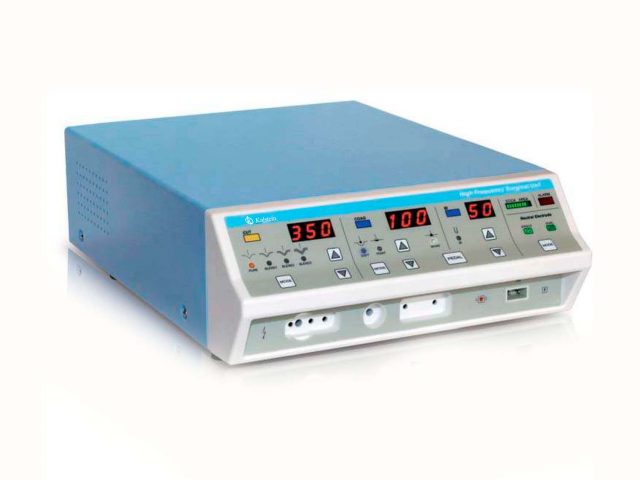
An electroscalpel is a medical device of electrical origin used in operating rooms with the aim of cutting or coagulating tissues and cauterizing them at the same time, thus reducing the time of surgical intervention and thus avoiding unwanted and unexpected bleeding. It is also known as an electric scalpel or surgical unit, and is commonly used today in many specialties of medicine, such as obstetrics, dentistry, orthopedics, dermatology and veterinary medicine, to name a few.
How does a laboratory ion meter work?
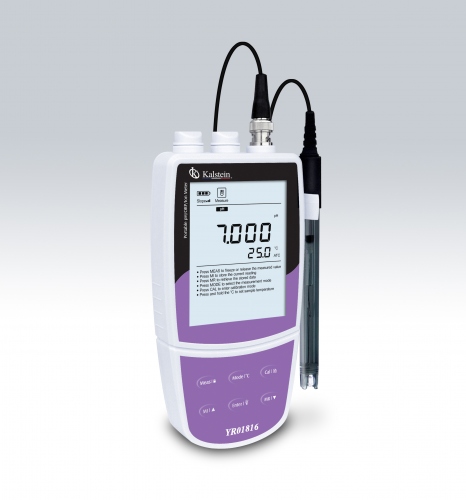
An ion meter is an analytical and electrochemical instrument used to measure the concentration of ions in a solution, using ion electrodes (ISE).
Real-time thermocycler: How does it work?
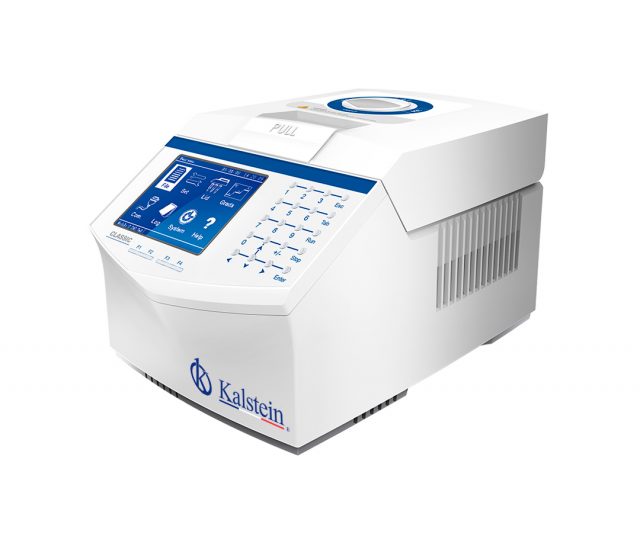
A real-time thermocycler is a molecular biology equipment widely used in the laboratories of this specialty. These devices carry out the polymerase chain reaction in real time (qPCR), that is to say they allow carrying out the PCR and at the same time they can absolutely quantify the product of the amplification.
Importance of a laboratory Freeze Dryer
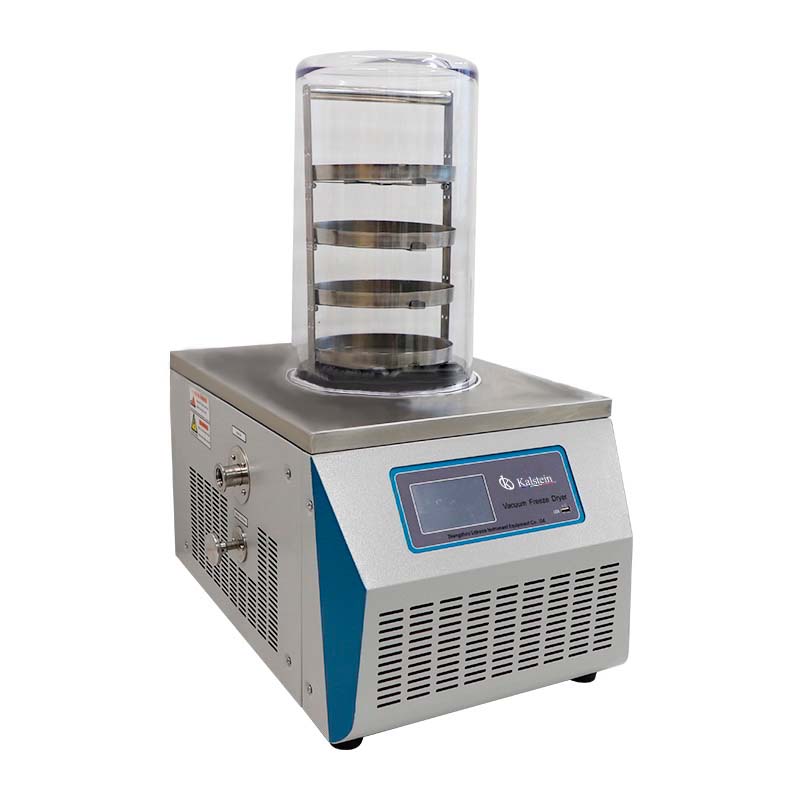
The freeze-drier is a laboratory equipment used to carry out the freeze-drying process, which consists of extracting the moisture present in a given product by cold-drying. In other words, this laboratory device is responsible for dehydrating the samples by cold.
Importance of Recirculation Baths in a Laboratory
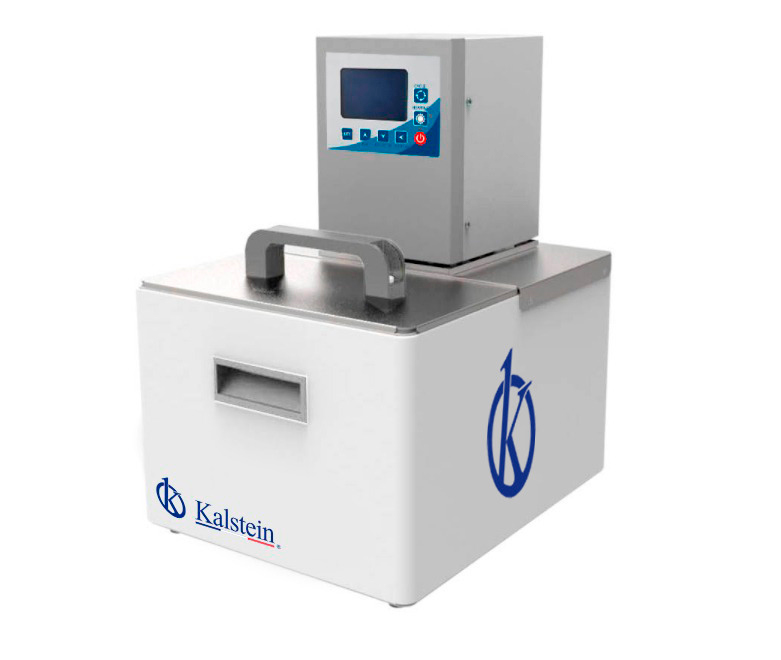
They are essential equipment in a laboratory, because they are used to contain water and with a fixed temperature that can be regulated; its importance lies in its use, since they allow to maintain a constant temperature while moving liquids; and according to the needs of the sample the recirculation baths can heat or cool the water; are the best solution for any application that requires placing multiple samples in a water bath, where it is necessary to ensure precise and effective temperature control directly from the samples submerged in the water, from the ambient temperature to 105 °C.
What is a micropipette? and its functions
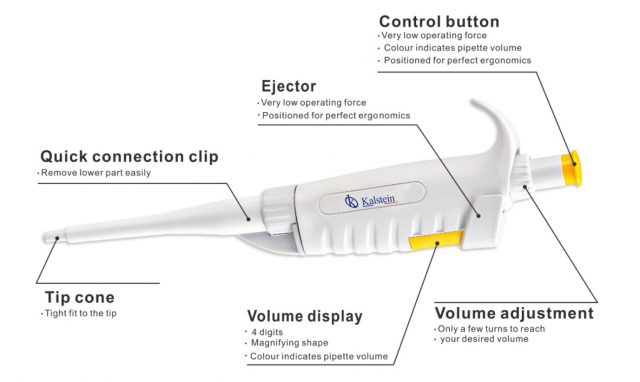
Laboratory micropipettes are devices, ideal for liquid measurement needs that are carried out in these places, whether in clinical analysis, experiments or quality control tests. They are part of the laboratory instruments used to absorb and transfer small volumes of liquids.
What type of water should be used for a water bath?
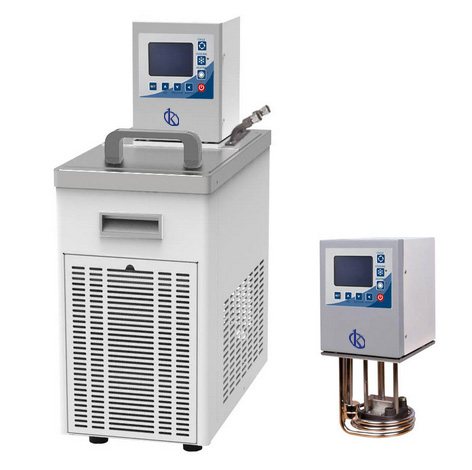
Water baths are equipment that allows maintaining a uniform temperature necessary for different tests and laboratory tests; so it depends on these tests, the types of samples and tests to be carried out that you select the type of water you should use; we refer to water type 2, type 1 and type 0, ranging from the required water, water that has certain conditions and definitely the water not suitable for this kind of equipment.