
Real-time thermocyclist, what is it? and uses
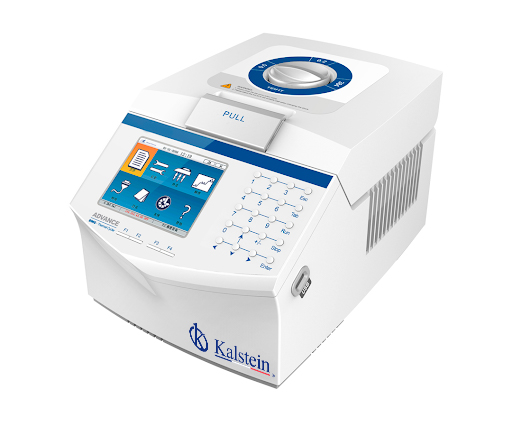
A real-time thermocyclist is a specialized tool used in molecular biology laboratories to efficiently and quickly carry out real-time polymerase chain reaction (qPCR). This is achieved by automatic and cyclical temperature changes required for the amplification of a deoxyribonucleic acid (DNA) chain; from a thermostable enzyme.
Laboratory turbidimeter: operation
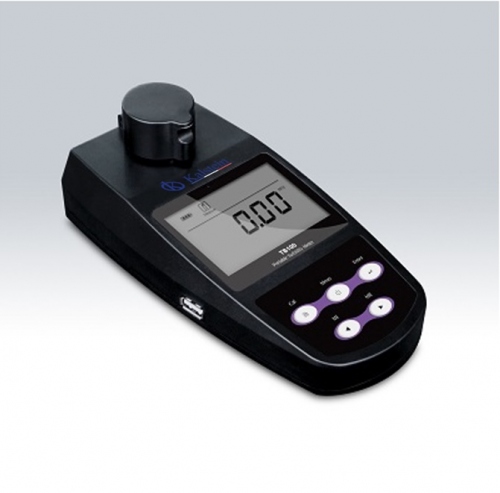
A turbidimeter is a laboratory device used to measure suspended particles in a liquid, that is, to measure their degree of turbidity. This instrument is designed for both field and laboratory measurements, and its use is of great importance in the pharmaceutical industries, food industry, paper industry, wastewater treatment plants and drinking water.
Agitators: 3D, oscillating, linear, orbital, rotational, wheel, rolling and their differences.
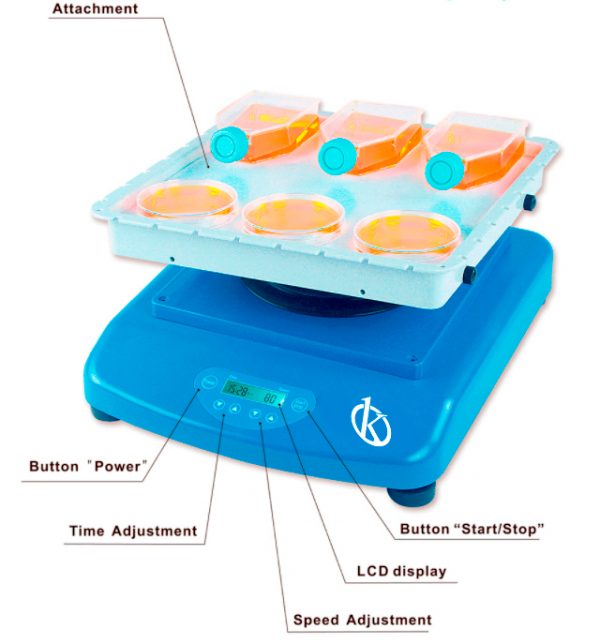
The different types of KALSTEIN agitators that we can offer you as a leading brand in the market, have certain differences based on their characteristics; that undoubtedly respond to the needs in the workplace that arise, KALSTEIN as manufacturers of laboratories, you can offer you the necessary advice, and accompaniment that you require to clarify your doubts and solve your concerns.
Ultrasonic Cleaner How does it work?
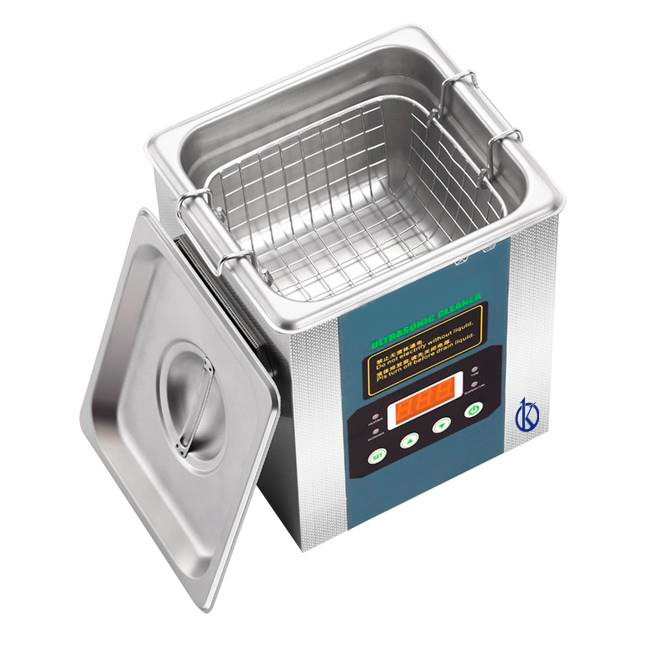
An ultrasonic cleaner is specialized equipment that can effectively clean delicate items or hard-to-reach areas. These equipments generally consist of a container, in which the object or objects to be treated are introduced, submerged in a special liquid through which high-frequency waves propagate, generating an effect called acoustic cavitation through which achieves optimal cleaning.
What is the importance of a deep freezer in a laboratory?
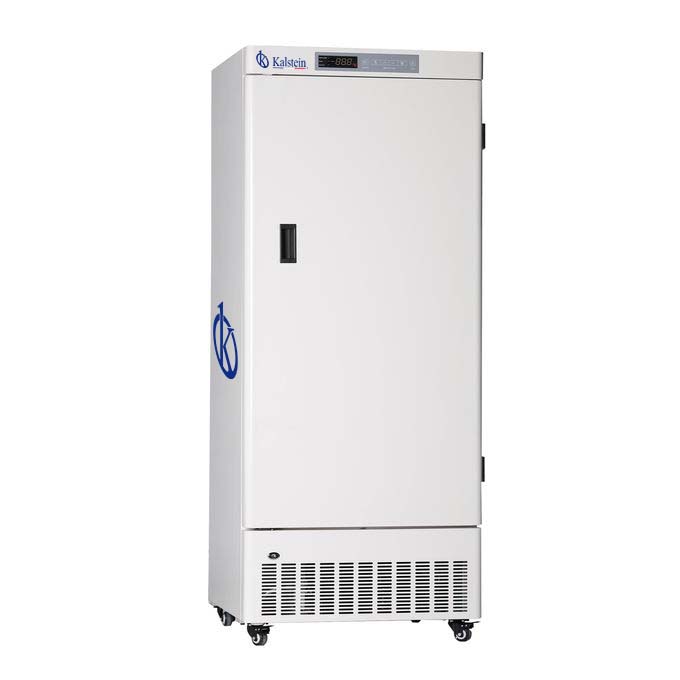
The laboratories are scientific spaces for research, experimentation, where different types of examinations and evaluations are carried out that require the conservation, protection and storage of samples; laboratory users know the needs of the products they require in the special spaces of science, medicine and industry; this is the case of deep freezers, special equipment that provides reliability and safety to the samples.
Importance of a drying ovens in a laboratory
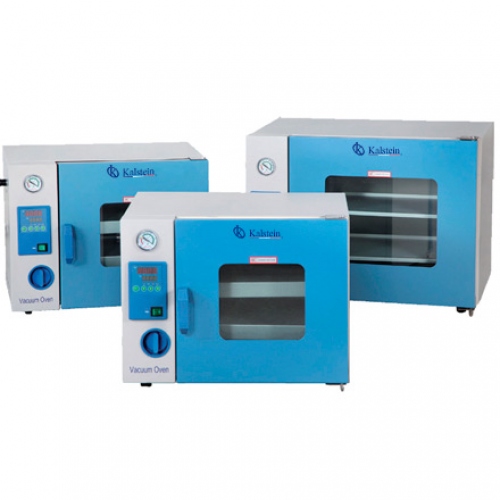
Currently there are many types of laboratory equipment and instruments, but one of the most common and important are drying ovens. A drying oven is an instrument used to dry glass and metal containers. Depending on the mode of operation, there are basically two types of ovens: those that operate by natural convection and those that operate by forced convection.
Deionization and Reverse Osmosis What are their differences?

The processes for water purification are varied, and the choice of one will depend on the needs of the user, since each one will leave the water prepared for different applications, in addition to that, each treatment performs a process and requires special equipment; Now, remember that these treatments are carried out because water has impurities, there are scientific and medical areas in which purified and ultrapure water is required.
What is a clinical centrifuge?
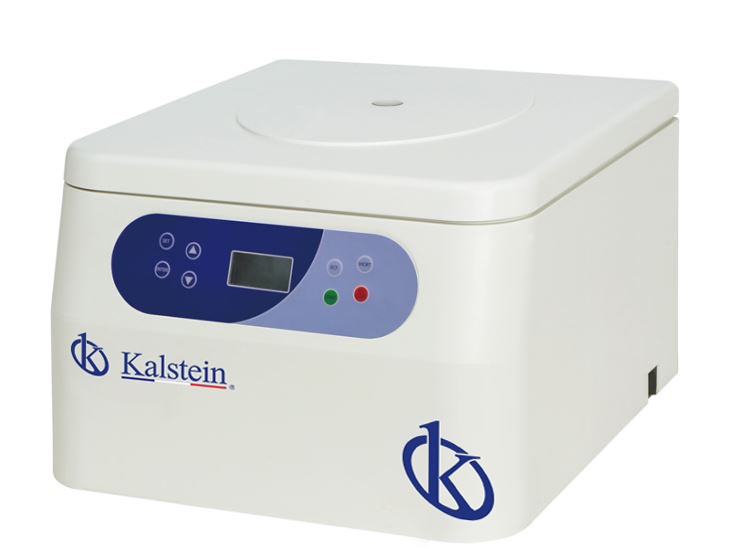
A clinical centrifuge is a laboratory instrument that separates cellular components, blood plasma and serum, cellular elements from urine samples and other biological liquids, through rotational movements. It does this by applying sustained centrifugal force (that is, a force produced by rotation) to propel elements away from the center of rotation, allowing particles to separate in a liquid medium by sedimentation.
Reportable refractometers and their clinical applications.
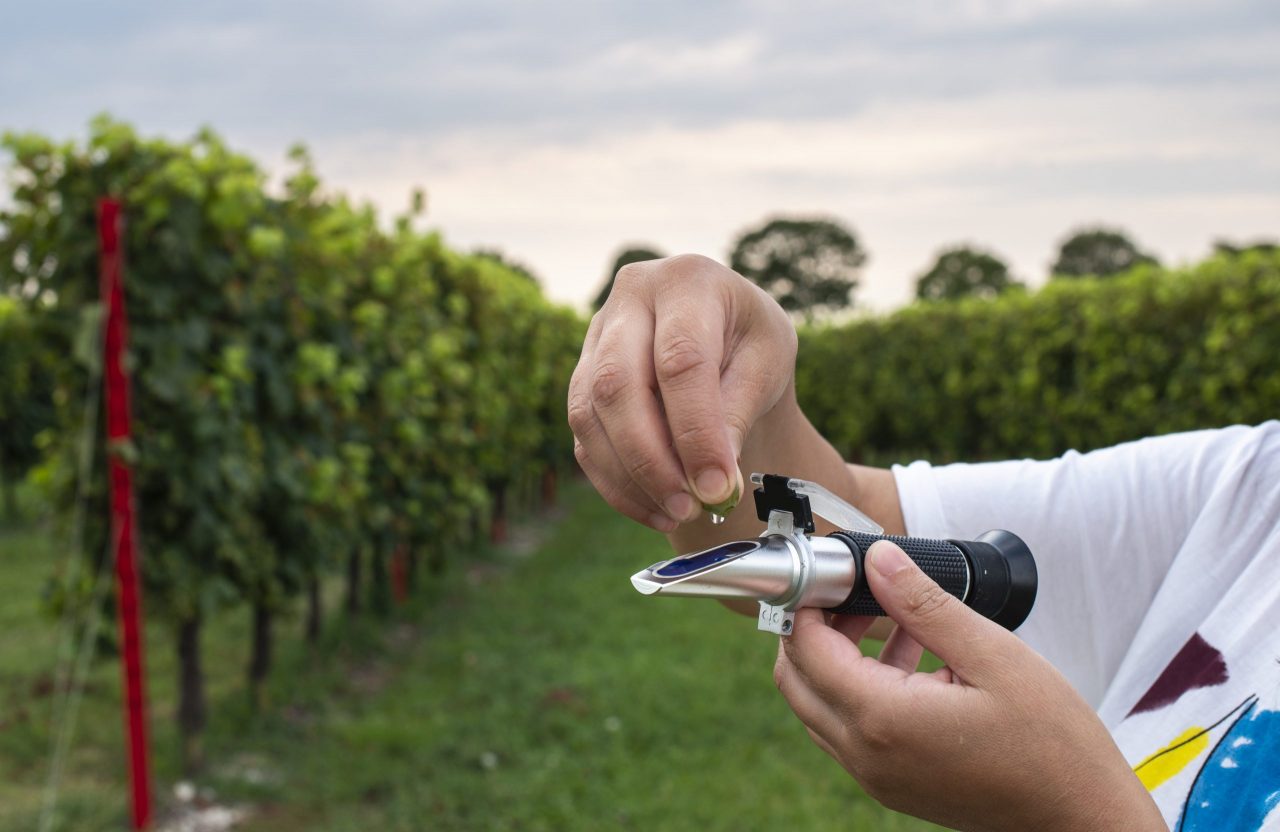
It is a portable device of firm use, which is used easily to monitor in a simple way the Brix degrees, that is, the sugar content in solutions, facilitates measurements in the field, these portable refractometers can be manual and desktop type, which makes it more practical in addition to being considered synonymous with accuracy and simplicity.
Differences between a tissue water bath and a tissue floatation bath
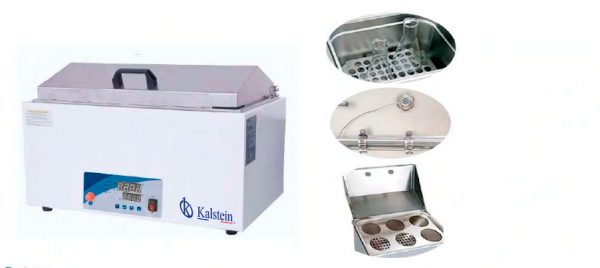
A tissue water bath is an equipment composed of a container capable of holding hot water to incubate tissue samples in water at a constant temperature for a prolonged period of time.