
Centrifuge: How to separate samples?
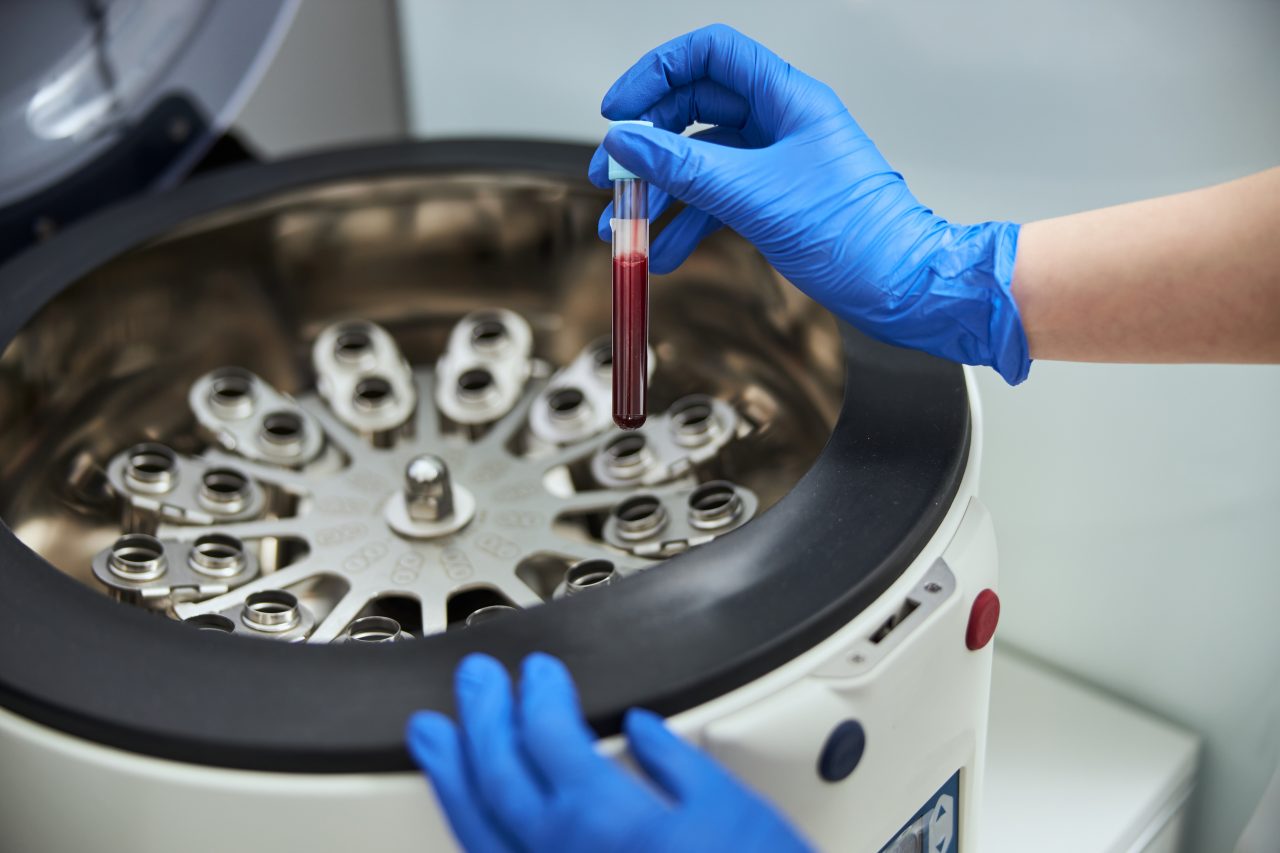
Centrifugation is a process that is carried out in most laboratories and that allows the separation of mixtures made up of solid and liquid elements of different densities, exposing them to a rotating force in equipment called a centrifuge. Using this equipment, plasma can be separated from blood, as well as platelets, intracellular organelles and DNA. This process pushes the densest elements in the sample away from the center of rotation, while the least dense remain in the center.
Warming blanket and measuring ball
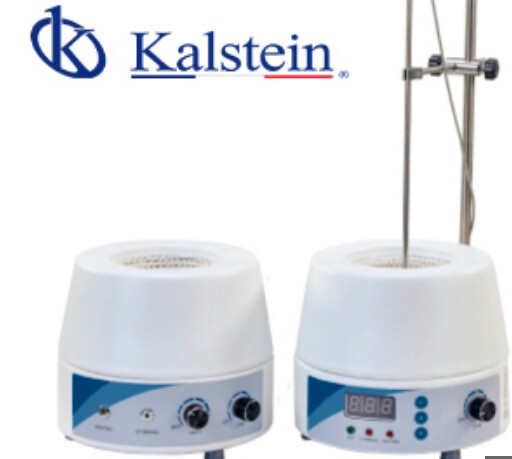
The heating blanket is a piece of equipment used in laboratories, to supply a certain stable temperature in a uniform and safe way to various containers, whose base is round. It is used mainly to provide stable temperature to volumetric or graduated balloons.
Laboratory shakers: porcelain or glass dishes
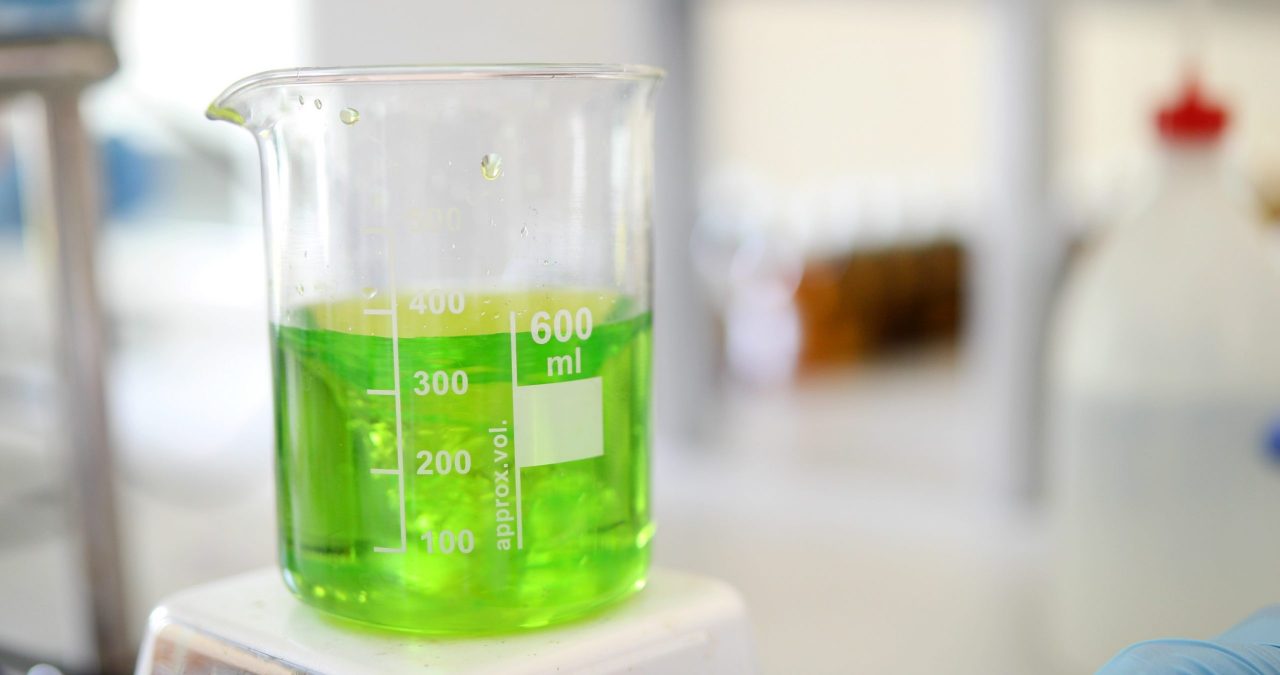
The laboratory shaker are electromechanical devices that are commonly used in specialized chemistry and / or biology laboratories to homogeneously mix solutions and suspensions for tests and trials.
Turbidimeter – Measuring Ranges
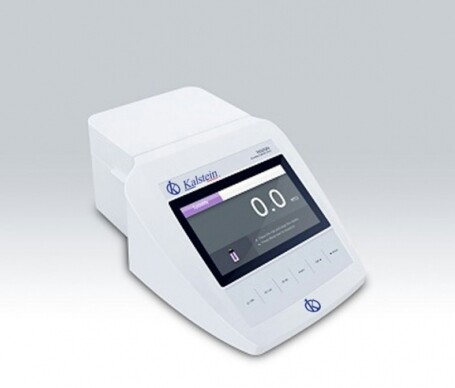
A turbidimeter is a piece of equipment used to measure the turbidity of a liquid. These devices can also set the size and concentration of suspended particles through light scattering in a tube.
The spectrophotometer
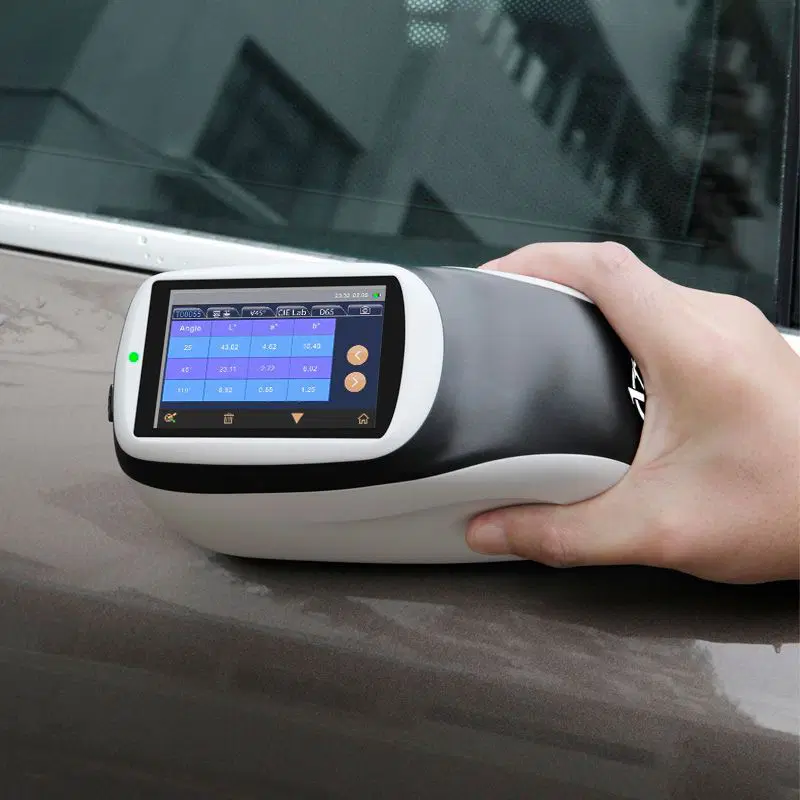
A spectrophotometer is an instrument that measures how much light a substance absorbs. Measures the amount of photon absorbance after passing through a solution. Each substance transmits, reflects, and absorbs light slightly differently. In chemistry, spectrophotometry is the quantitative measurement of the transmission properties of a material based on the light wave.
Ultracentrifuge: rpm and gravity
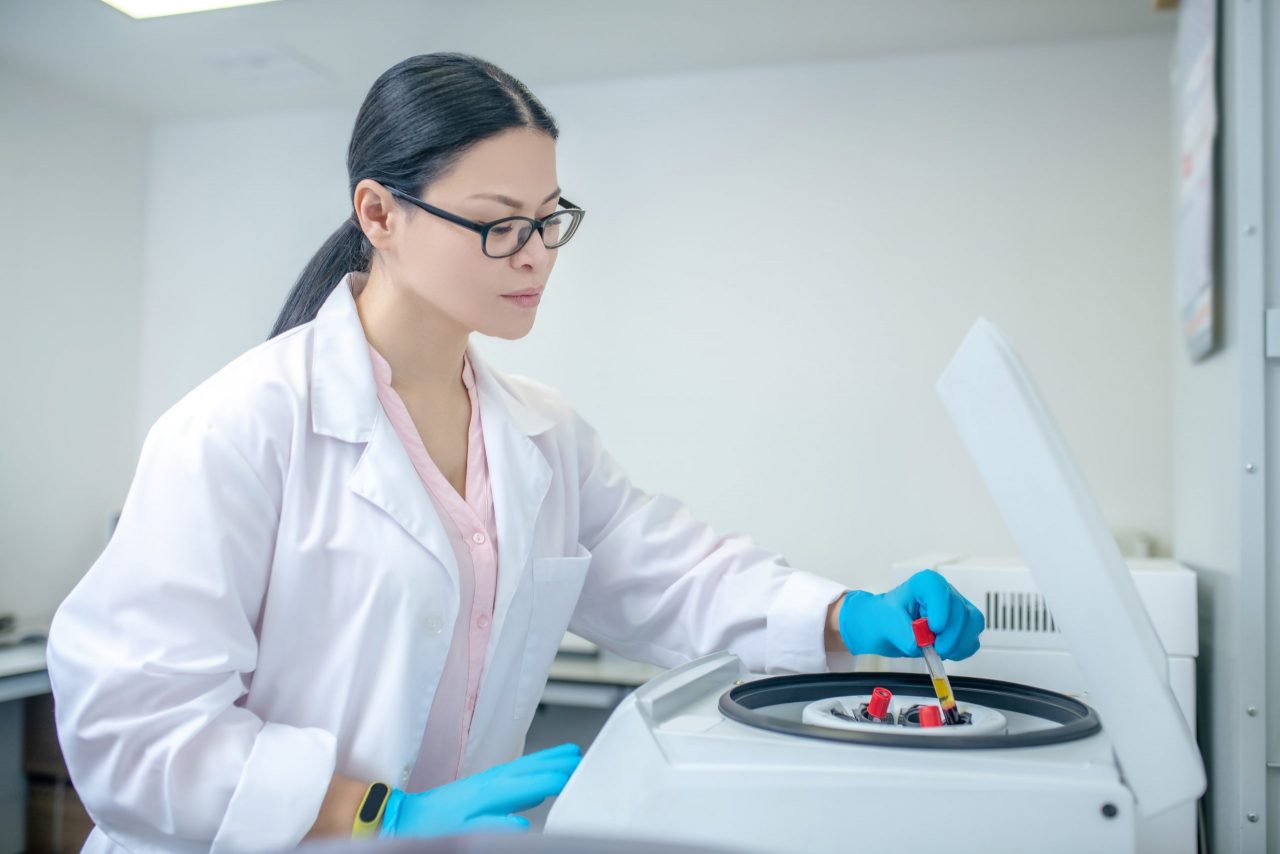
The ultracentrifuge is an equipment intended for the separation of particles with a low sedimentation coefficient (microsomes, viruses, macromolecules). The maximum speed it reaches is 100,000 rpm or 802,000 xg, so it has auxiliary cooling and high vacuum systems.
Laboratory micropipettes
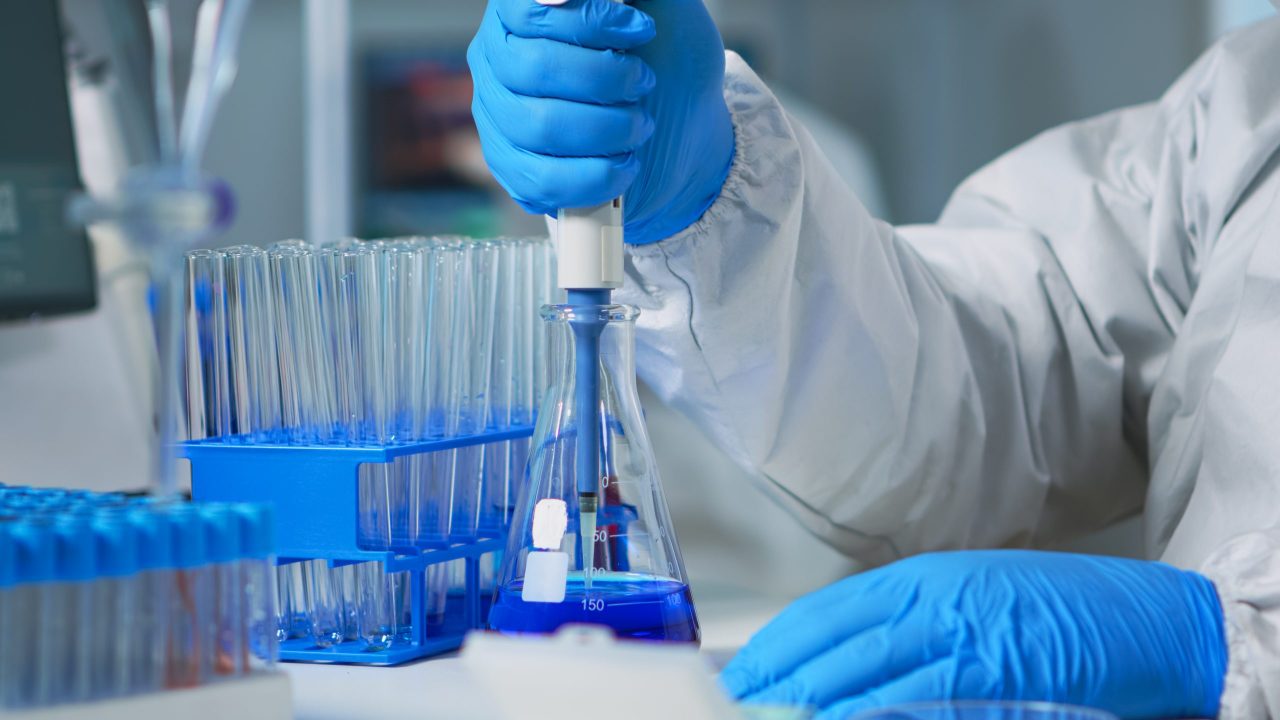
A micropipette is a laboratory device used to absorb and transfer small volumes of liquids. The volumes that can be captured by these instruments vary according to the model and type of pipette: the most common, called p20, p200 and p1000, admit a maximum of 20, 200 and 1000 μl, respectively.
What is a vortex shaker?
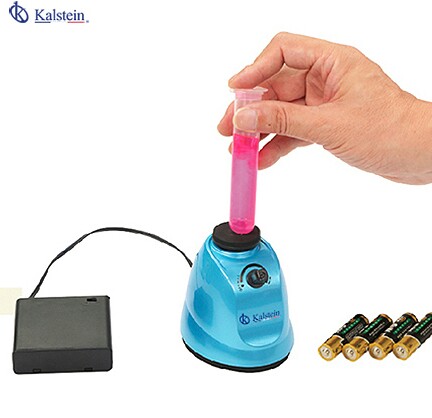
A vortex shaker is a simple device commonly used in laboratories to mix small vials of liquid. It consists of an electric motor with a vertically oriented drive shaft attached to a slightly mounted recessed rubber part.
What is pathological anatomy?
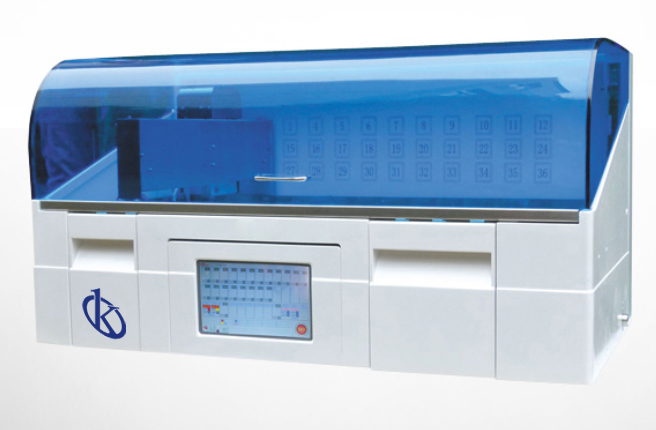
Pathological anatomy is the science that studies the pathophysiological and morphological alterations of the disease. It studies the disease at an organic, tissue, cellular, subcellular, and molecular level.
Electrophoresis and Gel Documentation Systems
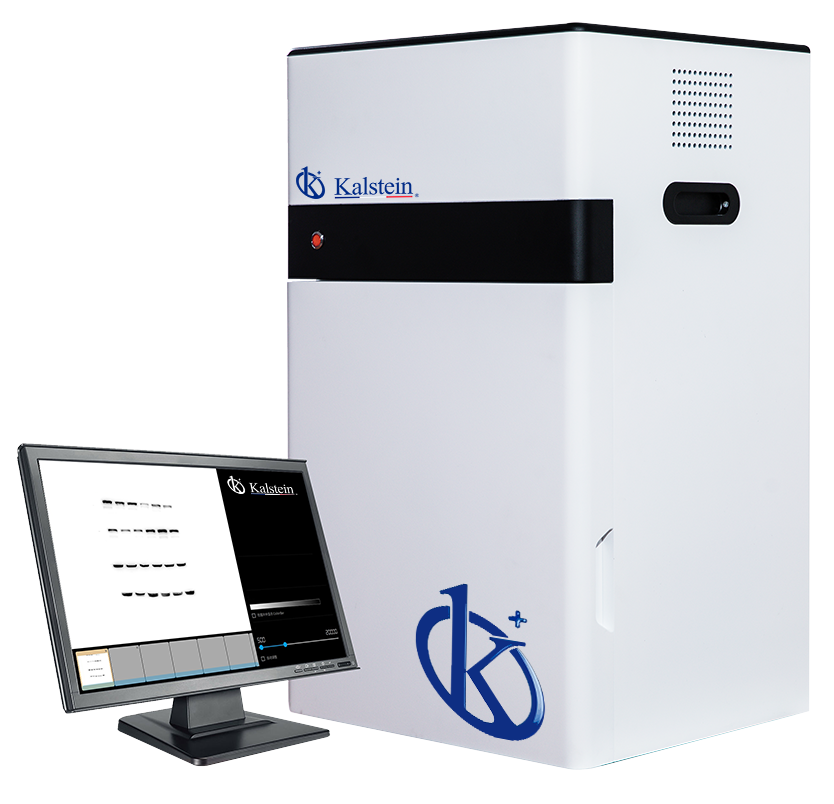
Gel electrophoresis is a widely used technique in life science laboratories to separate macromolecules such as DNA, RNA, and proteins. In this technique, molecules are separated according to size and electrical charge.