
What technology uses a spectrophotometer?
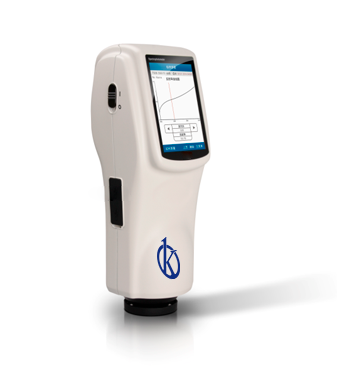
A spectrophotometer is a laboratory equipment used to measure the absorbance of a sample, as a function of the wavelength of an electromagnetic radiation, and thus know the concentration of substances in a solution. In general, this equipment consists of 4 main parts: a source, a monochromator, a beam splitter, a sample area and a detector. It also has optical elements such as lenses or mirrors, which transmit light throughout the entire equipment.
Use of the Colorimeter in determining the concentration of nutrients in the water used in the laboratory
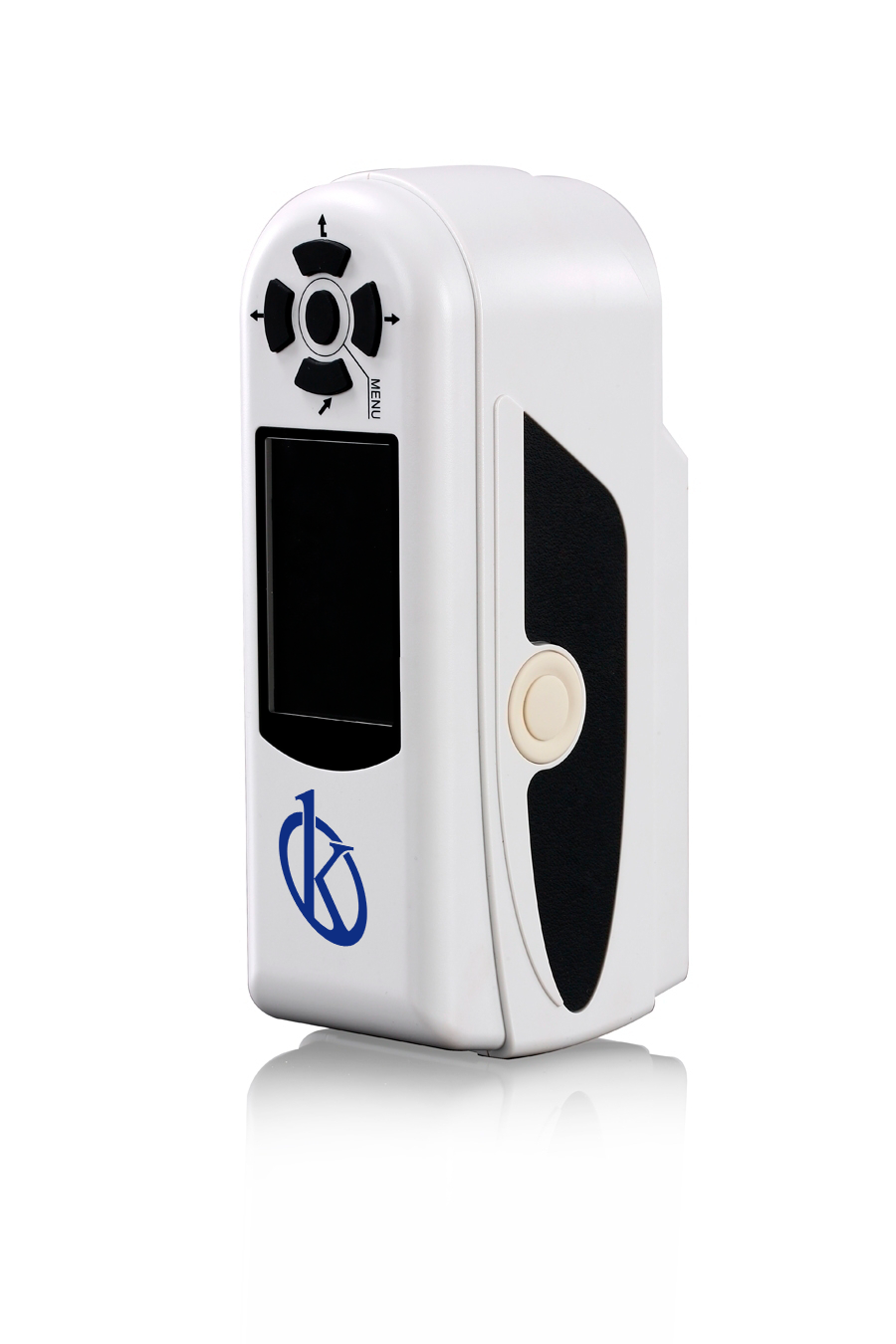
A colorimeter is a tool used to determine the concentration of a chemical in a sample. It is a portable and compact device that can be used both in the laboratory and in the field. Therefore, in Kalstein we have the optimal colorimeter that measures the absorbance of a solution, and converts the concentration of a substance into a numerical value. This tool is very useful for measuring the concentration of nutrients in water, since accurate and fast results can be obtained.
Colorimeter Applications in Analytical Chemistry
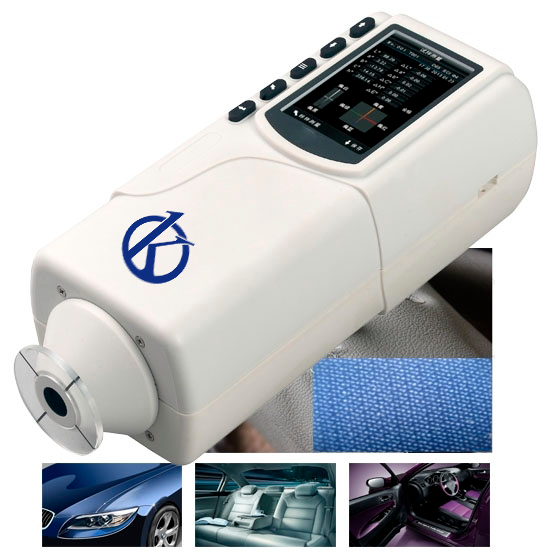
In analytical chemistry, a colorimeter is an instrument used to measure the concentration of a solution by measuring the absorbance of light at a particular wavelength. It usually consists of a light source, a filter and a detector. The light source is usually white light and the filter is used to select the wavelength of light that will pass through the solution. The detector is usually a photodiode, which converts light into an electrical signal.
The Colorimeter in Chemical Analysis
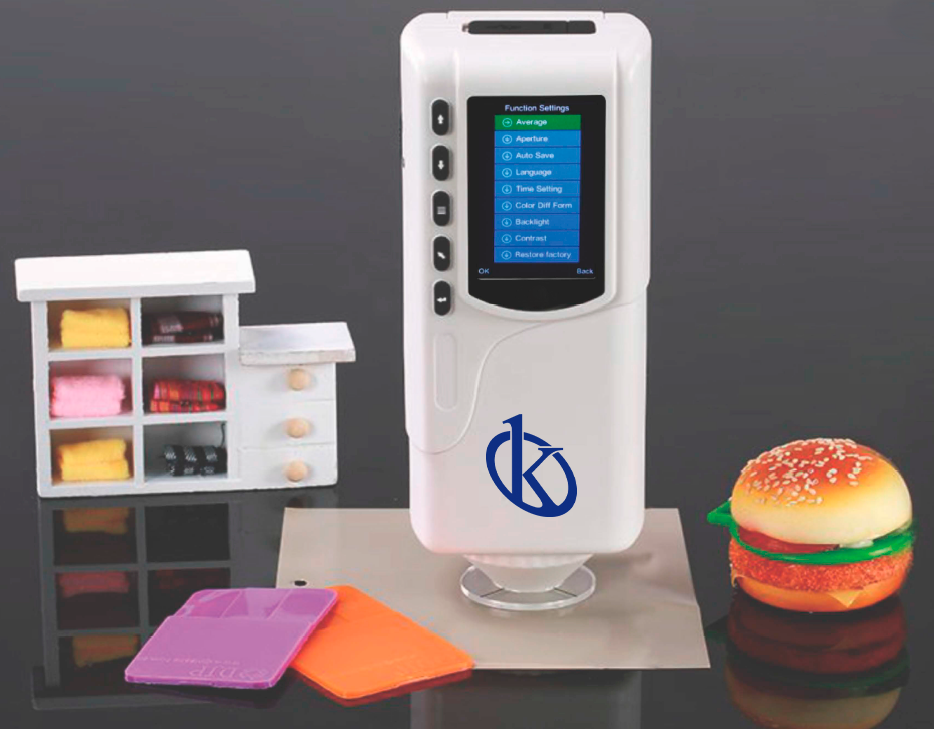
The colorimeter is a measuring instrument used to measure the concentration of a chemical in a sample. The concentration is measured in terms of the absorbance of light by the sample, and the colorimeter can be measured over a wide range of wavelengths.
Identification of anions by colorimeter
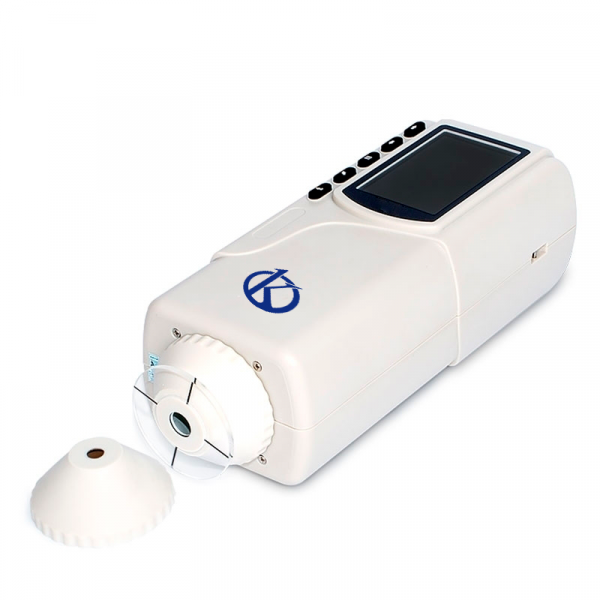
Anions are negatively charged ions, are in solution and are attracted to the anode, or positive electrode. To identify anions in solution, we can use a colorimeter. A colorimeter is an instrument that uses light to measure the concentration of a solution. Light passes through the solution and its absorbance is measured, it is then related to the concentration of the solution.
How is the color of a sample measured using the Colorimeter?
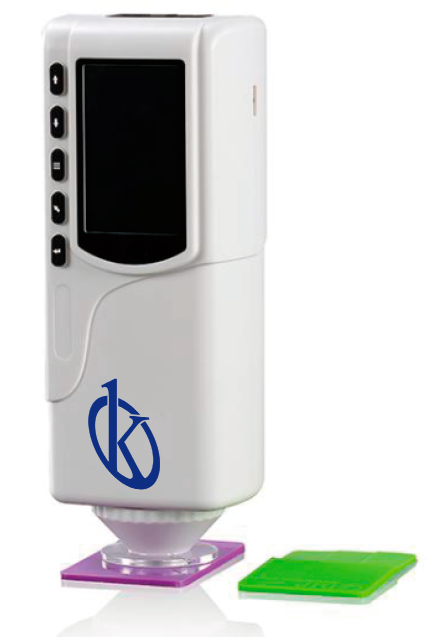
The colorimeter is an instrument used to determine the color of a sample. It is based on a photometer, which measures the intensity of light at a specific wavelength and compares the result with the intensity of a reference light at the same wavelength. The comparison is made by using an optical density scale or calibration curve.
Quantitative data from a Colorimeter reading
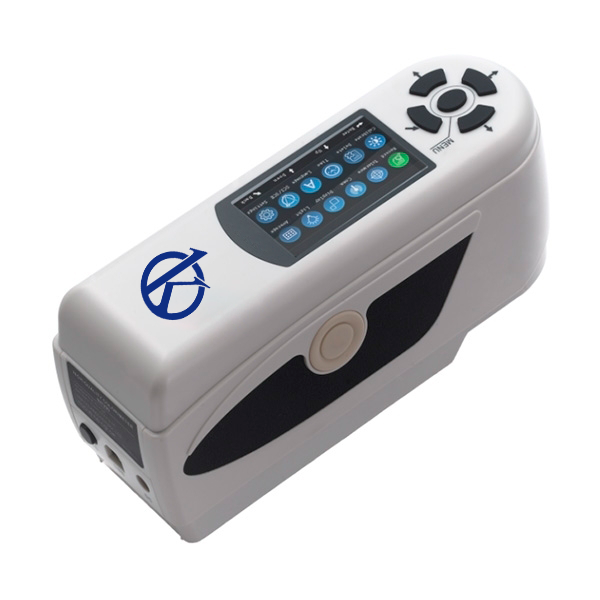
The Colorimeter is an optical device that can be used to measure the absorption of a chemical at a specific wavelength of light. This wavelength can be adjusted by using a filter and can be measured with a photometer. The colorimeter is often used to analyze the chlorophyll content of plants.
Features and applications of colorimeters
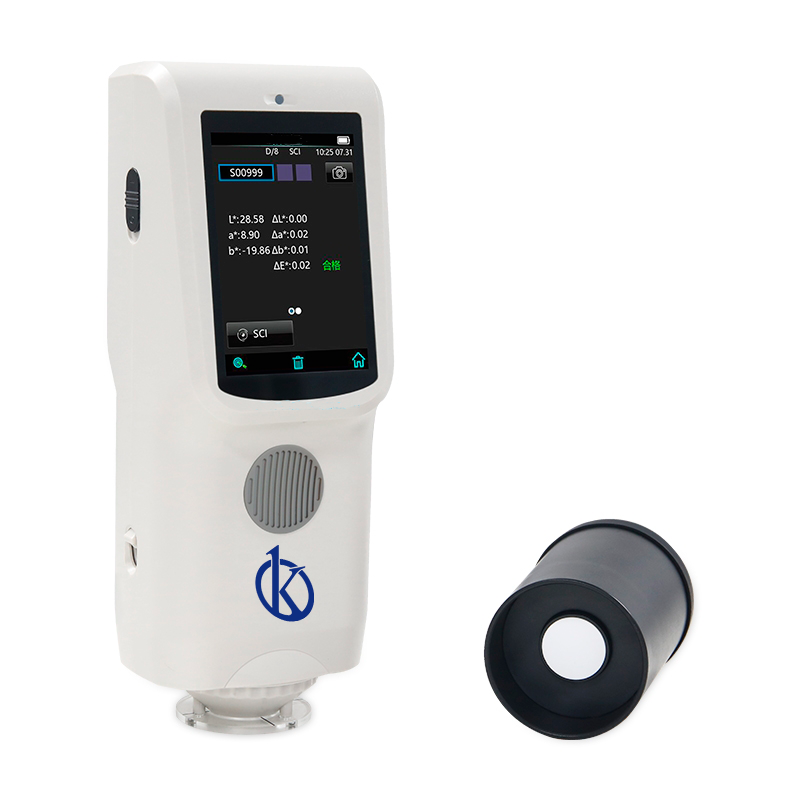
Colorimeters are instruments used to measure and analyze colors. Specialized color measurement equipment, using “tristimulus” measurements based on the passage of light through the three primary filters, red, green and blue, simulates the way the human eye is sensitive to light. These three-stimulus color measurements provide information about the amount of these three components present in light reflected or transmitted by a product or material.
What are the types of colorimeters?
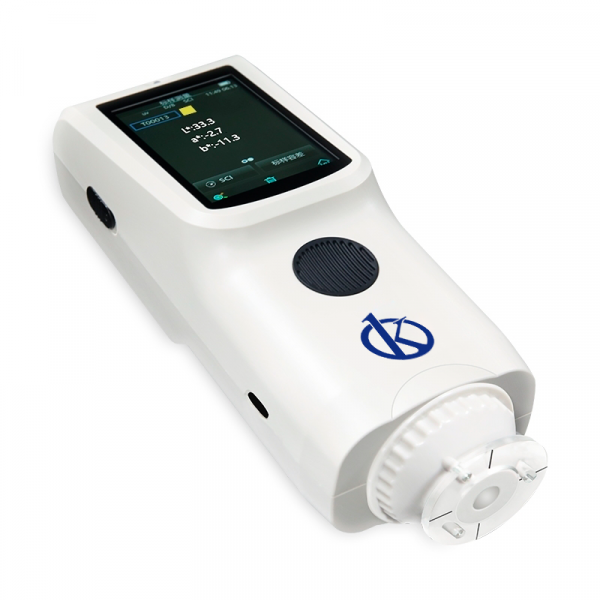
Colorimeters are instruments used to determine the exact composition of a color, because they have the ability to provide accurate and objective measurements of color, providing accurate information of color intensity and hue. They are frequently used instruments in colorimetry, a branch of science that is responsible for the study of colors and, especially, how to measure them.
Monitoring of thermal testing with the use of the climate chamber

The evaluation of manufactured products, under environmental conditions similar to those where these elements will operate, allows to guarantee the quality and reliability of the product, in addition to the expected performance, in the environment where it will be used.