
How to remove fungi from our microscopes?

Microscopes are essential equipment in any laboratory, some are very simple while others are more complex equipment; however, they are all made up of many parts that require proper maintenance, since they represent a large investment.
The steam autoclave
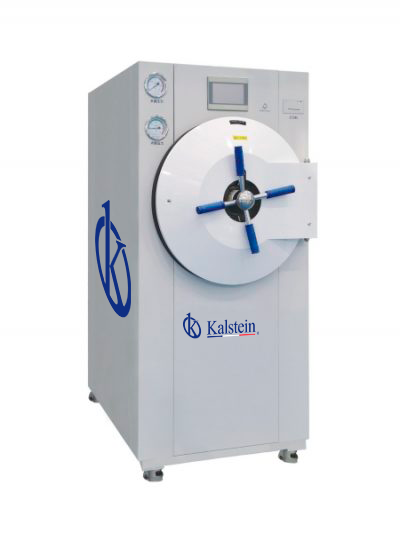
Steam sterilization is the preferred method of sterilization and works by denaturing proteins. Steam autoclaves are equipment designed to use high pressure and temperature steam to kill microorganisms. Sterilization involves the complete destruction of all microorganisms, including resistant bacteria, bacterial spores, protozoa, prions, viruses and fungi present in liquids, surfaces of materials, drugs or culture media.
Double door autoclave: Application
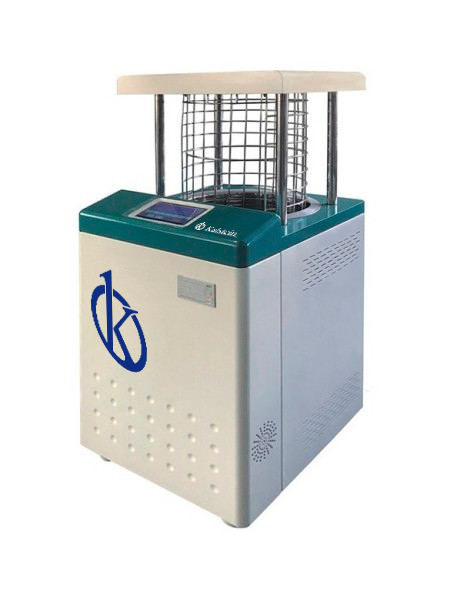
Double door autoclaves are a special type of autoclave used in clean rooms and containment suites. In the case of a clean room application, the autoclave is used for the sterilization of equipment entering a clean or aseptic area, such as a pharmaceutical production environment.
The microtome and bone cutting
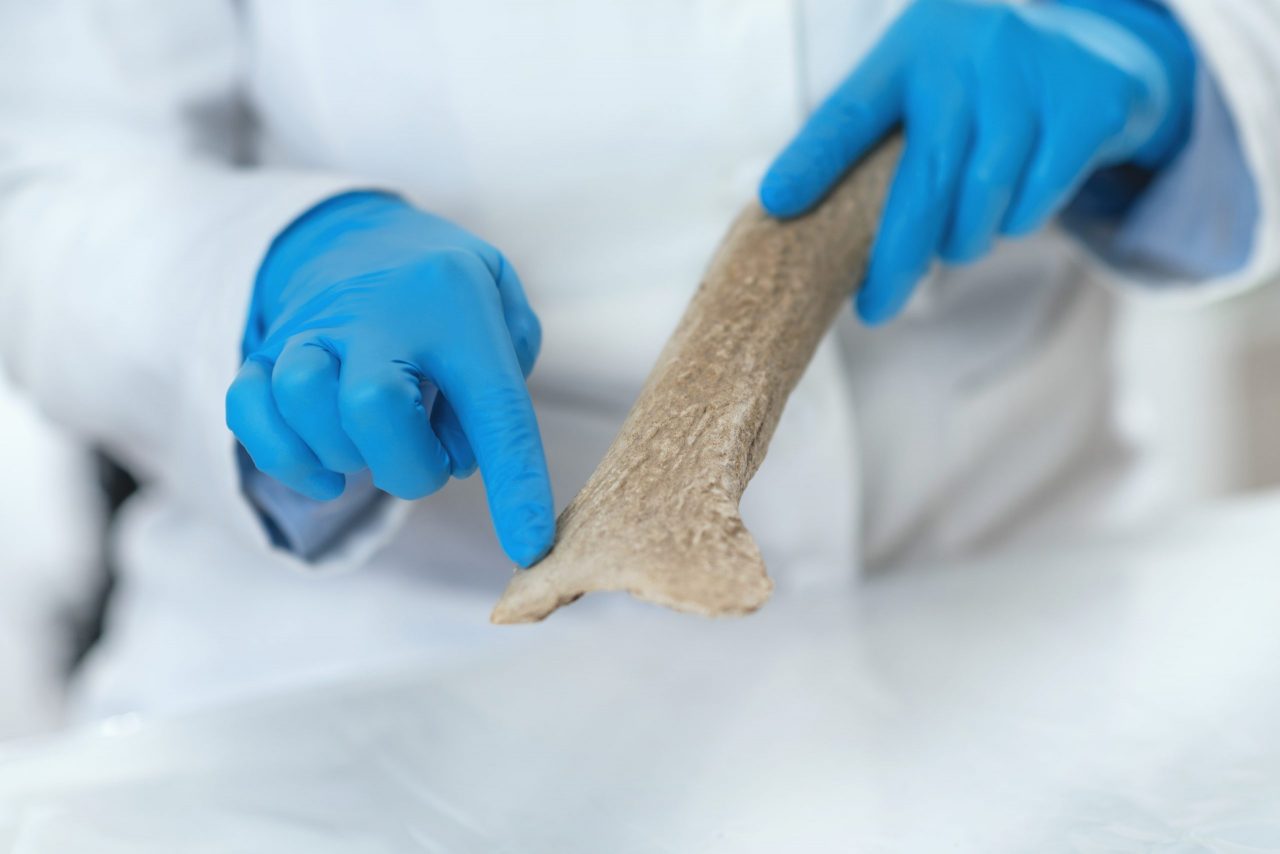
The microtome is a mechanical instrument used to cut biological samples into very thin segments for microscopic examination. Biological samples can be embedded and presented in many ways for sectioning. But more often, these samples are embedded in paraffin wax blocks and the most common way to section these samples is by microtome.
Types of laboratory ovens
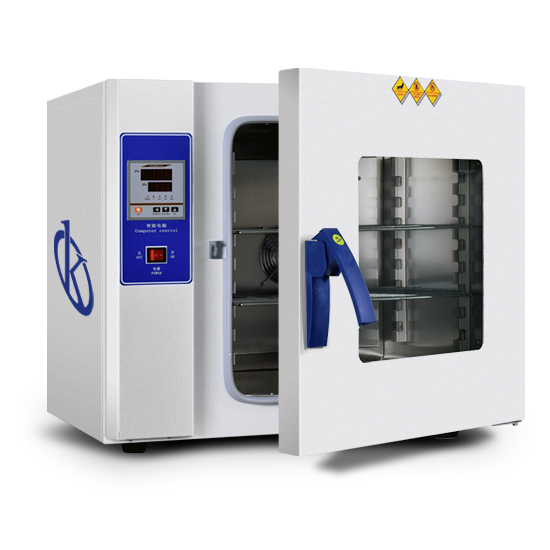
The laboratory ovens or drying oven is equipment used to dry and sterilize glass and metal containers in a laboratory. It is also known as a drying oven. They work between room temperature and 350 ° C. In general, these equipments are made of stainless steel, both inside and outside, this provides them with high durability. In addition, they have a microprocessor that makes sure to maintain a uniform temperature and allows it to be set digitally.
Refrigerator Role: COVID-19 Vaccine Storage
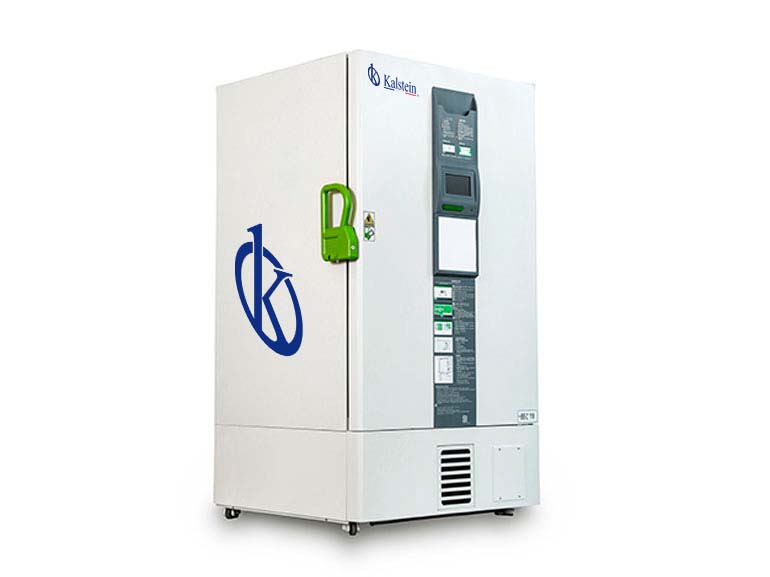
A medical product of great importance and especially sensitive to the health emergency caused by COVID-19, are vaccines. Correct cooling makes a difference and can save lives. But why is where and how vaccines are stored so important? In this article we will define what the cold chain is and what are the fundamental differences between a scientific refrigerator and a domestic refrigerator.
How does a clinical chemistry analyzer work?
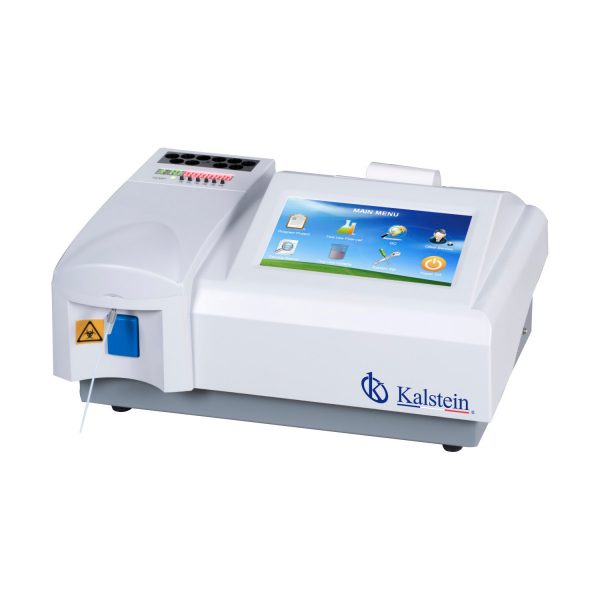
Clinical chemistry analyzers are instruments that test clinical samples such as blood serum, plasma, urine, and cerebrospinal fluid to detect the presence of disease- or drug-related analytes. Clinical chemistry analyzers are used in a variety of settings, including small clinics, research labs, and high-throughput hospital labs.
What is a laboratory ovens for?
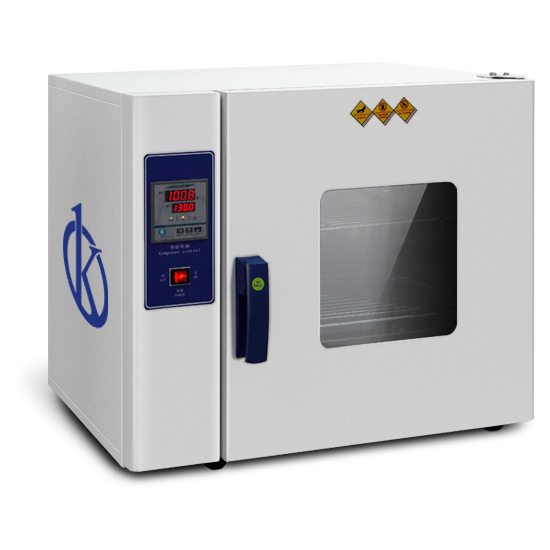
The laboratory oven is an instrument used to dry and sterilize glass containers, which come from a laboratory wash. In other words, this cavity chamber, which will have a higher temperature than the ambient temperature, will remove all the moisture from the metal or glass container.
What is a hematocrit centrifuge?
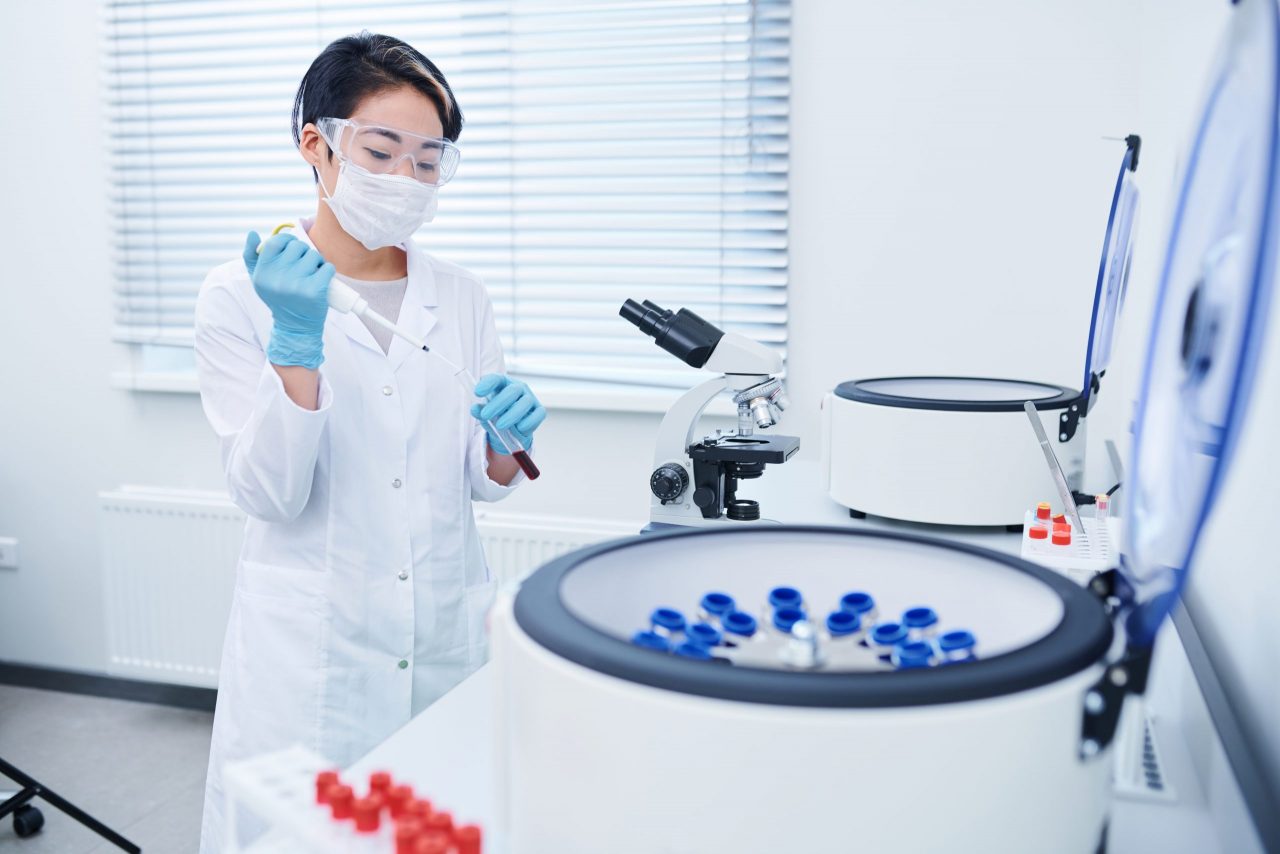
A centrifuge for hematocrit is specialized equipment that allows to obtain the compact ratio of the volume of erythrocytes in the blood. In less than seven minutes, this machine allows the erythrocytes to reach their maximum compaction density, thus knowing their hematocrit level and also having cell-free plasma used later in other analyzes.
What is a centrifuge?
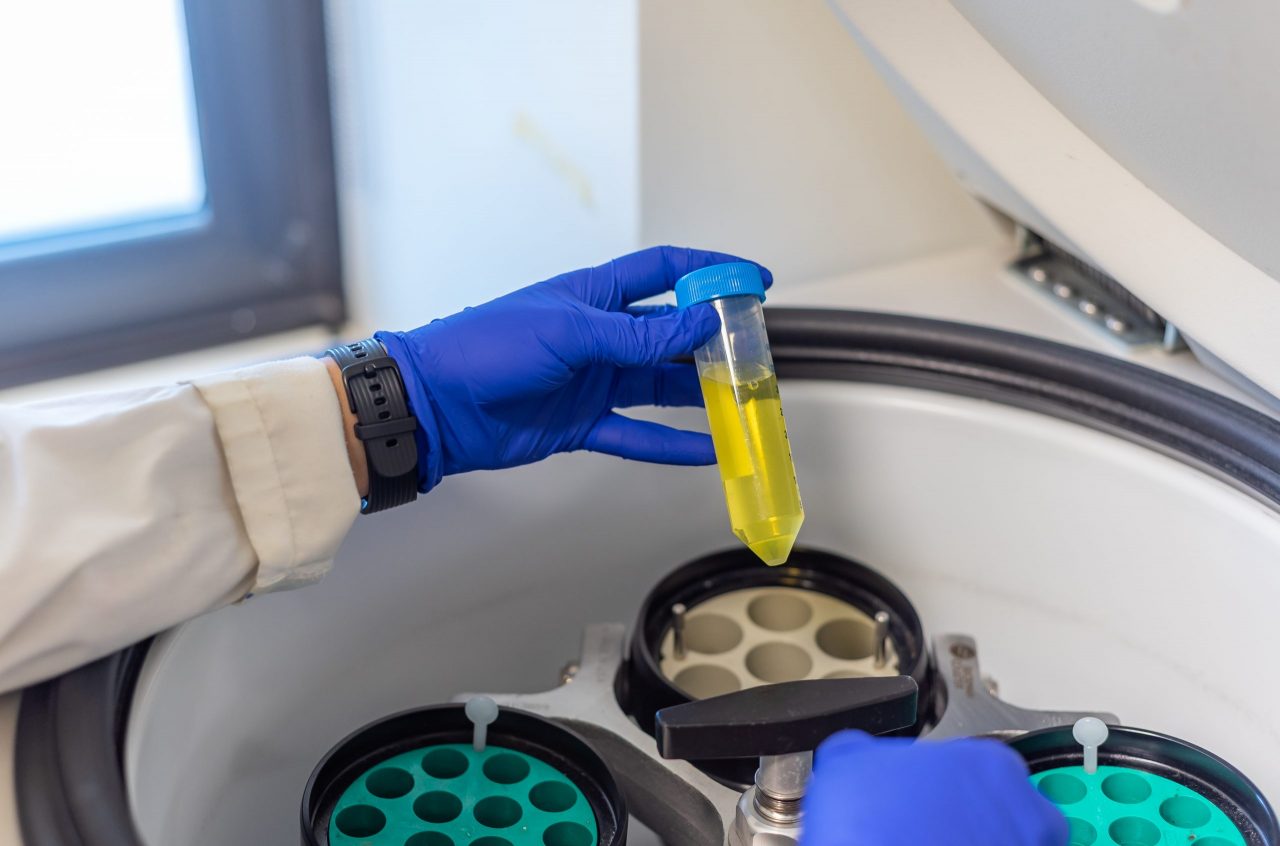
Centrifugation is a mechanism for separating mixtures (in particular, those made up of solids and liquids of different densities) through their exposure to a rotating force of a certain intensity.