
How to use an analytical balance correctly?
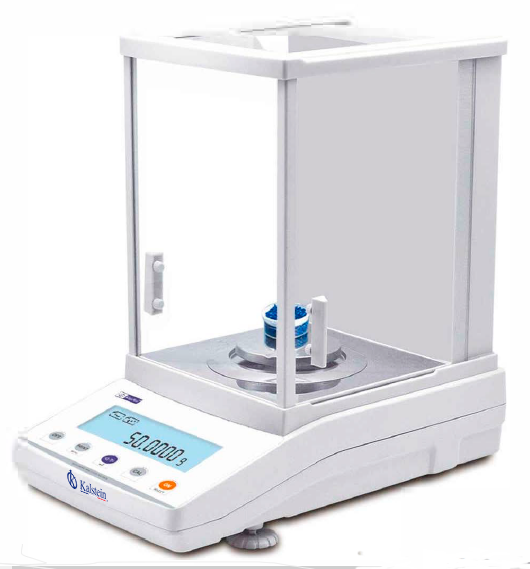
The balance is a piece of equipment that measures the mass of a specific body, providing accurate data about its weight. Among the many existing models, the analytical balance that has a high power of rigor stands out, since with it great precision can be obtained.
Types of balances in the laboratory
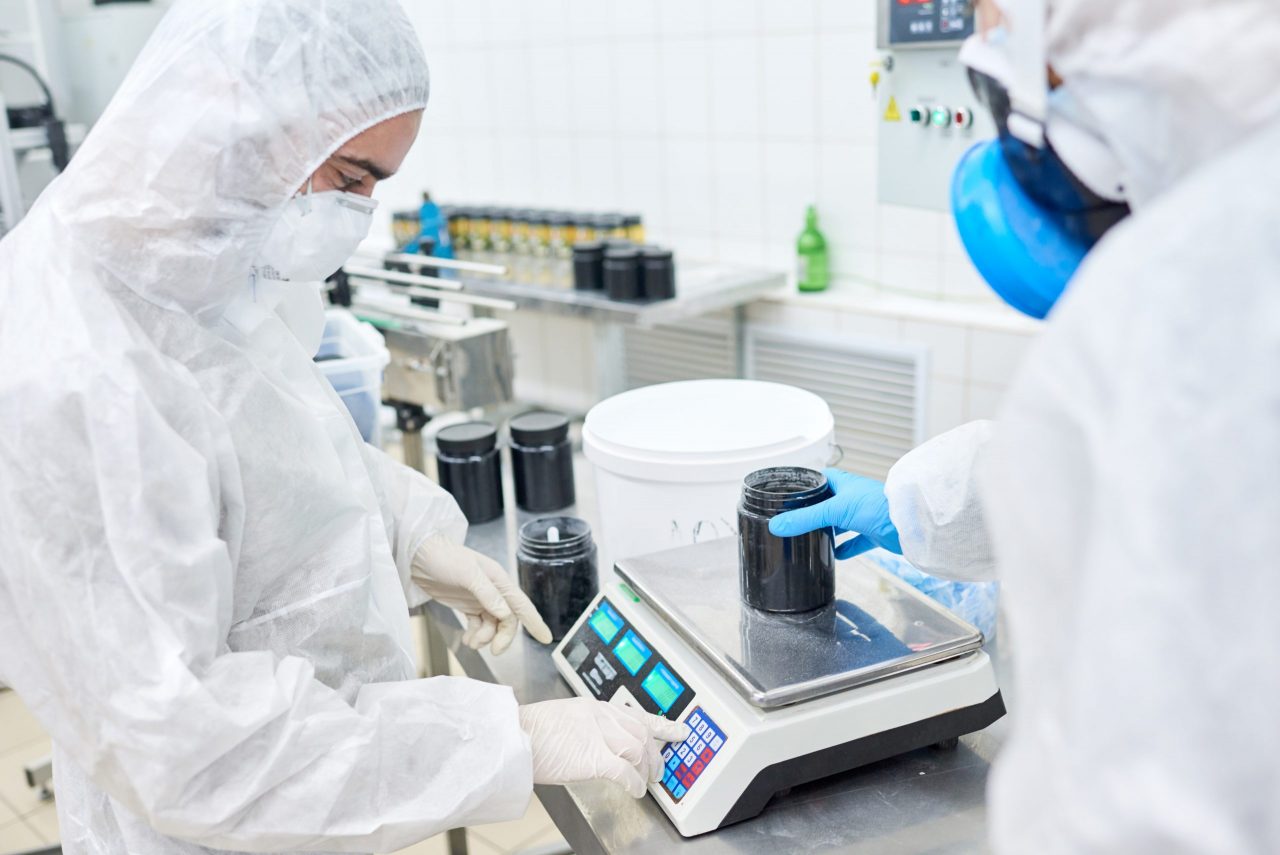
The most common types of laboratory balances and scales are ultramicrobalances, microbalances, semi-microbalances, analytical balances, and precision balances.
What is an ultra water purifier?
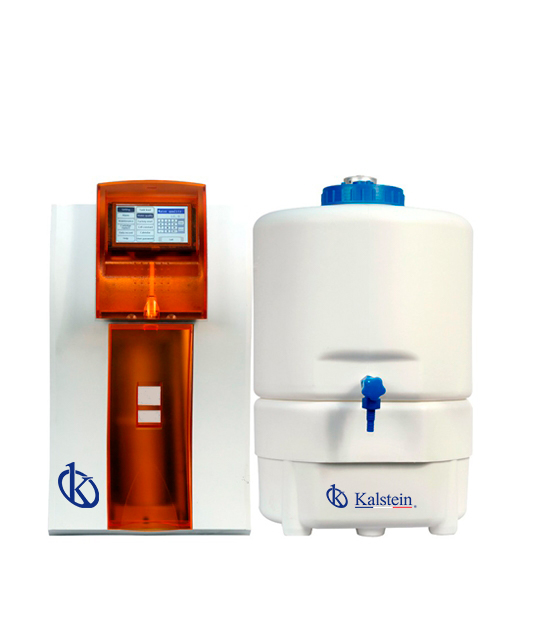
It is a laboratory water ultra-purification equipment. This device is structured by cutting-edge technologies for water purification, in accordance with internationally required specifications. This equipment is intended to obtain water of the highest quality for use in laboratories, food industries, pharmaceuticals and in any other place where it is necessary to use pure treated water.
How does a planochromatic microscope work?
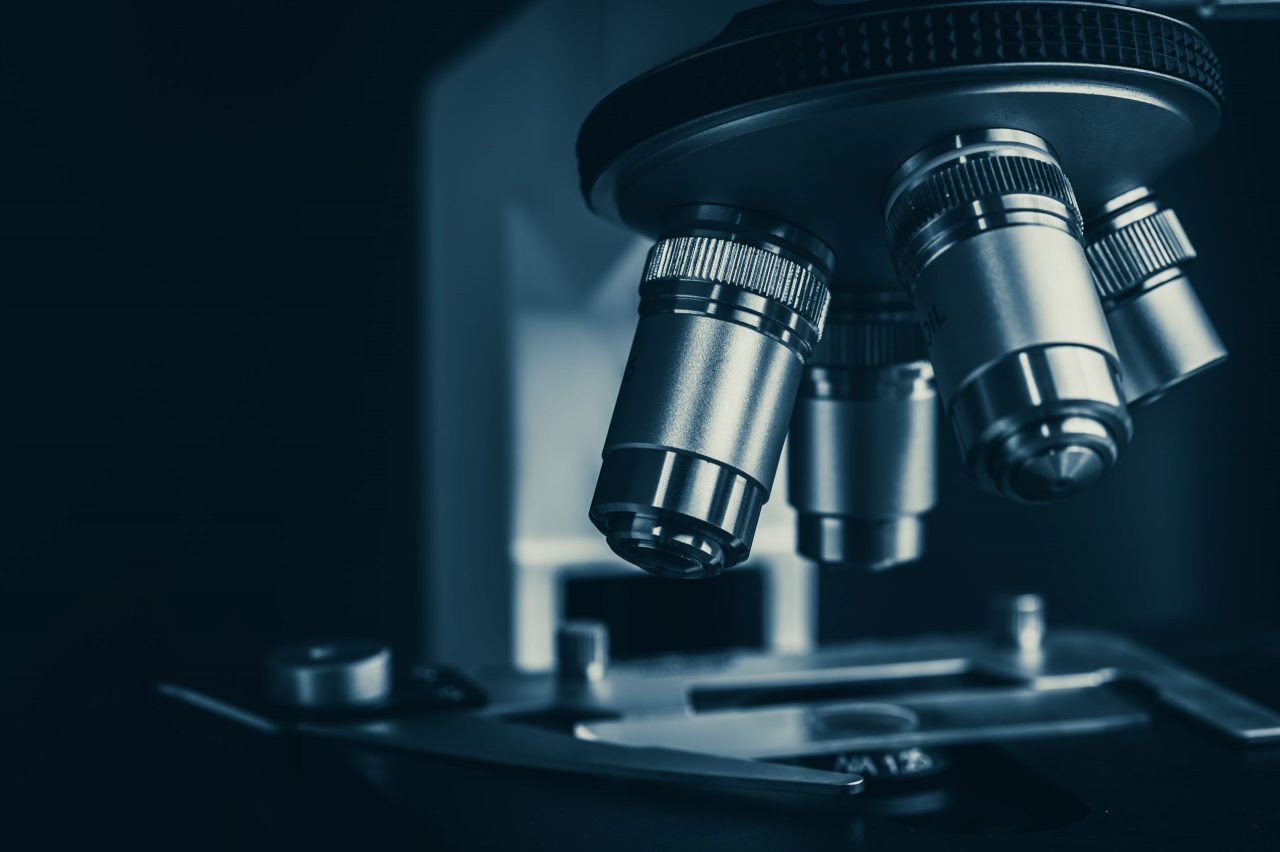
The objective of a microscope is the most important and complex element of the light microscope. It is important because the objective is where most of the magnification provided by the microscope occurs. Its complexity lies in the fact that to fulfill its function you need different lenses of high quality and precision.
What is a microtome for?
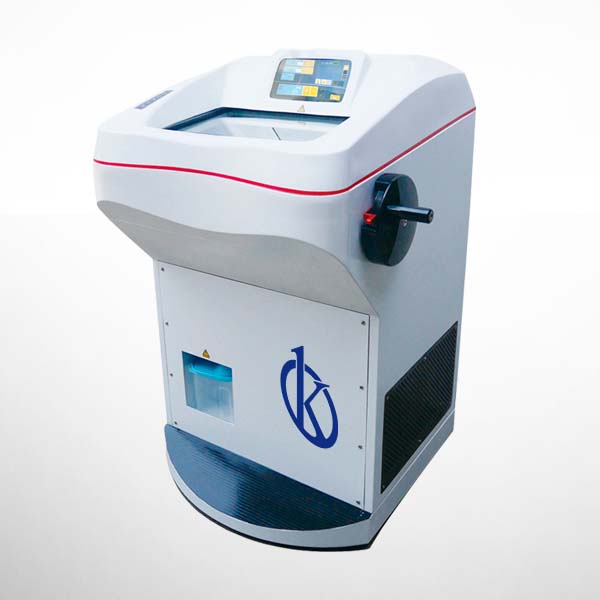
Microtomy is the discipline that deals with obtaining fine serial sections from tissues included in paraffin blocks for their subsequent study under optical and / or electronic microscopy, which makes it one of the basic pillars of procedural techniques of Pathological anatomy.
What is a water purifier?
A water purifier is an equipment or device that removes (eliminates) the impurities present in the water, consider that, for the most part, this dirt is invisible to the human eye. In other words, we can say that water purifiers aim to eliminate impurities and organic and inorganic elements such as germs, bacteria and metals.
What Biosecurity cabinet choose to work with COVID-19?

The biological safety cabinet represents a primary containment barrier that allows working safely with biological agents such as the virus that causes COVID-19. It is equipment designed to prevent the escape of bioaerosols from the work area and, therefore, protects people and the environment from possible exposure to these agents. There are three types, known as: class I, class II and class III.
What is a fluorescence microscope?
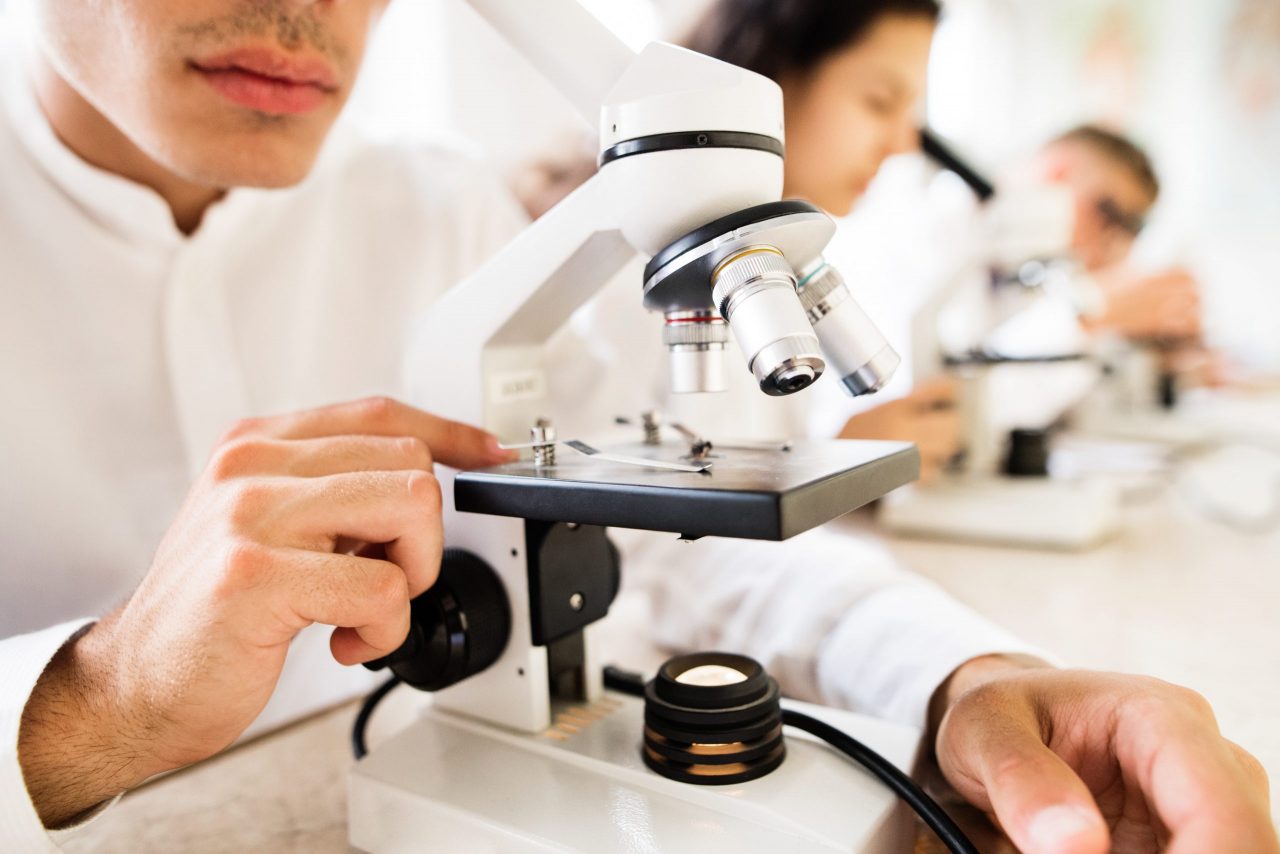
Fluorescence microscopy is a special form of light microscopy. It uses the ability of fluorochromes to emit light after being excited with light of a certain wavelength. Proteins of interest can be labeled with such fluorochromes by antibody staining or fluorescent protein labeling. It allows to determine the distribution of a single molecule, its quantity and its location within a cell. Furthermore, colocalization and interaction studies can be carried out, observing ionic concentrations using dyes that bind reversibly, and cellular processes such as endocytosis and exocytosis can be observed.
Types of laboratory shakers
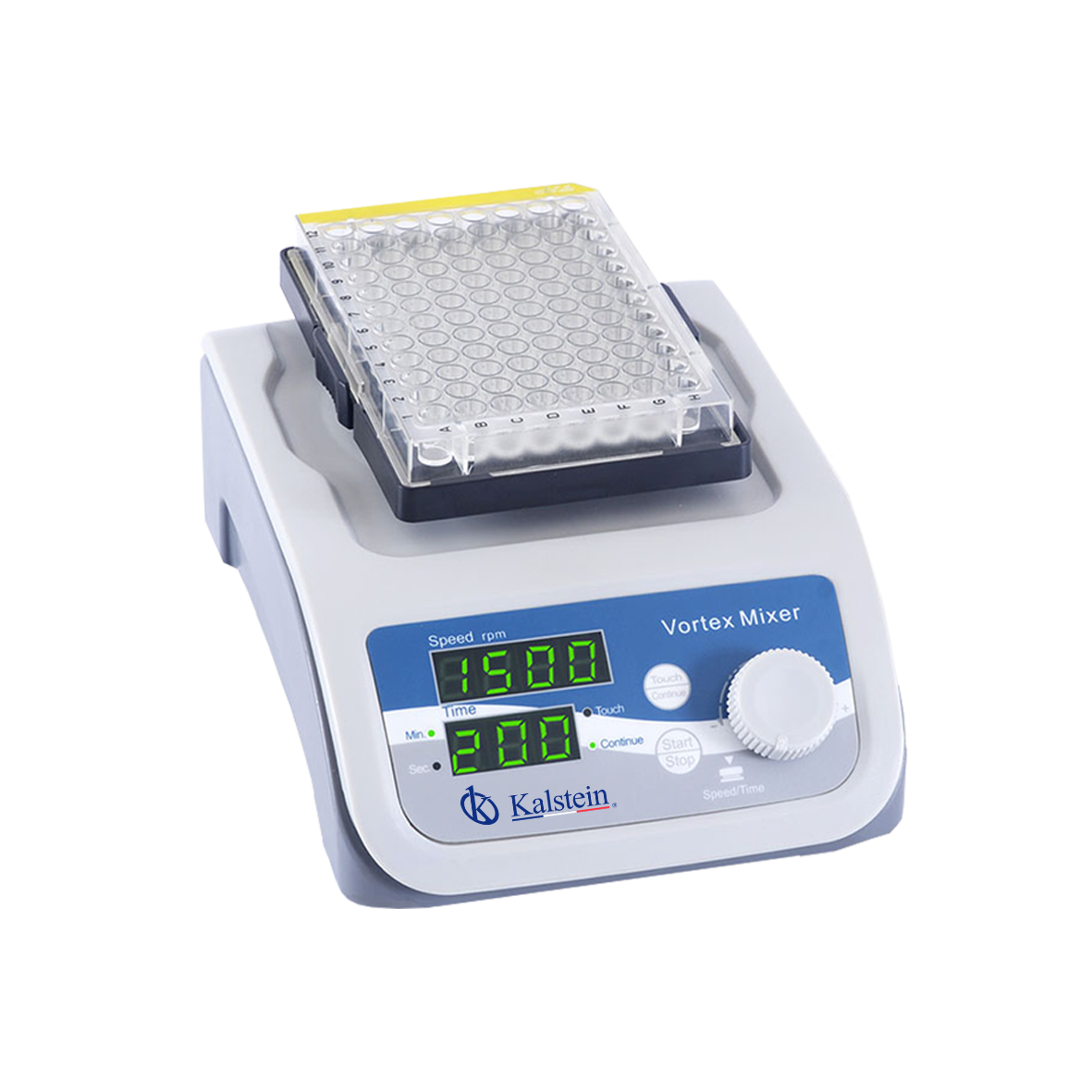
Laboratory shakers, also known as mixers, are laboratory products used in the chemistry and biology sectors to mix liquids and prepare solutions and suspensions. These equipments create a movement between liquids or between liquids and solids in order to achieve processes of mixing, suspension, dispersion, homogenization, heat transfer, etc. At present, stirring systems (agitators) are used in all laboratories, be they chemistry, biology, among others.
What is a laboratory magnetic stirrer?
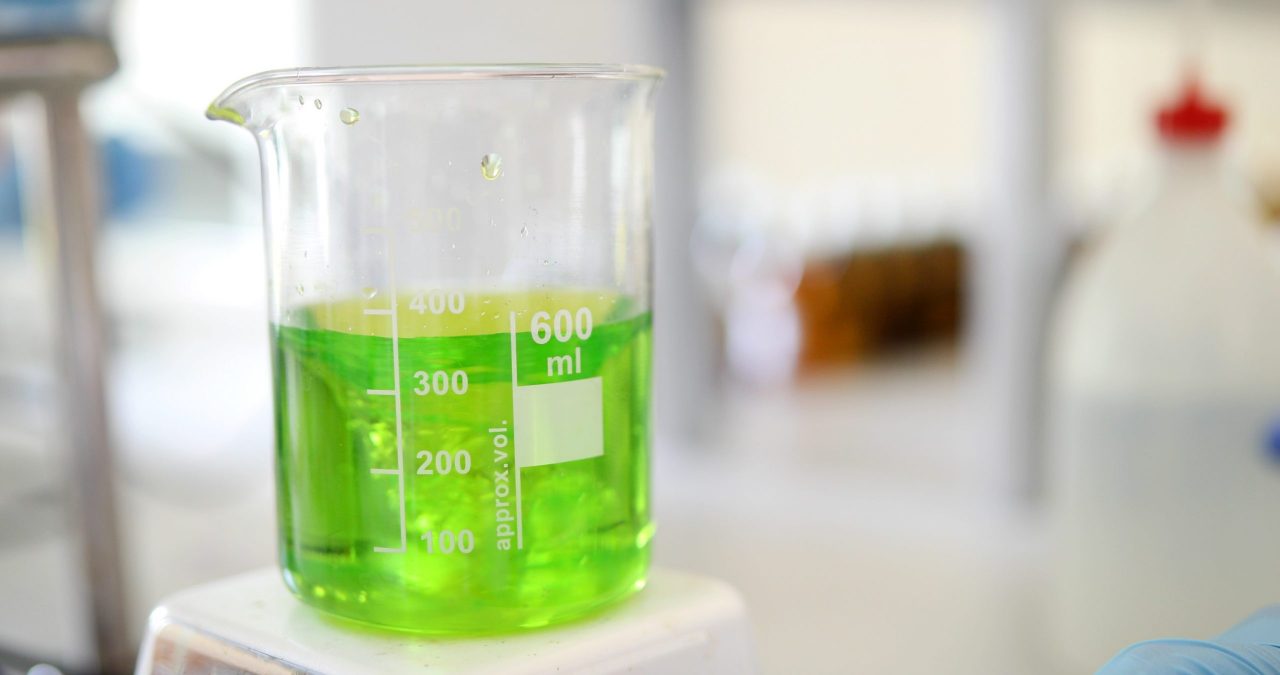
It is an electronic instrument that uses a magnetic field to mix one or more solutes with a solvent in an automated way. This equipment has the ability to heat chemical solutions, it also minimizes the risk of a solution being altered, since generally when the solutions are stirred manually they tend to become contaminated.