
Controlled Parameters in a Climate Chamber?
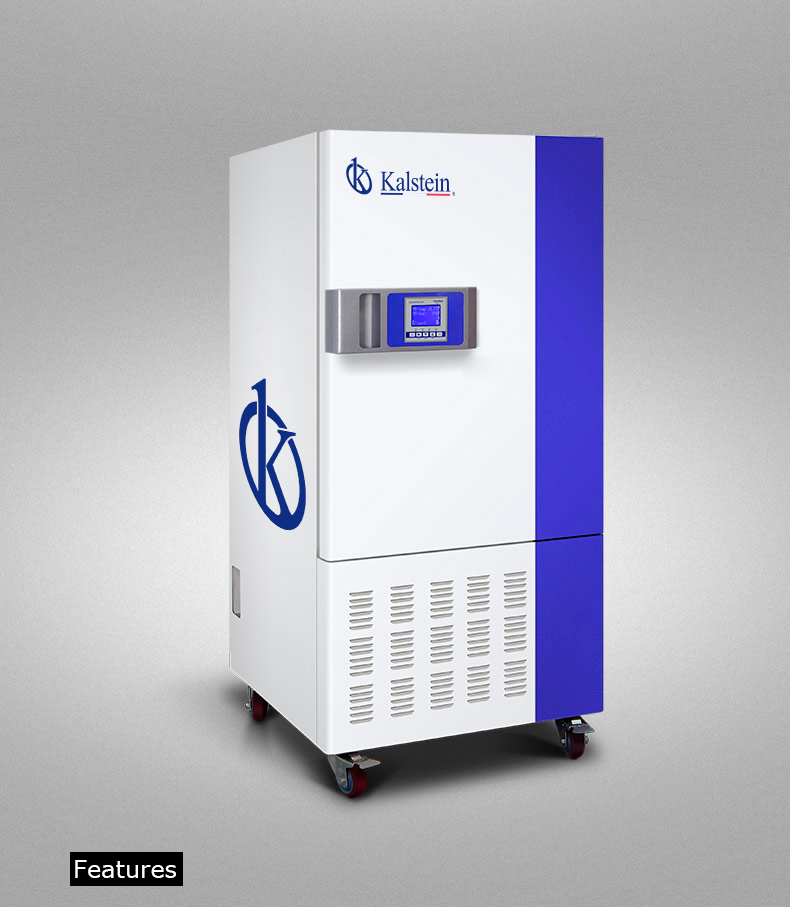
The climatic chamber is a fundamental laboratory instrument to perform a wide range of climatic tests on materials. However, it is very important to discover the descriptions of the climatic chambers, because depending on the operation and possibilities of each climatic chamber, some tests may or may not be practicable.
How Many Types Of Weather Cameras Are There?
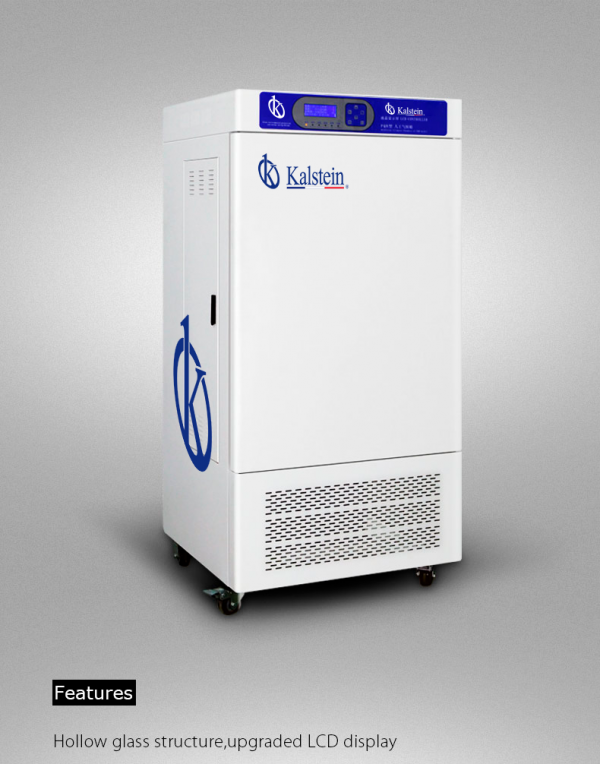
The climatic chamber is a unit capable of building the will of stable situations of temperature and relative humidity, to provide controlled climatic states, in order to have a reliable measurement pattern in the measuring instrument. It is made by an airtight structure, able to provide pressures between the inside and the outside, its main components being an access gate, means to humidify and condition the air inside the chamber, sensors and temperature controllers.
What is a Stability Study Climate Chamber?

The stability chamber is an equipment that preserves samples, through studies involving climatic factors, as part of a productive or regulatory process. These studies are combined with variables such as lighting, temperature and humidity to define the conditions of stability and uniformity.
Using the Climate Chamber for Electrical Components
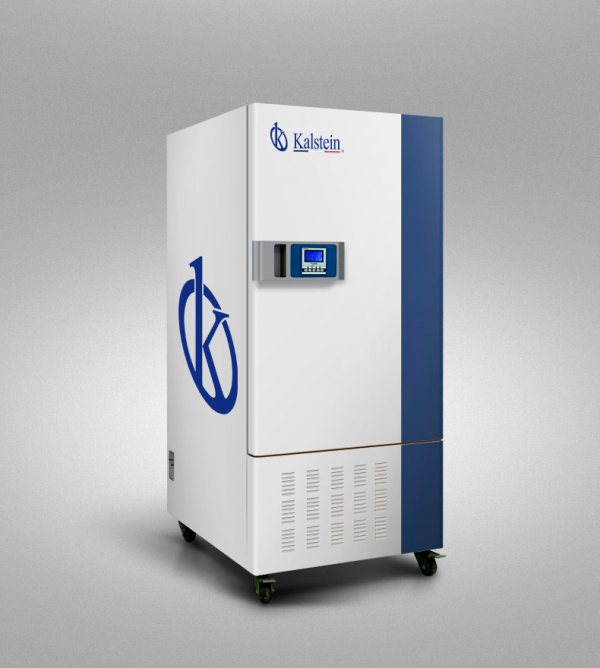
A climate chamber is a tool that can be used to test the performance of electrical components under various environmental conditions. By subjecting them to extreme temperatures, humidity and other conditions, the climate chamber can help identify which materials and designs are best suited for specific applications. This information can be used to improve the efficiency of production processes and reduce emissions.
What is a Stability Test Chamber?
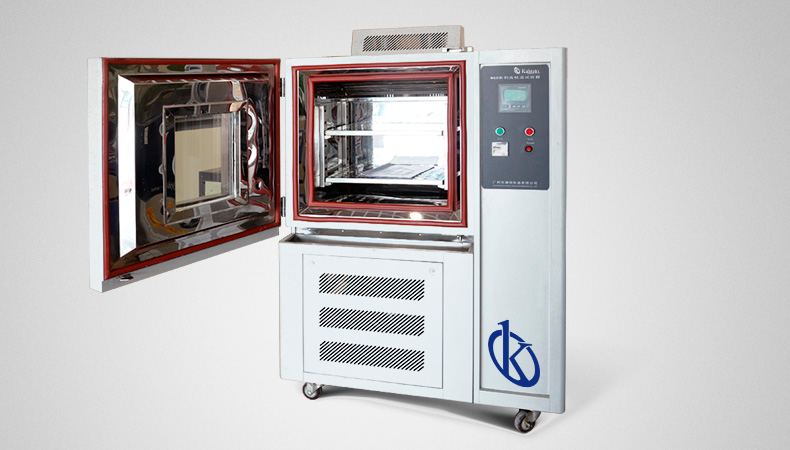
The stability test chambers are used in the pharmaceutical, food and cosmetics sector, able to store the products, such as biological samples, reagents, sera, vaccines, insulin, some antibiotics, eye drops and eye ointments, to be stored at 2°C to 8°C, and not lose their properties, through temperature conservation, with advanced technology, as part of a production or regulatory process.
What is a pharmaceutical stability chamber?
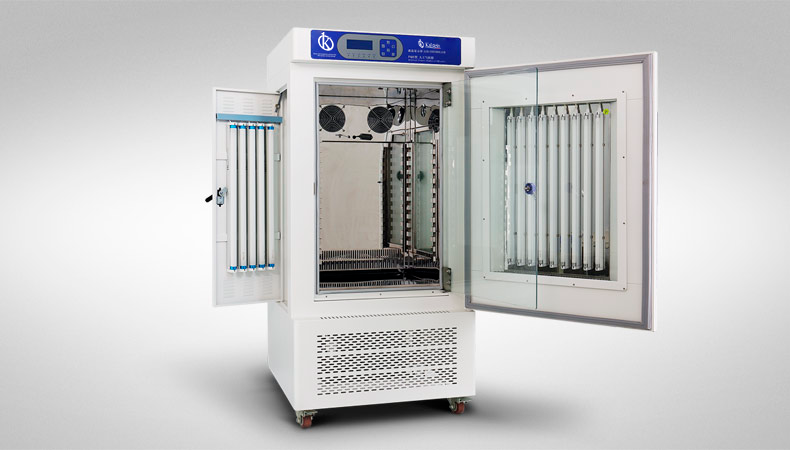
A pharmaceutical stability chamber is a laboratory instrument that enables to carry out the so-called stability tests of drugs, these devices allow to control, monitor and document parameters such as temperature, humidity, differential pressure, illumination, gas levels and other environmental conditions.
Importance of Climate Chambers for the Nuclear Sector
One of the ways in which man has managed to protect himself from the dangers of the climate is through the use of climate chambers. A climate chamber is an environmental control chamber designed to simulate and replicate extreme weather conditions. They are used in a large number of industries, such as automotive, aviation, military, maritime, medical and, of course, nuclear.
How does the Electric Wheelchair work?
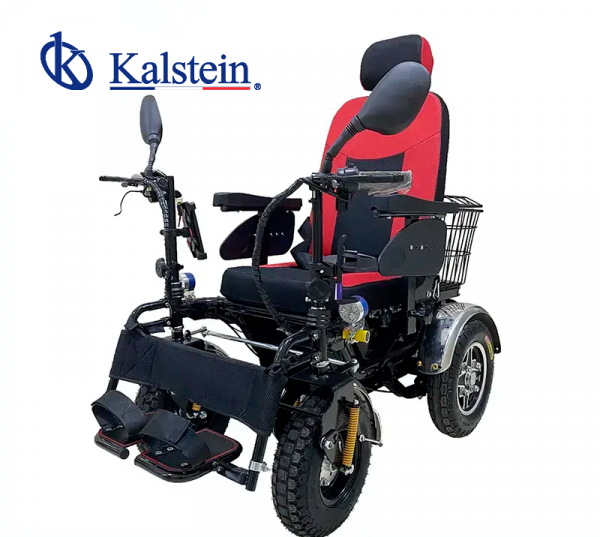
The wheelchair often makes the difference between being a passive recipient or an active contributor. With the use of a wheelchair, a person can earn a living and help the family income, but without a wheelchair, that person can be left behind and be a burden to his family and the country in general. Similarly, a wheelchair that is not durable will be made more excessive by the need for frequent repairs, absence of work and final replacement of the chair.
What type of wheelchair is used for sports?
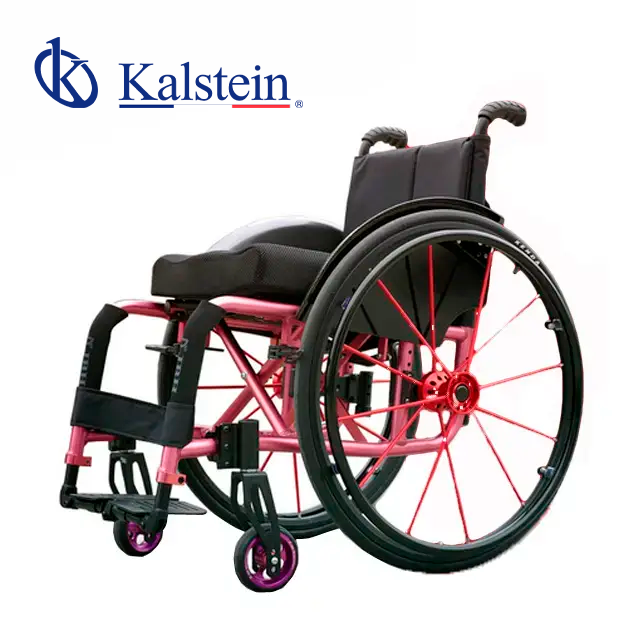
Practicing sports does not have to be a limitation for people with disabilities, since, as in the case of wheelchairs for the daily, there are also special wheelchairs for users who want to do some sport, either professionally or as a hobby. It is very important to choose a wheelchair suitable for the sport that will be performed, since each comes with a special design that fits each discipline.
What are the advantages of the bariatric wheelchair?
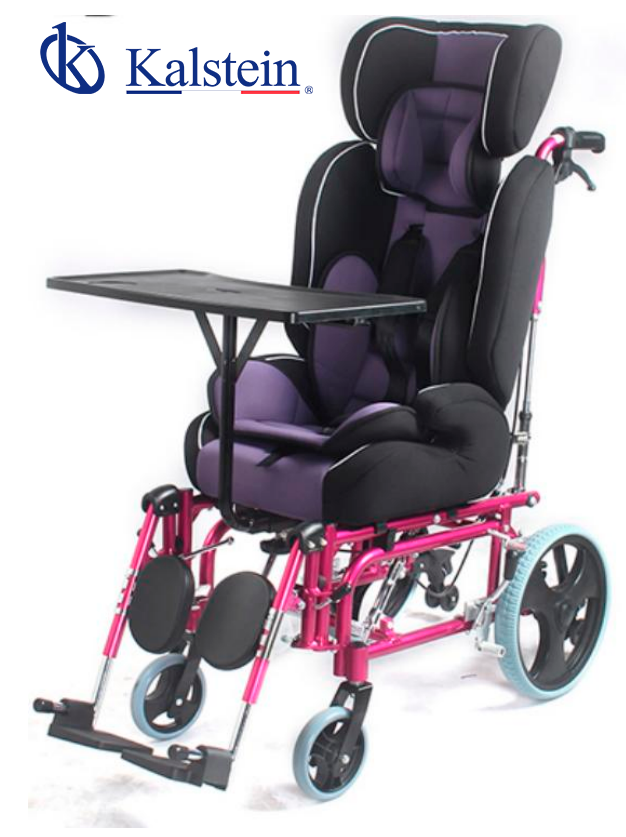
When a person’s mobility begins to depend on the use of a wheelchair, choosing the right one takes time and evaluating several characteristics, for example the material it is made of, whether it is to be transported, whether it is for sports or daily use, or whether it is for an overweight person. These are all factors to be taken into account, as not all wheelchairs have the same characteristics.