
What are the measures of an operating table?
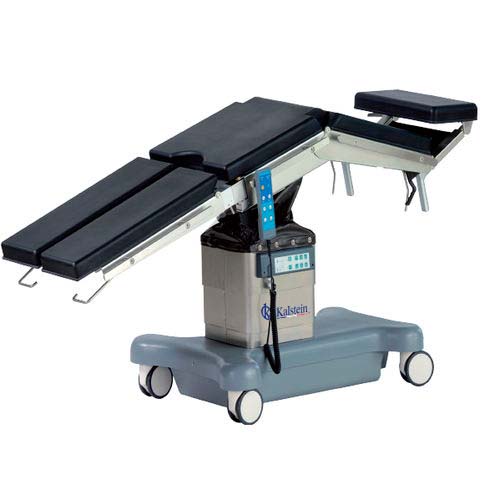
For a successful surgical intervention, it is developed in the best way with respect to the correct realization of different positions on the operating table. Each of them needs requirements, both material and human. It is important to provide adequate accommodation for the patient and above all, in order to prevent possible complications of a bad technique in this regard would lead. The surgical team must ensure this objective.
Why is a water bath essential in a laboratory?
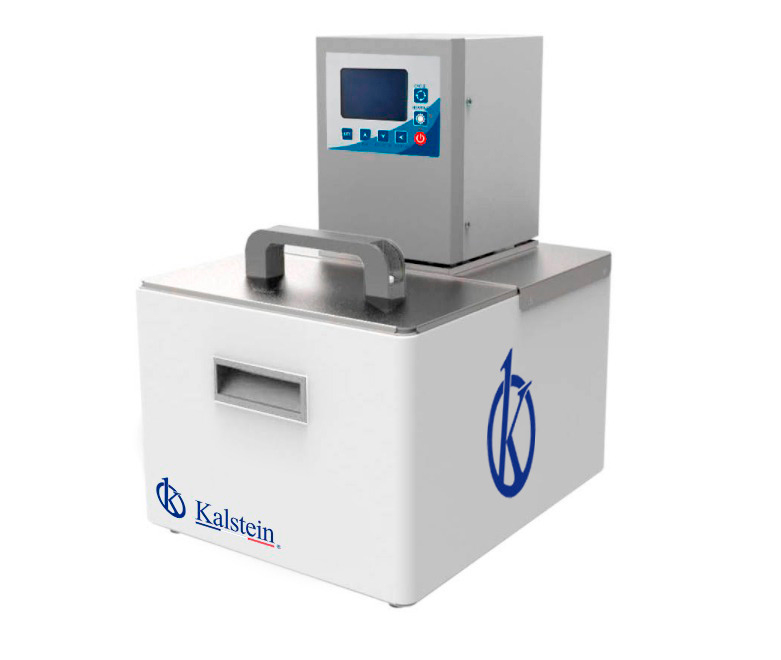
This equipment has varied and indispensable applications in the laboratories, thanks to its hot water container, where samples are incubated in water at a continuous temperature over a long period of time, among other useful applications is heating reagents, fusion of substrates or incubation of cell cultures; because of its high temperatures it allows certain chemical reactions to occur, and heat flammable chemicals instead of an open flame to prevent ignition.
Differences between a manual surgical table and an automatic surgical table?
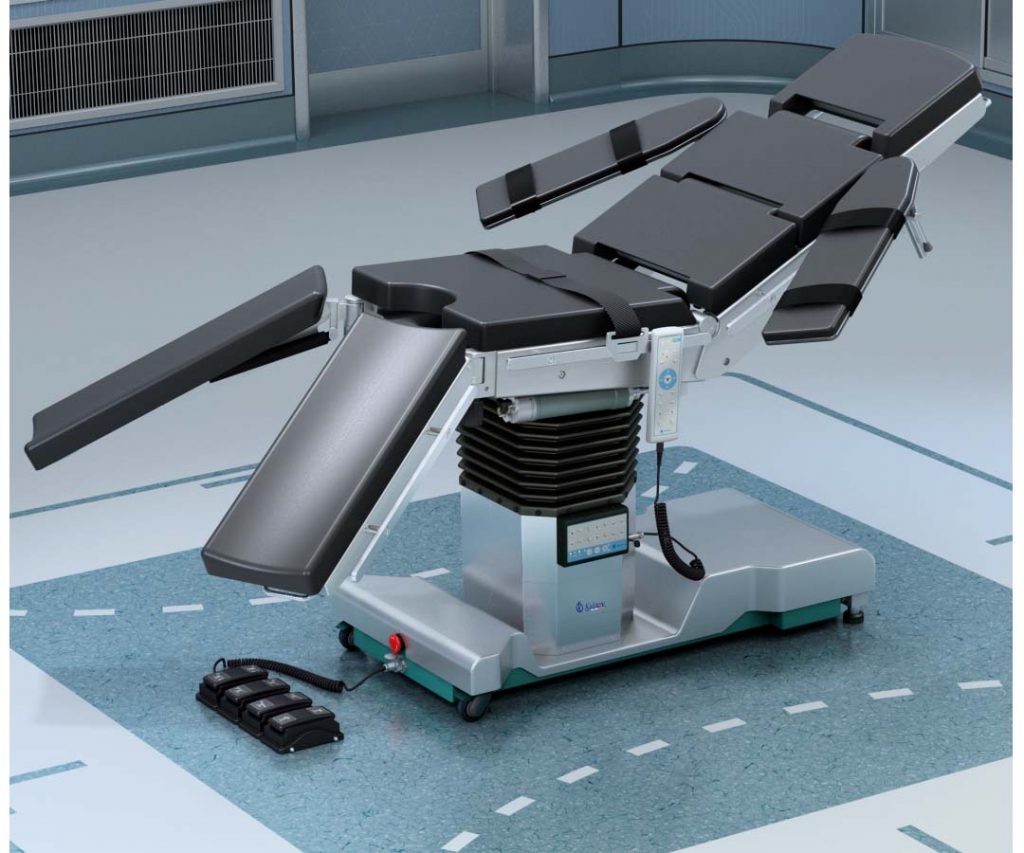
In any medical procedure, patient safety is paramount, and health care failures affect 1 in 10 patients, which is why it is important to manage and fully understand the use of surgical tables, created to be applied in hospitals and access the passage of equipment without interfering with the functions of the doctors who handle it, within the operating field. It is a movement instrument, which functions as a fundamental tool for the surgeon. Its design allows you to perform the medical functions related to mediation without the size or weight affecting the procedure.
Spectrophotometers: care and maintenance
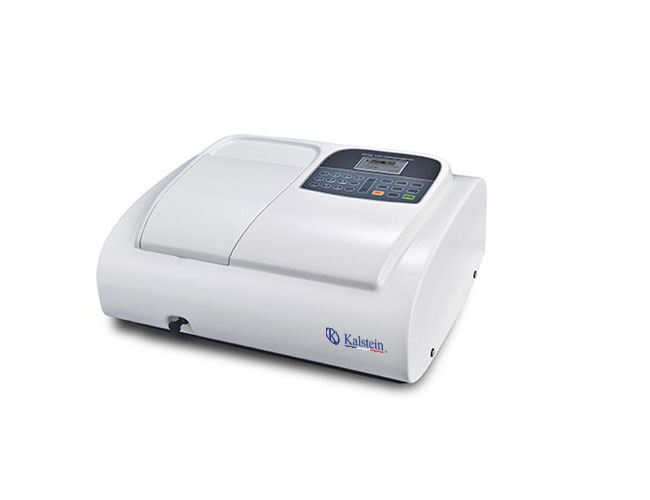
A spectrophotometer is an instrument used in laboratories to measure the absorbance of a sample, as a function of the wavelength of an electromagnetic radiation, and thus to know the concentration of the substances in a solution. This team consists of 4 main parts: a source, a monochromator, a beam splitter, a sample area, and a detector. It also has optical elements such as lenses or mirrors, which transmit light throughout the entire equipment.
Why are security storage cabinets important in a laboratory?
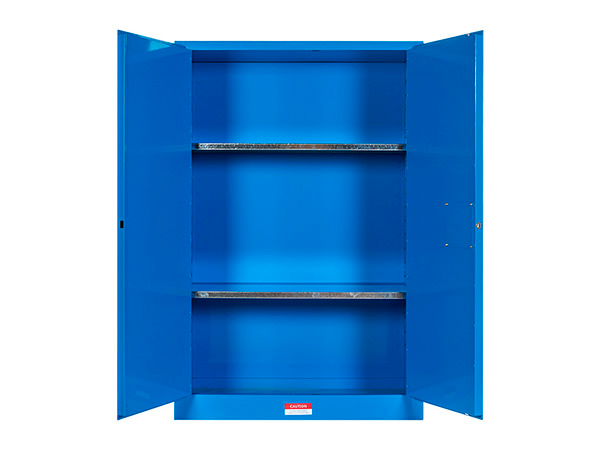
In laboratories, reagents and substances are found that must be stored correctly, to avoid any type of accidents and protect the lives of workers. Therefore, the use of security storage cabinets is part of the ideal furniture within the space.
Risks in the use of anesthesia
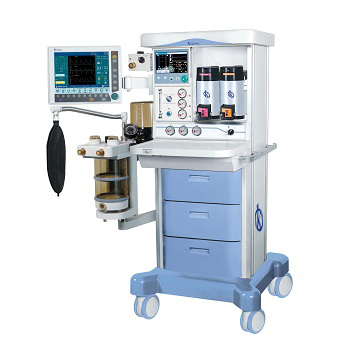
Anesthesia is used to avoid pain in patients during surgery and other procedures. They are intended for minor interventions, such as repairing a tooth, during the process of delivery or colonoscopies. In other cases, you may need an anesthesiologist, a doctor who specializes in administering anesthesia.
What are the types of security storage cabinets that exist?
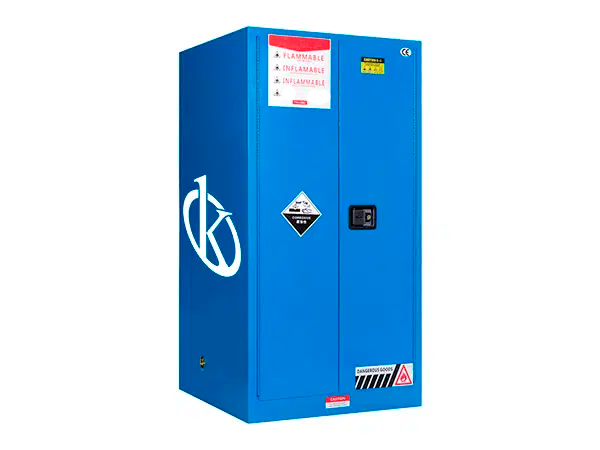
According to the spaces offered by the security storage cabinets, they provide an effective and accessible solution to store and safeguard chemicals. In addition, they provide protection to users, avoiding contact with the substances contained in them.
Tips to keep an anesthetic machine in good condition?
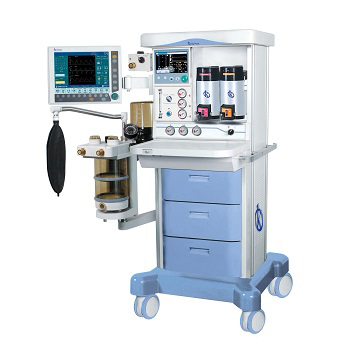
The anesthesia machines are teams responsible for providing comfort to the doctor and safety to the patient, who undergoes surgery and requires sedation. It should be noted that the authorized to operate the equipment is the anesthesiologist; and its function is to administer drugs through different pathways in the human body, to bring it to a state where surgery can be performed.
Ways to use a patient monitor
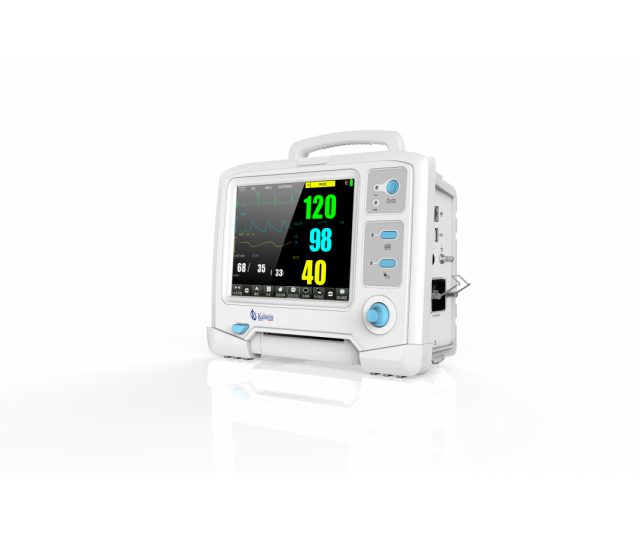
A patient monitor is an electronic device used in hospitals and clinics to monitor vital signs of patients who are in critical condition or who must undergo continuous medical surveillance, in case any alteration in the values of these occurs; among the most common vital signs assessed with this device are: heart rate (ECG), respiratory rate (RESP), non-invasive blood pressure (NIP), pulse (PR), oxygen saturation (SpO2), temperature (TEMP), CO2 and invasive blood pressure (PAI).
Monitoring protocol for patients in critical condition
Intensive or critical care units (ICUs) are spaces of a restricted access hospital or clinic intended to provide patients with severe prognosis or at high risk of complications with comprehensive intensive care 24 hours a day providing thorough and very strict surveillance, through continuous monitoring of their vital signs.