
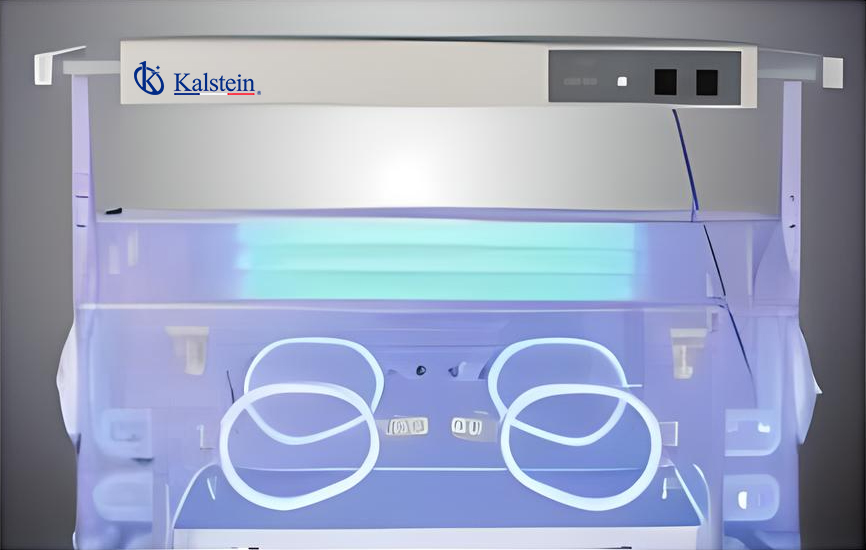
Infant Bilirubin Phototherapy Unit from Kalstein
In the delicate field of neonatal care, having reliable and efficient equipment is crucial. One of the standout pieces of technology available today for treating newborns is the Infant Bilirubin Phototherapy Unit. Offered by the renowned company Kalstein, these units play a pivotal role in managing infant jaundice, a condition that affects a significant number of newborns.
Kalstein, known for its commitment to innovation and quality, has developed a range of phototherapy units designed to meet the highest medical standards. These units are tailored to provide effective and safe treatment, thus ensuring that infants receive optimal care during the critical early stages of their development. Let’s delve into the unique aspects of these phototherapy units and see how they stand apart from other products in the market.
Features of the Infant Bilirubin Phototherapy Unit
The Kalstein Infant Bilirubin Phototherapy Unit is packed with state-of-the-art features that ensure effective treatment while prioritizing infant safety. One of its most notable features is the use of high-intensity LED lights that are effective in reducing bilirubin levels in infants. This technology allows for quicker treatment results compared to older fluorescent light models, which translates to shorter treatment durations and less stress for both infants and parents.
Moreover, these units are equipped with an adjustable light intensity feature, allowing healthcare providers to tailor the treatment based on the specific needs of the infant. The units also boast energy efficiency, which not only results in cost savings but also aligns with environmental sustainability goals. The design of the units ensures easy mobility within medical facilities, ensuring that critical treatment can be administered when and where it’s needed.
Different Types or Models of the Infant Bilirubin Phototherapy Unit
Kalstein offers a variety of models of Infant Bilirubin Phototherapy Units to cater to diverse needs and clinical settings. These models vary in size, capability, and price, providing options that can fit into a wide range of hospital budgets and space allocations. Whether a facility requires a compact unit for limited space or a robust model for a larger facility, there is a Kalstein model to match those needs.
These models all maintain the core features that make them effective, such as high-intensity LED lights and adjustable settings, but they may include additional features like built-in timers or the ability to operate in varied power supply conditions. The diversity in the range ensures that healthcare providers can choose a unit that best aligns with their operational requirements.
Why Does the Infant Bilirubin Phototherapy Unit Have This Price?
The pricing of the Infant Bilirubin Phototherapy Unit from Kalstein is a reflection of quality, innovation, and the advanced features encompassed within each device. These units represent a significant investment into reliable and comprehensive neonatal care. Given that they incorporate cutting-edge LED technology, adjustable intensity settings, and superior design for safety and efficiency, the price reflects the value they bring.
Furthermore, long-term cost-effectiveness is a decisive factor. The durability and low energy consumption of LED technology result in lower operational costs over time, providing a noteworthy return on investment for medical facilities. Investing in such technology ensures that hospitals can offer top-tier care, which is increasingly important in competitive healthcare environments.
Comparison with Similar Products
When comparing Kalstein’s Infant Bilirubin Phototherapy Units with those of competitors like GE Healthcare and Dräger, several distinctions emerge. GE Healthcare offers models that emphasize standard functionality with reliable outcomes but may lack some of the advanced features present in Kalstein’s units, such as enhanced energy efficiency and customizable settings.
On the other hand, Dräger focuses on integrating phototherapy with other medical equipment, which while beneficial can also come at a higher cost and complexity of integration. Kalstein units provide a balanced solution with advanced technology and user-friendliness that many facilities find preferable for their straightforward, standalone operation.
Pros and Cons of the Infant Bilirubin Phototherapy Unit
| Pros | Cons |
|---|---|
| High-intensity LED lights | Initial cost may be high for some budgets |
| Adjustable light intensity | Technical knowledge required for optimal use |
| Energy efficient | Limited color options for aesthetics |
| Easy mobility | May require specialized maintenance |
| Environmentally friendly | Availability might be a concern in smaller markets |
| Durable and long-lasting | Spare parts can be expensive |
| User-friendly interface | |
| Quick and effective treatment |
Benefits of Using These Infant Bilirubin Phototherapy Units
These phototherapy units greatly enhance the standard of neonatal care by providing a consistent and reliable method for reducing bilirubin levels in infants, effectively treating jaundice. Their quick and efficient operation means that infants spend less time under the lights, allowing for a more comfortable experience and quick recovery.
Moreover, the energy-efficient LED technology not only supports environmental conservation efforts but also significantly reduces operational costs. This financial efficiency is especially beneficial for medical facilities looking to optimize their budgets without compromising the quality of care.
Other Advantages of the Infant Bilirubin Phototherapy Unit
One of the significant advantages of Kalstein’s Infant Bilirubin Phototherapy Units is their compact and flexible design, which is instrumental in settings where space is at a premium. Their lightweight and portable build ensure that they can be easily moved to different locations within a facility, thereby maximizing their utility.
Additionally, the multi-functionality of these units means that they can be adapted to different treatment scenarios. With adjustable settings, healthcare providers can cater to various patient needs, ensuring that each infant receives personalized and effective care.
User Testimonials about the Infant Bilirubin Phototherapy Unit
Healthcare providers who have used Kalstein’s Infant Bilirubin Phototherapy Units have consistently praised their effectiveness and ease of use. One user noted, “The LED technology is truly remarkable. It not only shortens treatment time but is also incredibly safe for the newborns.” Another mentioned the intuitive design, stating, “The user interface is straightforward, making the unit easy to operate even for new staff members.”
Overall, the reception from the medical community indicates a high level of satisfaction with the unit’s performance, dependability, and contribution to improved patient outcomes.
Frequently Asked Questions
How quickly can the phototherapy unit reduce bilirubin levels?
The high-intensity LED lights in our units are designed to work efficiently, typically reducing bilirubin levels within 24-48 hours.
Is the unit easy to move and adjust within the hospital?
Yes, the design of the unit allows for easy mobility and adjustment, making it convenient to use in various locations within a healthcare facility.
What are the energy consumption levels of these units?
Thanks to LED technology, the energy consumption is minimal, promoting both cost efficiency and environmental sustainability.
Are there any potential side effects for infants using this unit?
The unit is engineered to provide safe treatment with minimal risk, making it a trusted choice for infant care.
Can the intensity of the lights be adjusted?
Yes, the units come with adjustable light intensity settings to provide tailored treatment options for each patient.
What is the warranty period for the unit?
The phototherapy units come with a robust warranty that covers manufacturing defects and ensures peace of mind for healthcare facilities.
Final Recommendations on Infant Bilirubin Phototherapy Units
In conclusion, Kalstein’s Infant Bilirubin Phototherapy Units represent a robust and effective solution for managing neonatal jaundice. With their advanced features, energy efficiency, and user-friendly design, they stand out as a top choice for healthcare professionals looking to provide the best care possible. If you’re looking to invest in top-tier phototherapy equipment that balances innovation with reliability, Kalstein’s units should be at the top of your list. For more detailed information and to explore the various models available, visit https://kalstein.pl/category-product/medical-line/infant-bilirubin-phototherapy-unit/.