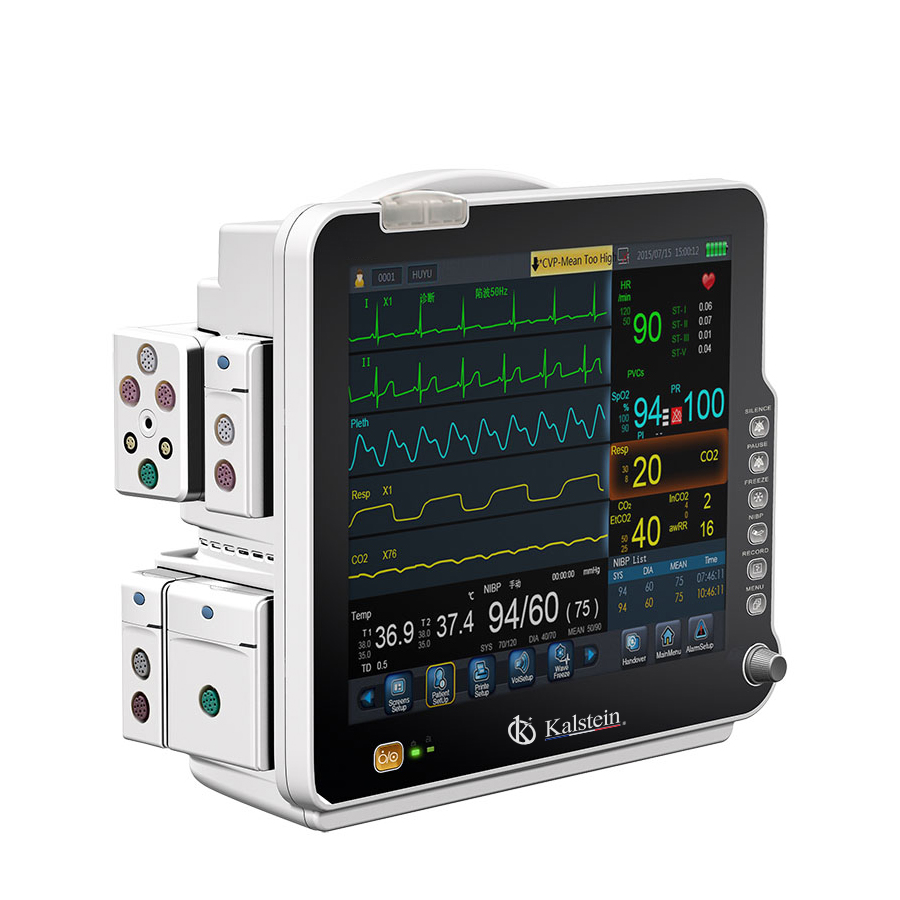
Zrozumienie zasady działania i podstaw naukowych monitora pacjenta YR02177
Monitor pacjenta YR02177 to zaawansowane urządzenie zaprojektowane do dostarczania krytycznych pomiarów parametrów życiowych w warunkach klinicznych, takich jak oddziały intensywnej terapii (OIT) i sale operacyjne. Artykuł ten zagłębia się w zasady działania monitora YR02177 oraz podstawy naukowe, które wspierają jego funkcjonalność. Zrozumienie tych aspektów pozwala pracownikom medycznym maksymalizować potencjał urządzenia, zapewniając bezpieczeństwo pacjentów i poprawiając wyniki.
Zasady działania monitora pacjenta YR02177
Monitor pacjenta YR02177 działa, wykorzystując różne czujniki i algorytmy do pomiaru parametrów życiowych, takich jak EKG, SpO2, temperatura, NIBP, oddychanie i tętno. Każdy pomiar pochodzi z określonych zasad fizycznych i technologii, które przekształcają sygnały fizjologiczne w czytelne dane.
Elektrokardiografia (EKG)
Funkcja EKG monitora YR02177 wykorzystuje elektrody umieszczone na skórze pacjenta do rejestrowania sygnałów elektrycznych generowanych przez serce podczas każdego uderzenia serca. Proces ten opiera się na zasadach aktywności bioelektrycznej, gdzie impulsy elektryczne serca powodują małe zmiany napięcia na powierzchni skóry. Urządzenie przekształca te sygnały w fale, które można wizualizować na ekranie LCD, umożliwiając pracownikom służby zdrowia diagnozowanie arytmii i innych problemów kardiologicznych.
Pulsoksymetria (SpO2)
Pomiar SpO2 osiąga się za pomocą diod emitujących światło (LED), które przesyłają światło przez skórę. Urządzenie mierzy absorpcję światła przy różnych długościach fal, co różni się w przypadku krwi utlenowanej i odtlenowanej. Ta zasada różnicowej absorpcji światła umożliwia monitorowi YR02177 dokładne obliczenie poziomów nasycenia tlenem.
Nieinwazyjne ciśnienie krwi (NIBP)
Funkcja NIBP wykorzystuje metodę oscylometryczną, w której nadmuchiwany mankiet zakłada się na ramię pacjenta. Gdy mankiet się napełnia, a następnie opróżnia, czujniki wykrywają oscylacje w ścianie tętnicy. Monitor YR02177 analizuje te oscylacje, aby określić ciśnienie skurczowe i rozkurczowe, dostarczając bieżące pomiary ciśnienia krwi bez potrzeby przeprowadzania inwazyjnych procedur.
Podstawy naukowe stojące za YR02177
Monitor YR02177 integruje różne zasady naukowe w swoim projekcie, aby zapewnić dokładne i wiarygodne monitorowanie parametrów życiowych pacjenta.
Dokładność pomiaru
Dokładność jest kluczowa w monitorowaniu medycznym. YR02177 przestrzega ustalonych wytycznych klinicznych, stosując czujniki o wysokiej precyzji i zaawansowane algorytmy. Na przykład, dokładność EKG wynosi ±1% lub ±1 bpm, co zapewnia wiarygodność pomiarów tętna. Ta precyzja jest niezbędna do szybkich interwencji medycznych.
Algorytmy przetwarzania sygnałów
Urządzenie wykorzystuje zaawansowane algorytmy przetwarzania sygnałów do filtrowania i analizy zebranych danych. Algorytmy te eliminują szumy i artefakty, które mogą wpływać na odczyty, zapewniając, że dostawcy opieki zdrowotnej otrzymują jak najdokładniejsze informacje. Na przykład, sygnał EKG jest filtrowany w różnych zakresach częstotliwości, aby poprawić klarowność i jakość diagnostyczną.
Specyfikacje techniczne YR02177
| Model | YR02177 |
|---|---|
| Marka | Kalstein |
| Kategoria | Monitor pacjenta |
| Cena (USD) | 2068.00 |
| Waga (brutto) | 8 kg |
| Wymiary | 57 x 39 x 53.5 cm |
Interpretacja pomiarów z YR02177
Poprawna interpretacja odczytów dostarczanych przez YR02177 jest kluczowa dla efektywnego zarządzania pacjentem. Zrozumienie jednostek miary, normalnych zakresów oraz sposobu odczytu wyświetlacza może znacznie poprawić podejmowanie decyzji w warunkach klinicznych.
Odczyty EKG
Podczas przeglądania odczytów EKG, profesjonaliści medyczni powinni zwracać uwagę na konkretne wzory, które wskazują na prawidłowy rytm zatokowy w porównaniu do arytmii. Wyświetlacz zazwyczaj pokazuje tętno w uderzeniach na minutę (BPM) i identyfikuje wszelkie nieprawidłowości w fali, które mogą wymagać dalszego zbadania.
Poziomy SpO2
Pomiar SpO2 wyrażany jest jako procent. Normalne poziomy zazwyczaj mieszczą się w zakresie od 95% do 100%. Wartości poniżej tego zakresu mogą wskazywać na hipoksję, co wymaga natychmiastowej pomocy medycznej. Wyświetlacz pokazuje również częstość pulsu, która jest wskaźnikiem zdrowia układu sercowo-naczyniowego.
Typowe problemy z YR02177
Jak każde urządzenie medyczne, YR02177 może napotkać problemy, które wymagają rozwiązywania. Poniżej znajduje się macierz objawów i rozwiązań, która może pomóc operatorom w rozwiązywaniu powszechnych problemów.
| Objaw | Prawdopodobne przyczyny | Rozwiązania |
|---|---|---|
| Urządzenie nie włącza się | Odłączony kabel zasilający, Uszkodzone zasilanie | Sprawdź połączenia, Wymień zasilacz |
| Niekonsekwentne odczyty | Niewłaściwe umiejscowienie czujnika, Artefakty ruchowe | Przesuń czujniki, Upewnij się, że pacjent pozostaje nieruchomo |
| Kod błędu E-03 | Awaria czujnika | Sprawdź połączenia czujnika, Wymień uszkodzony czujnik |
Najczęściej zadawane pytania
Jakie są kluczowe cechy monitora pacjenta YR02177?
Monitor pacjenta YR02177 wyposażony jest w 17-calowy wyświetlacz LCD, modułowe parametry, w tym EKG, SpO2, temperaturę, NIBP, wentylację i tętno. Obsługuje zarówno standardowe, jak i opcjonalne konfiguracje dla zwiększonych możliwości monitorowania.
Jak YR02177 zapewnia dokładne odczyty EKG?
YR02177 zapewnia dokładne odczyty EKG dzięki wysokoprecyzyjnym elektrodą i zaawansowanym algorytmom filtrującym, które eliminują szumy elektryczne, umożliwiając wyraźną wizualizację aktywności serca.
Jakie znaczenie ma monitorowanie SpO2 w opiece nad pacjentem?
Monitorowanie SpO2 jest kluczowe, ponieważ dostarcza danych w czasie rzeczywistym na temat poziomu nasycenia tlenem pacjenta, pomagając klinicystom zidentyfikować potencjalne problemy z oddychaniem, które mogą wymagać interwencji.
Czy YR02177 może być używany u pacjentów pediatrycznych?
Tak, YR02177 jest wyposażony w funkcje, które czynią go odpowiednim dla pacjentów pediatrycznych, w tym regulowane zakresy dla pomiarów tętna i ciśnienia krwi.
Jakie opcjonalne akcesoria są dostępne dla YR02177?
Opcjonalne akcesoria dla YR02177 obejmują zaawansowane przewody EKG, dodatkowe sondy temperatury oraz specjalistyczne adaptery dla zwiększonych możliwości monitorowania.
Jak często należy kalibrować YR02177?
Kalibracja YR02177 powinna być przeprowadzana w regularnych odstępach, zazwyczaj co sześć miesięcy, lub gdy zaobserwuje się znaczną zmianę w wydajności.
Gdzie mogę poprosić o wycenę monitora pacjenta YR02177?
Możesz poprosić o wycenę monitora pacjenta YR02177 za pośrednictwem naszych dedykowanych kanałów dotyczących cen i dostępności.
Jeśli szukasz połączenia innowacji i jakości, trafiłeś we właściwe miejsce. W Kalstein oferujemy Ci luksus odkrywania naszego ekskluzywnego katalogu sprzętu laboratoryjnego. Każde urządzenie produkujemy zgodnie z najwyższymi standardami doskonałości. Nasze intuicyjne i bezproblemowe kanały zakupowe online są zaprojektowane z myślą o Twojej wygodzie, zapewniając najbardziej konkurencyjne ceny. Nie wahaj się dłużej — przywracamy naukę do życia, nadszedł czas, aby stać się częścią naszej społeczności.