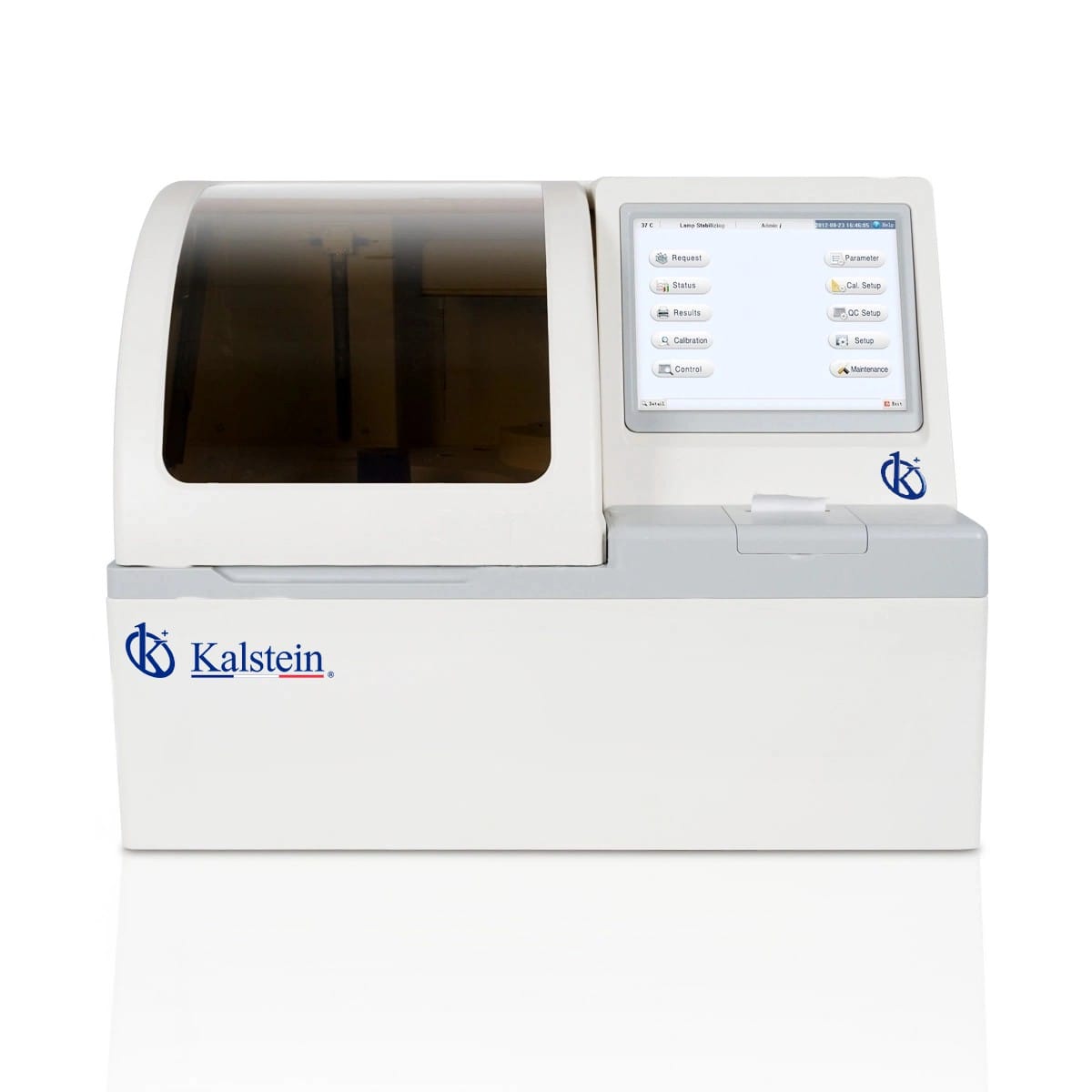
Zapewnienie zgodności z normami ISO/IEC w analizatorach chemii weterynaryjnej
W miarę jak praktyki weterynaryjne ewoluują, konieczność przestrzegania regulacji ISO/IEC staje się kluczowa dla zapewnienia wiarygodnych wyników diagnostycznych i utrzymania standardów jakości. Artykuł ten zgłębia różne normy ISO/IEC związane z analizatorami chemii weterynaryjnej, badając, jak zgodność poprawia operacje laboratoryjne i wyniki pacjentów.
Zrozumienie norm ISO/IEC związanych z analizatorami chemii weterynaryjnej
ISO (Międzynarodowa Organizacja Normalizacyjna) i IEC (Międzynarodowa Komisja Elektrotechniczna) opracowują normy, które zapewniają jakość, bezpieczeństwo i efektywność w operacjach laboratoryjnych. Dla analizatorów chemii weterynaryjnej kluczowe normy obejmują ISO 17025, która określa wymagania dotyczące kompetencji laboratoryjnej, oraz ISO 15189, koncentrującą się na laboratoriach medycznych. Zgodność promuje spójność i wiarygodność wyników testów, które są kluczowe dla diagnostyki weterynaryjnej.
ISO 17025: Zapewnienie kompetencji laboratoryjnej
ISO 17025 określa niezbędne kryteria, które laboratoria muszą spełnić, aby wykazać swoją kompetencję techniczną i zdolność do uzyskiwania ważnych wyników testów. Ta norma podkreśla znaczenie systemów zarządzania jakością, do których muszą się stosować analizatory chemii weterynaryjnej. Na przykład, Automatyczny Analizator Chemii Weterynaryjnej YR06168 oferuje kompleksowe oprogramowanie zdolne do konfiguracji dla wielu zwierząt, ułatwiając zgodność poprzez efektywne zarządzanie danymi i śledzenie.
ISO 15189: Zarządzanie jakością w laboratoriach medycznych
ISO 15189 ustanawia wymagania jakościowe specyficzne dla laboratoriów medycznych, promując bezpieczeństwo pacjentów i skuteczną diagnostykę. Ta norma wymaga rygorystycznej dokumentacji, kalibracji i procedur kontroli jakości, które można poprawić dzięki użyciu urządzeń takich jak Przenośny Analizator Chemii Weterynaryjnej YR06169. Jego zintegrowana drukarka termiczna umożliwia natychmiastową dokumentację danych, wspierając wysiłki na rzecz zgodności.
IEC 61010: Normy bezpieczeństwa dla sprzętu laboratoryjnego
IEC 61010 określa wymagania bezpieczeństwa dla sprzętu elektrycznego do pomiarów, kontroli i użytku laboratoryjnego. Ponieważ analizatory chemii weterynaryjnej działają z komponentami elektrycznymi, przestrzeganie tej normy jest niezbędne. Analizator Gazów Krwi i Elektrolitów YR06174 został zaprojektowany z funkcjami bezpieczeństwa i przyjaznym interfejsem, zapewniając, że operatorzy mogą przeprowadzać testy bez kompromisów w zakresie bezpieczeństwa lub dokładności.
Wymagania dokumentacyjne: Utrzymywanie dokładnych zapisów
Dokumentacja jest kluczowym elementem zgodności regulacyjnej. Obejmuje utrzymywanie zapisów kalibracji sprzętu, wyników testów i środków kontroli jakości. Ilościowy analizator immunofluorescencji weterynaryjnej YR06172 upraszcza ten proces, wspierając bezprzewodową transmisję danych i umożliwiając przechowywanie 10 000 obrazów, co może być kluczowe dla audytów i przeglądów wewnętrznych.
Śledzenie: Łączenie wyników z normami
Śledzenie zapewnia, że wyniki testów można wiarygodnie powiązać z certyfikowanymi normami. Zgodność z ISO 17025 wymaga wyraźnego wykazania śledzenia pomiarów. Chemiczny analizator weterynaryjny YR06077 wspiera śledzenie dzięki zintegrowanemu oprogramowaniu, umożliwiając laboratoriom śledzenie danych próbek w wielu testach, skutecznie spełniając wymagania regulacyjne.
Typowe pułapki zgodności w laboratoriach weterynaryjnych
Laboratoria weterynaryjne często napotykają wyzwania w utrzymaniu zgodności z normami ISO/IEC. Typowe błędy obejmują niewystarczającą dokumentację, brak regularnej kalibracji sprzętu oraz pomijanie środków kontroli jakości. Wykorzystanie analizatorów, takich jak analizator gazów krwi i elektrolitów YR06174, wyposażonego w automatyczne kontrole jakości, może zminimalizować te ryzyka i zwiększyć wysiłki na rzecz zgodności.
Porównanie dostępnych modeli
| Model | Objęte klauzule ISO/IEC | Cechy śledzenia | Najlepsze dla |
|---|---|---|---|
| YR06168 | ISO 17025 | Zarządzanie danymi z wielu zwierząt | Kompleksowe testowanie |
| YR06169 | ISO 15189 | Termiczne drukowanie wyników | Diagnostyka przenośna |
| YR06172 | ISO 15189 | Możliwość przechowywania danych | Testy immunofluorescencyjne |
| YR06174 | IEC 61010 | Zintegrowana kontrola jakości | Analiza gazów i elektrolitów |
| YR06077 | ISO 17025 | Oprogramowanie do śledzenia próbek | Testowanie chemiczne |
Typowe błędy i jak ich unikać
Wiele laboratoriów boryka się z problemami związanymi z zgodnością z powodu niewystarczającego szkolenia personelu, zaniedbywania regularnej konserwacji oraz niewłaściwych praktyk kalibracyjnych. Aby uniknąć tych pułapek, wdrożenie solidnego programu szkoleniowego dla personelu oraz wykorzystanie analizatorów z wbudowanymi funkcjami jakości i bezpieczeństwa może znacznie zwiększyć zgodność. Na przykład, użycie automatycznego analizatora chemii weterynaryjnej YR06168 może uprościć proces testowania i zapewnić przestrzeganie norm ISO.
Najczęściej zadawane pytania
Jakie normy ISO dotyczą analizatorów chemii weterynaryjnej?
Normy ISO dotyczące analizatorów chemii weterynaryjnej obejmują ISO 17025 i ISO 15189. Zgodność analizatorów, takich jak YR06168, z ISO 17025 zapewnia kompetencje laboratorium i niezawodność wyników testów.
Jak mogę zapewnić śledzenie wyników laboratoryjnych w weterynarii?
Zapewnienie śledzenia wyników laboratoryjnych w weterynarii można osiągnąć poprzez użycie analizatorów, takich jak YR06077, które zawierają oprogramowanie do śledzenia próbek. Pomaga to spełnić wymagania określone w ISO 17025, ułatwiając audyty i przeglądy.
Jakie dokumenty są wymagane do zgodności z ISO 15189 w laboratoriach weterynaryjnych?
Dokumentacja dla zgodności z ISO 15189 obejmuje prowadzenie rejestrów wszystkich przeprowadzonych testów, protokołów walidacji oraz wyników kontroli jakości. Urządzenia takie jak YR06169 pomagają uprościć ten proces dzięki wbudowanym możliwościom drukowania do natychmiastowego prowadzenia rejestrów.
Który analizator chemii weterynaryjnej jest najlepszy do diagnostyki przenośnej?
Przenośny analizator chemii weterynaryjnej YR06169 jest idealny do diagnostyki przenośnej, oferując szybkie wyniki w ciągu 10 minut i wymagając jedynie 100μl krwi pełnej, co wspomaga zgodność z normami ISO 15189.
Jak często powinienem kalibrować mój analizator chemii weterynaryjnej?
Kalibracja powinna być przeprowadzana regularnie, najlepiej przed każdym użyciem, aby zapewnić dokładność i zgodność z ISO 17025. Analizatory takie jak YR06174 mają zintegrowane funkcje kontroli jakości, które pomagają w utrzymaniu harmonogramów kalibracji.
Jakie są korzyści z używania analizatorów weterynaryjnych zgodnych z ISO?
Używanie analizatorów weterynaryjnych zgodnych z ISO zapewnia wiarygodne wyniki testów, zwiększa efektywność laboratorium i promuje bezpieczeństwo pacjentów. Na przykład, ilościowy analizator immunofluorescencji weterynaryjnej YR06172 wspiera zgodność z ISO 15189, dostarczając wysokiej jakości dane diagnostyczne.
Jak mogę poprawić zgodność w moim laboratorium weterynaryjnym?
Poprawa zgodności w Twoim laboratorium weterynaryjnym może być osiągnięta poprzez inwestowanie w jakościowe analizatory, takie jak chemiczny analizator weterynaryjny YR06077, który posiada wbudowane narzędzia zarządzania jakością i opcje śledzenia, aby wspierać przestrzeganie norm ISO.
Jaka jest rola kontroli jakości w analizie chemii weterynaryjnej?
Kontrola jakości odgrywa kluczową rolę w zapewnieniu dokładnych wyników testów i zgodności z normami ISO. Analizatory, takie jak Analyzer Gazu Krwi i Elektrolitów YR06174, wprowadzają zautomatyzowane kontrole jakości, aby uprościć ten proces i zwiększyć ogólną zgodność.
Jeśli szukasz połączenia innowacji i jakości, trafiłeś we właściwe miejsce. W Kalstein oferujemy Ci luksus odkrywania naszego ekskluzywnego katalogu sprzętu laboratoryjnego. Każde urządzenie produkujemy zgodnie z najwyższymi standardami doskonałości. Nasze intuicyjne i bezproblemowe kanały zakupu online są zaprojektowane z myślą o Twojej wygodzie, zapewniając najbardziej konkurencyjne ceny. Nie wahaj się dłużej — wprowadzamy naukę w życie, czas stać się częścią naszej społeczności.