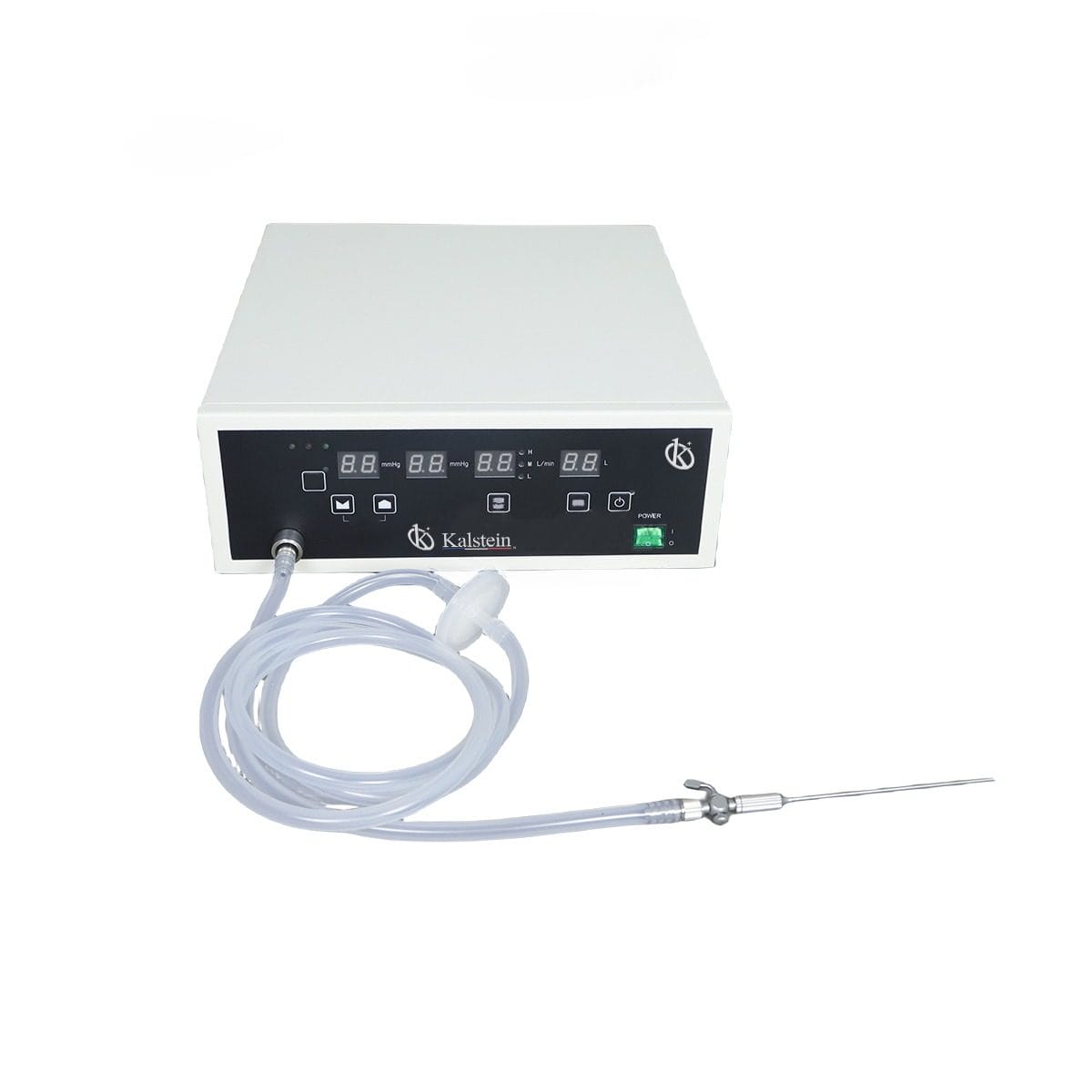
Veterinary Laparoscopy Systems: Applications in Research, Biotechnology, and Academia 2026
What is it used for in 2026
The Veterinary Laparoscopy Systems are essential tools in modern veterinary surgery, providing minimally invasive options for various procedures. These systems allow veterinarians to perform surgeries with reduced recovery time, minimized pain, and fewer complications. In 2026, their applications span across different fields such as research, biotechnology, and academic settings, improving surgical outcomes and enhancing educational methodologies.
History and evolution of the technology
Since their inception, veterinary laparoscopy systems have evolved significantly. Initially, laparoscopy was a technique used primarily in human medicine. However, advancements in technology have allowed for the adaptation of these systems for veterinary use. Today's systems incorporate high-definition imaging, CO2 insufflation, and integrated lighting, making them more effective and user-friendly. The evolution has also led to the introduction of portable devices, enabling their use in various environments beyond traditional surgical suites.
How to use it step by step
Using a veterinary laparoscopy system involves several key steps:
- Preparation: Ensure all equipment is sterilized and functional. Gather necessary instruments and confirm the patient’s health status.
- Setup: Position the patient appropriately on the surgical table and connect the insufflator and imaging system.
- Insufflation: Administer CO2 to create a working space in the abdominal cavity, allowing for better visibility.
- Insertion of instruments: Use specialized trocars to insert laparoscopic instruments into the abdomen.
- Monitoring: Utilize the high-definition imaging system for real-time monitoring during the procedure.
- Completion: Once the procedure is finished, remove instruments carefully and ensure proper closure of the incision sites.
Best techniques and protocols
Adopting best practices ensures successful outcomes in veterinary laparoscopy:
- Pre-operative assessment: Conduct thorough evaluations to identify any potential complications.
- Training: Ensure all personnel involved are adequately trained in laparoscopic techniques and use of equipment.
- Patient monitoring: Continuously monitor the patient’s vital signs throughout the procedure.
- Post-operative care: Implement a robust post-operative care plan to facilitate recovery.
Practical applications by laboratory type
Veterinary laparoscopy systems are versatile and can be utilized in various laboratory settings:
- Research laboratories: Used to study the efficacy of new surgical techniques and medical treatments on animal models.
- Biotechnology companies: Employed in the development of veterinary pharmaceuticals and surgical instruments.
- Academic institutions: Facilitate hands-on learning experiences for veterinary students, enhancing their practical skills.
Regulations, standards and certifications
To ensure safety and efficacy, veterinary laparoscopy systems must comply with various regulations and standards, which may include:
- ISO standards: Adhering to international standards for medical devices.
- FDA regulations: For devices used in the United States, ensuring they meet safety and effectiveness requirements.
- CE marking: Required for products sold in European markets, confirming compliance with health and safety standards.
Comparison with alternative technologies
When evaluating veterinary laparoscopy systems against alternative technologies, several factors come into play:
- Minimally invasive vs. traditional surgery: Laparoscopy offers less trauma and quicker recovery than open surgery.
- Imaging technology: High-definition cameras provide superior visualization compared to conventional imaging methods.
- Cost-effectiveness: While initial costs may be higher, the long-term benefits of laparoscopy systems often outweigh traditional methods due to reduced recovery times and complications.
Comparison of available models
| Model | Best for | Key specs | Recommended use case |
|---|---|---|---|
| YR06157 | Small animal laparoscopic surgery | Flow: 4L/min, 6L/min, 10L/min, Pressure: 0.67kPa~3.30kPa | Ideal for surgeries requiring CO2 insufflation in small animals. |
| YR06156 | Endoscopic imaging and recording | Camera resolution: 1920*1080, LED power: ≥30W | Best for procedures requiring high-definition imaging and portability. |
| YR06158 | Large animal laparoscopic procedures | Flow: 2L/min-40L/min, Long-life stability | Perfect for extensive surgeries with a need for high flow rates. |
Common mistakes and how to avoid them
Here are some common pitfalls in using veterinary laparoscopy systems and tips to avoid them:
- Inadequate training: Ensure all personnel receive proper training in both use and techniques to avoid complications.
- Insufficient equipment checks: Regularly inspect and maintain equipment to ensure functionality and safety.
- Ignoring post-operative care: Follow established protocols for monitoring recovery to prevent complications.
Maintenance, calibration and good practices 2026
To maintain optimal performance of veterinary laparoscopy systems:
- Regular maintenance: Schedule routine checks and servicing of equipment.
- Calibration: Follow manufacturer guidelines for calibrating devices to ensure accurate readings.
- Documentation: Keep detailed records of maintenance and calibration activities for compliance and safety tracking.
Cost-benefit analysis 2026
Investing in veterinary laparoscopy systems may seem daunting, but a cost-benefit analysis reveals their value:
- Initial investment: While upfront costs are higher, the reduced complication rates save costs in follow-up care.
- Operational efficiency: Faster procedures lead to more surgeries per day, increasing revenue potential.
- Patient outcomes: Improved surgical outcomes enhance clinic reputation and client satisfaction, driving future business.
Frequently asked questions
What are the key factors to consider when choosing a veterinary laparoscopy system?
When selecting a veterinary laparoscopy system, consider factors such as the type of procedures performed, imaging quality, ease of use, maintenance requirements, and cost. It’s essential to choose a system that aligns with your clinic's specific needs.
How can I ensure proper training for my staff in using laparoscopy systems?
Provide comprehensive training sessions that cover operational protocols, safety measures, and hands-on practice with the equipment. Engaging experienced professionals for training can enhance learning and proficiency.
What are the most common complications associated with veterinary laparoscopy?
Common complications may include bleeding, infection, or injury to surrounding structures. Proper technique, pre-operative assessments, and post-operative care can minimize these risks.
How often should I perform maintenance on my laparoscopy equipment?
It is recommended to perform routine maintenance checks at least quarterly, with more frequent checks based on usage intensity. Following manufacturer guidelines ensures the equipment remains in optimal condition.
What type of surgeries can be performed using a veterinary laparoscopy system?
Veterinary laparoscopy systems can be used for various procedures, including spaying and neutering, biopsies, and gastrointestinal surgeries. Their versatility makes them valuable in multiple surgical contexts.
How do I manage post-operative care for animals after laparoscopic surgery?
Post-operative care should include monitoring the animal for signs of distress, ensuring they are comfortable, providing pain management, and following specific care protocols based on the procedure performed.
Can veterinary laparoscopy systems be used in emergency situations?
Yes, veterinary laparoscopy systems can be beneficial in emergency situations, allowing for quick interventions with minimal invasiveness. Proper training and preparedness are essential in such cases.
If you are looking for a fusion of innovation and quality, you have come to the right place. At Kalstein, we offer you the luxury of exploring our exclusive catalog of laboratory equipment. We manufacture every device to the highest standards of excellence. Our intuitive and seamless online purchasing channels are designed for your convenience, securing the most competitive prices. Hesitate no longer — we bring science to life, it is time to become part of our community.