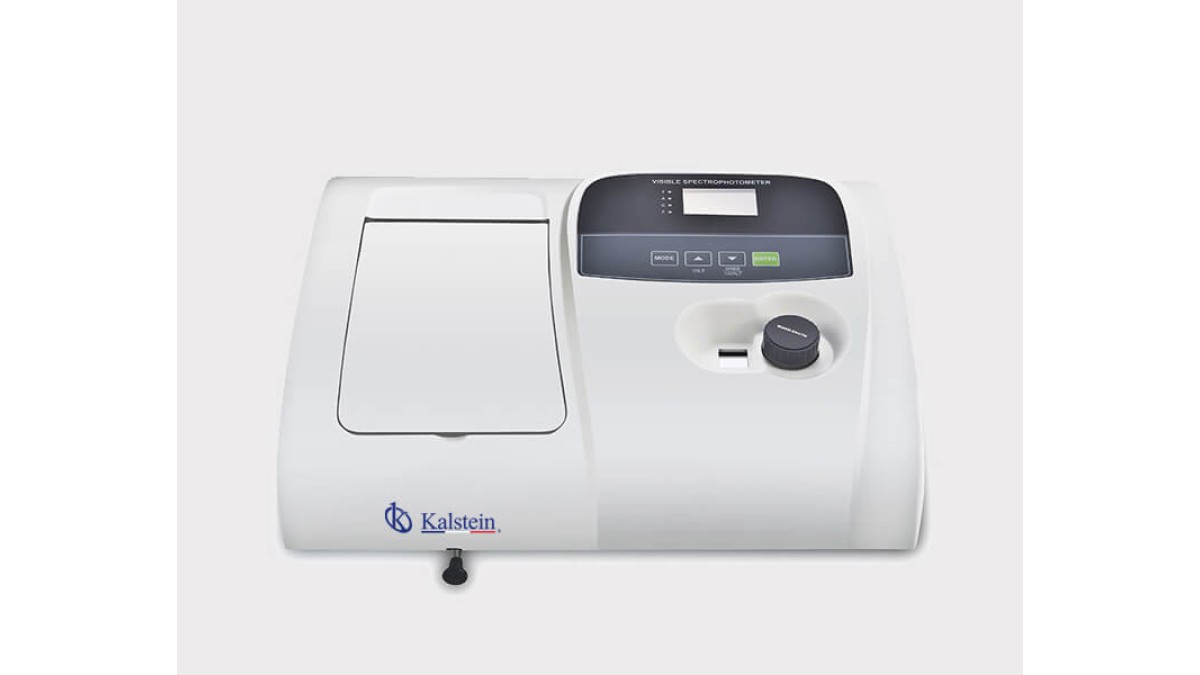
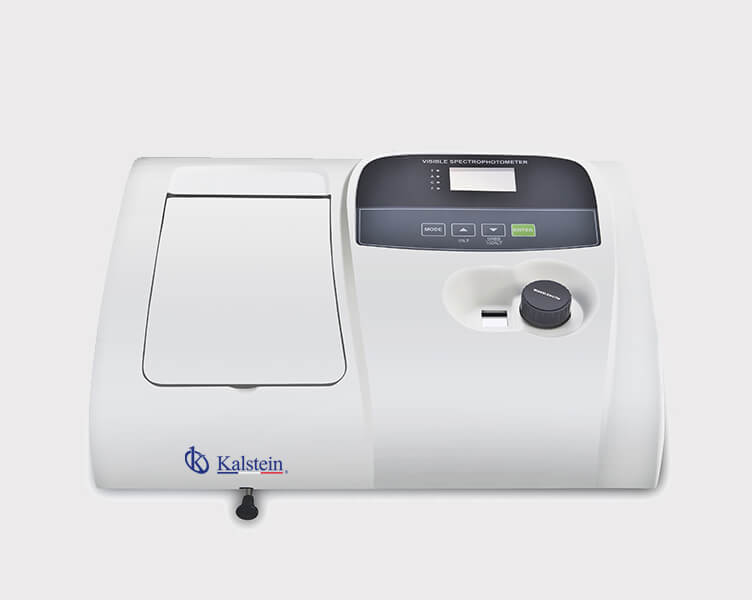
Unique Beam Spectrophotometers: A Practical Step-by-Step Guide for 2026
What is it used for in 2026
Unique beam spectrophotometers are critical instruments in various laboratory settings, providing precise measurements of light absorption by solutions. In 2026, these tools are widely used in chemical analysis, quality control in manufacturing, environmental monitoring, and biomedical applications. Their ability to handle diverse sample types, including liquids, solids, and gases, makes them invaluable across many scientific fields.
History and evolution of the technology
The evolution of spectrophotometry has been significant since its inception in the late 19th century. Early devices were rudimentary, using simple filters and photoelectric cells. Over the decades, advancements in optics, detector technology, and microprocessor control have led to the sophisticated unique beam spectrophotometers available today. With enhanced accuracy, wider wavelength ranges, and user-friendly interfaces, these instruments have transformed laboratory workflows and expanded their applications.
How to use it step by step
Using a unique beam spectrophotometer involves several steps to ensure accurate and reliable results:
- Preparation: Gather all required materials, including samples, cuvettes, and calibration standards.
- Calibration: Perform an initial calibration of the instrument using blank samples to set a baseline.
- Sample Measurement: Insert the cuvette containing the sample into the spectrophotometer and select the appropriate wavelength for the analysis.
- Data Recording: Record the absorbance or transmittance values displayed on the instrument's screen.
- Analysis: Analyze the data using appropriate software or calculations to determine the concentration of the analyte in the sample.
Best techniques and protocols
To maximize the effectiveness of unique beam spectrophotometers, consider the following techniques and protocols:
- Always use clean and appropriate cuvettes to prevent contamination and ensure accurate readings.
- Follow standardized procedures for sample preparation to minimize variability in results.
- Regularly calibrate and maintain the instrument to ensure its accuracy over time.
- Utilize software for data analysis, which can provide advanced statistical evaluations and graphical representations of results.
Practical applications by laboratory type
Unique beam spectrophotometers find applications in various laboratory types, including:
- Chemical Laboratories: Used for analyzing reaction kinetics and characterizing various compounds.
- Environmental Laboratories: Essential for measuring pollutants in water and air samples.
- Biological Laboratories: Utilized for quantifying nucleic acids and proteins in biological research.
- Quality Control Laboratories: Critical for ensuring product consistency in pharmaceutical and manufacturing processes.
Regulations, standards and certifications
Compliance with regulations and standards is vital in laboratory settings. Unique beam spectrophotometers must meet various international standards such as ISO 17025 for testing and calibration laboratories. Regular audits, adherence to good laboratory practices (GLP), and proper documentation are essential for maintaining certification and ensuring reliable results.
Comparison with alternative technologies
While unique beam spectrophotometers are widely used, other technologies exist, such as multi-beam spectrophotometers and fluorometers. Multi-beam systems can analyze multiple samples simultaneously, increasing throughput. Fluorometers, on the other hand, measure fluorescence instead of absorbance, suitable for specific applications like detecting low concentrations of analytes. Each technology has its pros and cons, and the choice depends on the specific requirements of the analysis.
Comparison of available models
| Model | Best for | Key specs | Recommended use case |
|---|---|---|---|
| YR01844 | General laboratory applications | Wavelength range: 325-1000nm, Accuracy: ±0.5% T | Routine analysis and teaching purposes |
| YR01845 | Standard curve creation | Wavelength range: 325-1000nm, LCD display for results | Analytical chemistry for unknown concentrations |
| YR01846 | High precision measurements | Wavelength range: 320-1100nm, Auto wavelength adjustment | Research requiring high accuracy |
| YR01847 | Advanced analytical needs | Wavelength range: 320-1100nm, High stability | Complex sample analysis in pharmaceuticals |
| YR01850 | UV-VIS analysis | Wavelength range: 190-1000nm, Dual lamp system | Environmental monitoring and testing |
| YR01853 | Comprehensive UV-VIS applications | Wavelength range: 190-1100nm, High resolution | Detailed spectroscopic studies |
Common mistakes and how to avoid them
Some common mistakes when using unique beam spectrophotometers include:
- Not calibrating the instrument correctly before measurements — always perform a calibration using blanks.
- Using contaminated or improper cuvettes, which can lead to erroneous readings.
- Failing to maintain the instrument regularly, affecting performance and accuracy.
- Ignoring environmental factors such as temperature and humidity, which can influence absorbance readings.
Maintenance, calibration and good practices 2026
Regular maintenance and calibration are crucial for the longevity and accuracy of unique beam spectrophotometers. Follow these good practices:
- Perform daily checks to ensure the instrument is functioning correctly.
- Calibrate the spectrophotometer weekly or before significant experiments.
- Clean the optical components regularly to prevent dust buildup.
- Keep a detailed maintenance log for tracking performance and issues.
Cost-benefit analysis 2026
Investing in unique beam spectrophotometers can provide significant returns in laboratory efficiency and accuracy. While initial costs may be high, the precision and reliability of results can lead to improved research outcomes and compliance with regulatory standards, ultimately saving time and reducing costs associated with errors.
Frequently asked questions
What factors should I consider when choosing a unique beam spectrophotometer?
Consider factors such as the wavelength range, photometric accuracy, ease of use, sample type compatibility, and software capabilities when selecting a spectrophotometer.
How do I maintain my unique beam spectrophotometer for best performance?
Regularly calibrate the instrument, clean optical components, and document maintenance activities to ensure optimal performance.
What are the common applications of unique beam spectrophotometers in laboratories?
They are used in chemical analysis, environmental monitoring, quality control, and biological research for measuring light absorption in various samples.
How often should I calibrate my spectrophotometer?
Calibration should be performed at least weekly or before any critical experiments to ensure accurate results.
Can unique beam spectrophotometers be used for solid samples?
Yes, with appropriate sample holders and preparation, solid samples can be analyzed using unique beam spectrophotometers.
What software is recommended for data analysis with spectrophotometers?
Look for software that can perform data integration, provide graphical representations, and comply with laboratory standards.
Where can I request a quote for unique beam spectrophotometers?
You can easily request a quote through our online platform, designed for quick and efficient service.
If you are looking for a fusion of innovation and quality, you have come to the right place. At Kalstein, we offer you the luxury of exploring our exclusive catalog of laboratory equipment. We manufacture every device to the highest standards of excellence. Our intuitive and seamless online purchasing channels are designed for your convenience, securing the most competitive prices. Hesitate no longer — we bring science to life, it is time to become part of our community.