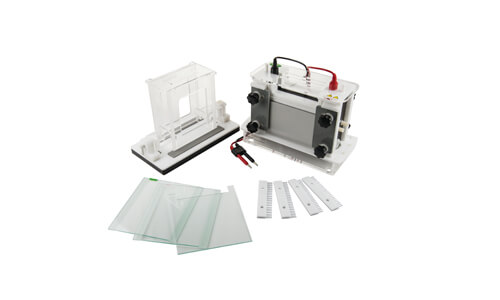
Understanding the Operating Principle and Scientific Fundamentals of the YR401 Mini Electrophoresis
The YR401 Mini Electrophoresis is a cutting-edge device designed to facilitate the separation of biomolecules through the principles of electrophoresis. This article delves into the intricate operating principles and scientific fundamentals that make the YR401 an indispensable tool in laboratory settings.
Operating Principle of the YR401 Mini Electrophoresis
The YR401 operates on the principle of electrophoresis, which is the movement of charged particles in a fluid or gel under the influence of an electric field. Specifically, this device allows for the separation of proteins, nucleic acids, and other biomolecules based on their size and charge.
When an electric field is applied, the charged biomolecules migrate toward the electrode of opposite charge. For instance, negatively charged DNA fragments move towards the positive electrode (anode) while positively charged proteins move toward the negative electrode (cathode). This migration results in the separation of biomolecules, which can then be visualized and analyzed.
Scientific Fundamentals of Electrophoresis
Electrophoresis relies on several fundamental scientific principles, including the properties of ionic solutions, charge-to-mass ratio, and the viscosity of the medium used. The effective separation of molecules in the YR401 is influenced by these factors:
- Ionic Strength: The concentration of ions in the buffer solution affects the conductivity and, in turn, the efficiency of electrophoresis.
- Charge-to-Mass Ratio: Molecules with different charge-to-mass ratios will migrate at different speeds in the electric field, leading to separation.
- Viscosity: The viscosity of the gel or buffer can hinder or facilitate the movement of molecules, thus impacting separation quality.
Key Formulas Related to Electrophoresis
Several key formulas are utilized to predict and analyze the behavior of molecules during electrophoresis. Notable among them is the equation:
v = μE
Where:
- v: Velocity of the molecule
- μ: Mobility of the molecule
- E: Electric field strength
This equation highlights the relationship between the mobility of a molecule and the strength of the electric field applied, which is crucial for optimizing the performance of the YR401.
Design Choices Behind the YR401
The design of the YR401 Mini Electrophoresis is optimized for efficiency and ease of use in laboratory conditions. Key considerations include:
- Compact Size: The miniaturized design allows for easy integration into various laboratory environments without occupying excessive bench space.
- User-Friendly Interface: The intuitive controls and display make it accessible for both novice and experienced users.
- Versatility: The YR401 can handle different types of gels and samples, making it suitable for a wide range of applications.
Technical Specifications of the YR401 Mini Electrophoresis
| Model | Brand | Category | Subcategory | Price (USD) | Weight (Net) | Weight (Gross) | Dimensions | Package Dimensions |
|---|---|---|---|---|---|---|---|---|
| YR401 | Kalstein | Electrophoresis | Horizontal Electrophoresis | 1900.00 | 1.5 kg | 2.5 kg | x x | 30 x 19 x 19 cm |
Frequently Asked Questions
What types of samples can be analyzed using the YR401?
The YR401 is suitable for analyzing various samples, including DNA, RNA, and proteins, making it versatile for different research purposes.
How does the electric field strength affect the results in YR401?
The strength of the electric field directly influences the speed at which charged molecules migrate through the gel. Optimizing this parameter can enhance separation efficiency.
What are the common mistakes when using the YR401?
Common mistakes include incorrect buffer preparation, improper gel concentration, and not calibrating the device before use. Each of these can lead to suboptimal results.
What maintenance is required for the YR401 over time?
Regular maintenance includes cleaning the gel chamber, checking electrical connections, and ensuring that the buffer solutions are fresh and correctly prepared.
Can the YR401 be used for educational purposes?
Absolutely, the YR401 is ideal for educational settings, providing students with hands-on experience in molecular biology techniques.
If you are looking for a fusion of innovation and quality, you have come to the right place. At Kalstein, we offer you the luxury of exploring our exclusive catalog of laboratory equipment. We manufacture every device to the highest standards of excellence. Our intuitive and seamless online purchasing channels are designed for your convenience, securing the most competitive prices. Hesitate no longer — we bring science to life, it is time to become part of our community.