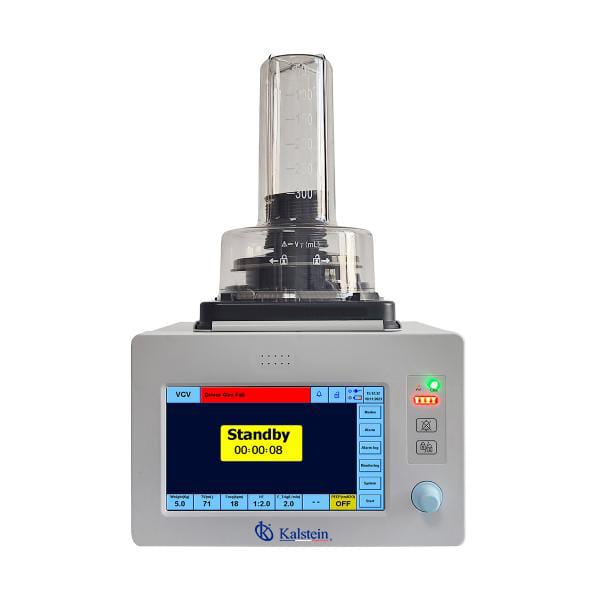
Zrozumienie interpretacji pomiarów z wentylatora anestezjologicznego YR06104 dla zwierząt
Wentylator anestezjologiczny YR06104 to urządzenie napędzane turbiną, zaprojektowane do różnych scenariuszy chirurgicznych u zwierząt. Szeroko stosowany w szpitalach dla zwierząt, klinikach weterynaryjnych, instytucjach badawczych i ośrodkach szkoleniowych, jego efektywność operacyjna jest kluczowa dla dokładnego podawania znieczulenia i interpretacji pomiarów. Zrozumienie, jak odczytywać i interpretować pomiary z tego urządzenia, jest niezbędne dla weterynarzy i techników, aby zapewnić bezpieczeństwo zwierząt i skuteczne leczenie.
Przegląd wentylatora anestezjologicznego YR06104
Model YR06104 wyróżnia się w praktykach weterynaryjnych dzięki innowacyjnemu projektowi, który nie wymaga źródła powietrza pod wysokim ciśnieniem, a jedynie koncentratora tlenu do działania. To znacznie upraszcza jego użytkowanie w różnych środowiskach. Wentylator automatycznie oblicza parametry wentylacji, dostosowując jedynie wagę zwierzęcia, co czyni go przyjaznym dla użytkownika i wydajnym.
Specyfikacje techniczne YR06104
| Specyfikacja | Szczegóły |
|---|---|
| Model | YR06104 |
| Objętość oddechowa (TV) | 20-1500 ml |
| Częstość oddechowa | 1-150 bpm |
| Częstość oddechów spontanicznych | 0-150 lpm |
| Wrażliwość na wyzwolenie ciśnienia | -1-20 cmH2O, OFF |
| Ciśnienie wdechowe | 0-60 cmH2O |
| Stężenie tlenu wdechowego (FiO2) | 15-100% |
| Ciśnienie gazu napędowego | 0-900 kPa |
Interpretacja odczytów pomiarów z YR06104
Dokładna interpretacja odczytów jest kluczowa dla skutecznego użycia YR06104. Zrozumienie interfejsu wyświetlacza i znaczenia różnych parametrów może pomóc praktykom zapewnić optymalną opiekę nad zwierzętami podczas znieczulenia:
- Objętość oddechowa (TV): Ten parametr wskazuje ilość powietrza dostarczanego do zwierzęcia przy każdym oddechu. Idealna TV zależy od wagi i gatunku zwierzęcia.
- Częstość oddechowa: Mierzy, ile oddechów na minutę jest dostarczanych. Musi odpowiadać fizjologicznym potrzebom zwierzęcia w zależności od gatunku i stanu zdrowia.
- Wskaźnik spontanicznego oddychania: Wyświetla częstość naturalnych oddechów pacjenta, co może pomóc w określeniu, czy zwierzę odpowiednio wraca do zdrowia po znieczuleniu.
Typowe błędne interpretacje odczytów pomiarowych
Istnieje kilka powszechnych pułapek w interpretacji wyników z YR06104:
- Mylenie wartości TV z wentylacją minutową: Ważne jest, aby zrozumieć, że objętość oddechowa to tylko część całego procesu wentylacji.
- Pomijanie znaczenia stężenia tlenu: Błędna ocena FiO2 może prowadzić do hipoksji lub hiperoksji, które są szkodliwe dla pacjenta.
Przykłady zastosowania w warunkach klinicznych
YR06104 nadaje się do różnych zastosowań klinicznych, w tym:
- Operacje wymagające kontrolowanego znieczulenia u zwierząt domowych i hodowlanych.
- Środowiska badawcze, w których wymagana jest precyzyjna kontrola parametrów oddechowych.
- Scenariusze awaryjne, w których szybkie przygotowanie i działanie są kluczowe.
Najczęściej zadawane pytania
Jak ustawić prawidłową objętość oddechową dla różnych gatunków przy użyciu YR06104?
Prawidłowa objętość oddechowa powinna być ustalana na podstawie wagi i cech fizjologicznych gatunku. Zazwyczaj większe zwierzęta wymagają wyższych objętości oddechowych. Skonsultuj się z konkretnymi zasobami lub wytycznymi z zakresu anestezjologii weterynaryjnej, aby uzyskać dokładne wartości dla poszczególnych gatunków.
Co powinienem zrobić, jeśli napotkam kod błędu na YR06104?
Kody błędów zazwyczaj wskazują na usterkę lub błędną konfigurację. Odwołaj się do instrukcji obsługi, aby uzyskać listę kodów błędów i odpowiadające im kroki rozwiązywania problemów. Powszechne problemy mogą obejmować niewłaściwe ustawienie czujnika lub zablokowane drogi oddechowe.
Czy YR06104 może być używany do monitorowania powrotu do zdrowia?
Tak, YR06104 umożliwia monitorowanie wskaźników spontanicznego oddychania, co jest istotne w fazie powrotu do zdrowia. Obserwacja powrotu zwierzęcia do normalnych wzorców oddechowych jest kluczowa dla opieki po znieczuleniu.
Jakie są konsekwencje błędnych odczytów stężenia tlenu?
Błędne odczyty mogą prowadzić do poważnych konsekwencji. Niskie poziomy tlenu (hipoksja) mogą skutkować uszkodzeniem narządów, podczas gdy wysokie poziomy (hiperoksja) mogą powodować stres oksydacyjny. Regularna kalibracja i konserwacja czujnika tlenu są niezbędne, aby zapewnić dokładność.
Jak często należy serwisować YR06104, aby uzyskać optymalną wydajność?
Zaleca się rutynowy serwis co sześć miesięcy, lub częściej, jeśli urządzenie jest intensywnie używane. Obejmuje to sprawdzanie czujników, wymianę filtrów oraz zapewnienie prawidłowego działania wszystkich komponentów.
Jaka jest zalecana rutyna konserwacji dla YR06104?
Rutyna konserwacji powinna obejmować codzienne sprawdzanie funkcji wyświetlacza, cotygodniową kalibrację stężenia tlenu oraz dokładne inspekcje wszystkich filtrów i rur miesięcznie. Dokumentuj wszelkie działania konserwacyjne dla kontroli jakości.
Jak interpretować odczyty ciśnienia wyświetlane na YR06104?
Odczyty ciśnienia wskazują opór w systemie. Zrozumienie ciśnień szczytowych, średnich i platformowych pomaga ocenić skuteczność wentylacji i może wskazywać na potencjalne problemy z mechanicznymi aspektami oddychania wentylowanego zwierzęcia.
Jeśli szukasz połączenia innowacji i jakości, trafiłeś we właściwe miejsce. W Kalstein oferujemy Ci luksus odkrywania naszego ekskluzywnego katalogu sprzętu laboratoryjnego. Produkujemy każde urządzenie zgodnie z najwyższymi standardami doskonałości. Nasze intuicyjne i bezproblemowe kanały zakupu online są zaprojektowane z myślą o Twojej wygodzie, zapewniając najkonkurencyjniejsze ceny. Nie wahaj się dłużej — wprowadzamy naukę w życie, czas stać się częścią naszej społeczności.