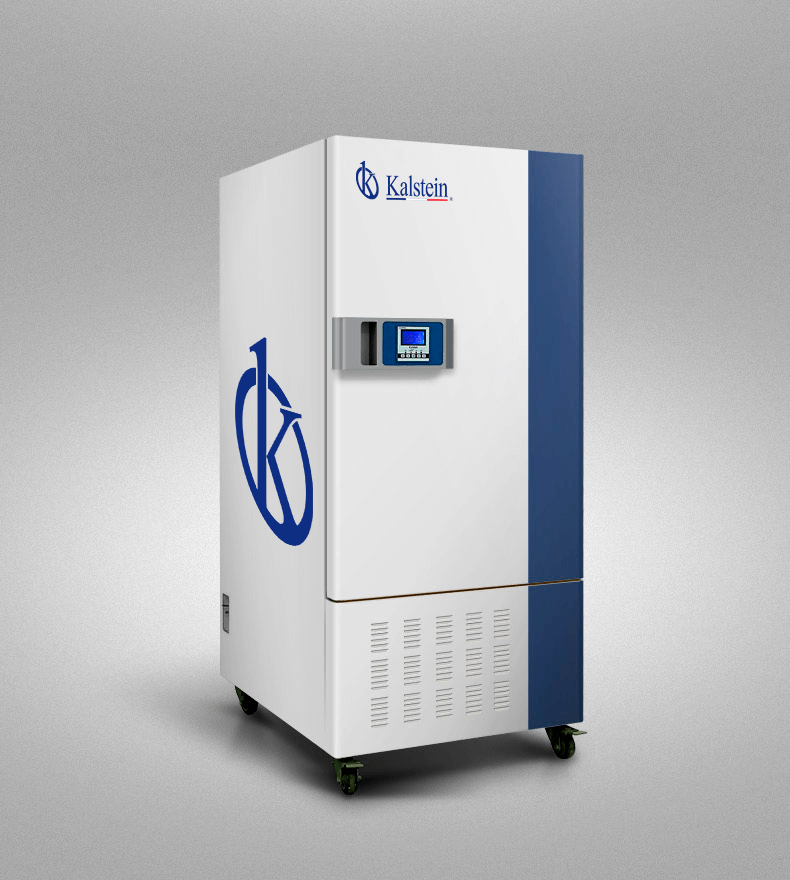
Zrównoważony rozwój energetyczny i redukcja śladu środowiskowego w komorach o stałej temperaturze i wilgotności
W miarę jak laboratoria coraz bardziej koncentrują się na zrównoważonym rozwoju energetycznym i redukcji swojego śladu środowiskowego, wybór sprzętu odgrywa kluczową rolę. Komory o stałej temperaturze i wilgotności są niezbędnymi narzędziami w różnych zastosowaniach naukowych i przemysłowych, ale ich projekt i efektywność operacyjna mogą znacząco wpływać zarówno na zużycie energii, jak i na wpływ na środowisko. Artykuł ten dostarczy kompleksowej analizy, w jaki sposób różne modele komór o stałej temperaturze i wilgotności przyczyniają się do zrównoważonego rozwoju energetycznego, wraz ze szczegółowym porównaniem dostępnych modeli w tej kategorii.
Zrozumienie zrównoważonego rozwoju energetycznego w środowisku laboratoryjnym
Zrównoważony rozwój energetyczny odnosi się do efektywnego i odpowiedzialnego wykorzystania zasobów energetycznych przy jednoczesnym minimalizowaniu wpływu na środowisko. W warunkach laboratoryjnych obejmuje to nie tylko energię operacyjną zużywaną przez sprzęt, taki jak komory o stałej temperaturze i wilgotności, ale także cały cykl życia od produkcji do utylizacji. Wybierając sprzęt zaprojektowany z myślą o efektywności energetycznej, laboratoria mogą obniżyć koszty operacyjne i wspierać działania na rzecz zrównoważonego rozwoju.
Ocena śladu środowiskowego komór o stałej temperaturze i wilgotności
Ślad środowiskowy komory o stałej temperaturze i wilgotności obejmuje różne czynniki, w tym zużycie energii podczas pracy, materiały użyte w budowie oraz odpady generowane na końcu cyklu życia produktu. Inteligentne wybory projektowe, takie jak izolacja o wysokiej efektywności i zaawansowane systemy kontroli temperatury, mogą znacząco obniżyć energię wymaganą do utrzymania stabilnych warunków. Zrozumienie tych czynników jest niezbędne do podejmowania świadomych decyzji zakupowych.
Porównanie dostępnych modeli
| Model | Zakres temperatur (°C) | Zakres wilgotności (%) | Cena (USD) | Funkcje energetyczne |
|---|---|---|---|---|
| YR05334 | 0-60 | 40-95 | 1870.00 | Izolacja o wysokiej efektywności |
| YR05335 | 0-60 | 40-95 | 2220.00 | Adaptacyjna kontrola temperatury |
| YR05336 | 0-60 | 40-95 | 3140.00 | Monitorowanie wyświetlacza LED |
| YR05337 | 0-60 | 40-95 | 1900.00 | Certyfikat CE |
| YR05338 | 0-60 | 40-95 | 2250.00 | Efektywna cyrkulacja powietrza |
| YR05339 | 0-60 | 40-95 | 3180.00 | Efektywna energetycznie praca |
Najlepsze praktyki w celu redukcji zużycia energii
Aby zmaksymalizować efektywność energetyczną, laboratoria powinny wdrożyć najlepsze praktyki, takie jak regularna konserwacja komór, optymalne umiejscowienie w celu zmniejszenia strat ciepła oraz wykorzystanie programowalnych systemów sterowania. Wybór modeli wyposażonych w technologie energooszczędne, takie jak YR05334, które charakteryzują się wysokowydajną izolacją, może również pomóc w ograniczeniu zużycia energii. Dodatkowo, szkolenie personelu w zakresie najlepszych praktyk operacyjnych może prowadzić do znacznych redukcji marnotrawstwa.
Ocena cyklu życia komór o stałej temperaturze
Ocena cyklu życia (LCA) jest kluczowa dla zrozumienia całkowitego wpływu na środowisko komór o stałej temperaturze i wilgotności, od wydobycia surowców po utylizację na końcu cyklu życia. Uwzględnienie zużycia energii w każdej fazie może prowadzić do bardziej zrównoważonego projektowania i podejmowania decyzji zakupowych. Na przykład modele takie jak YR05336, znane z wysokiej jakości materiałów i energooszczędnej konstrukcji, mogą zmniejszyć ogólny wpływ na środowisko w porównaniu do modeli o niższej jakości.
Typowe błędy i jak ich unikać
Jednym z typowych błędów przy wyborze komór o stałej temperaturze i wilgotności jest pomijanie ocen efektywności energetycznej. Kupujący często koncentrują się wyłącznie na początkowej cenie zakupu, zamiast brać pod uwagę długoterminowe oszczędności na rachunkach za energię. Dodatkowo, zaniedbanie oceny całkowitego wpływu na środowisko może prowadzić do niezamierzonych błędów w zakresie zrównoważonego rozwoju. Aby uniknąć tych błędów, laboratoria powinny przeprowadzić dokładne badania, porównać modele na podstawie cech energetycznych oraz skonsultować się z ekspertami branżowymi.
Najczęściej zadawane pytania
Jak komory o stałej temperaturze i wilgotności mogą przyczynić się do efektywności energetycznej?
Komory o stałej temperaturze i wilgotności, takie jak YR05335, są zaprojektowane z adaptacyjnym sterowaniem temperaturą i efektywną izolacją, co znacząco redukuje zużycie energii podczas pracy. Wybór modeli z tymi cechami może zwiększyć ogólną efektywność energetyczną w środowiskach laboratoryjnych.
Jakie czynniki powinienem wziąć pod uwagę przy wyborze komory o stałej temperaturze dla zrównoważonego rozwoju?
Przy wyborze komory o stałej temperaturze należy wziąć pod uwagę oceny zużycia energii, materiały konstrukcyjne oraz efektywność izolacji. Modele takie jak YR05337, z certyfikatem CE, wskazują na zgodność z międzynarodowymi standardami efektywności energetycznej, co czyni je odpowiednimi dla zrównoważonych praktyk laboratoryjnych.
Który model oferuje najlepsze cechy oszczędzania energii do użytku laboratoryjnego?
Model YR05334 oferuje wyjątkowe funkcje oszczędzania energii dzięki swojej wysokowydajnej izolacji i adaptacyjnym systemom sterowania. Funkcje te pomagają utrzymać stabilne warunki przy minimalnym zużyciu energii, co czyni go idealnym wyborem dla laboratoriów skoncentrowanych na zrównoważonym rozwoju.
Jak izolacja wpływa na efektywność energetyczną komór wilgotności?
Izolacja bezpośrednio wpływa na efektywność energetyczną komory wilgotności, redukując wymianę ciepła między wewnętrznym środowiskiem a warunkami zewnętrznymi. Wyższa jakość izolacji, jak w modelu YR05338, zmniejsza energię potrzebną do utrzymania stabilnych poziomów wilgotności i temperatury, wspierając działania na rzecz zrównoważonego rozwoju.
Jakie kroki mogą podjąć laboratoria, aby zminimalizować swój ślad węglowy?
Laboratoria mogą zmniejszyć swój ślad węglowy, inwestując w sprzęt energooszczędny, optymalizując praktyki operacyjne i przeprowadzając regularną konserwację. Wykorzystanie modeli takich jak YR05339, które priorytetowo traktują efektywność energetyczną, może dodatkowo wspierać inicjatywy na rzecz zrównoważonego rozwoju.
Jaką rolę odgrywają technologie w zwiększaniu zrównoważonego rozwoju komór o stałej temperaturze?
Technologie takie jak wysokowydajna izolacja, adaptacyjne sterowanie temperaturą i monitorowanie LED znacząco zwiększają zrównoważony rozwój komór o stałej temperaturze, takich jak YR05336. Technologie te przyczyniają się do niższego zużycia energii i poprawy wyników środowiskowych.
Jak mogę zapewnić zgodność z normami efektywności energetycznej w moim laboratorium?
Aby zapewnić zgodność z normami efektywności energetycznej, wybierz modele, które mają odpowiednie certyfikaty, takie jak CE dla YR05337, i regularnie audytuj ich wydajność w odniesieniu do wskaźników zrównoważonego rozwoju. Przeprowadzanie audytów energetycznych może również pomóc w identyfikacji obszarów do poprawy.
Jakie są długoterminowe korzyści z inwestowania w energooszczędne komory o stałej temperaturze?
Inwestowanie w energooszczędne komory o stałej temperaturze oferuje długoterminowe korzyści, w tym obniżone koszty operacyjne, mniejszy wpływ na środowisko i zgodność z regulacjami dotyczącymi zrównoważonego rozwoju. Modele takie jak YR05334 ilustrują te korzyści, co czyni je mądra inwestycją dla laboratoriów dbających o środowisko.
Jeśli szukasz połączenia innowacji i jakości, trafiłeś we właściwe miejsce. W Kalstein oferujemy Ci luksus odkrywania naszego ekskluzywnego katalogu sprzętu laboratoryjnego. Każde urządzenie produkujemy zgodnie z najwyższymi standardami doskonałości. Nasze intuicyjne i bezproblemowe kanały zakupów online są zaprojektowane z myślą o Twojej wygodzie, zapewniając najbardziej konkurencyjne ceny. Nie wahaj się dłużej — wprowadzamy naukę w życie, czas stać się częścią naszej społeczności.