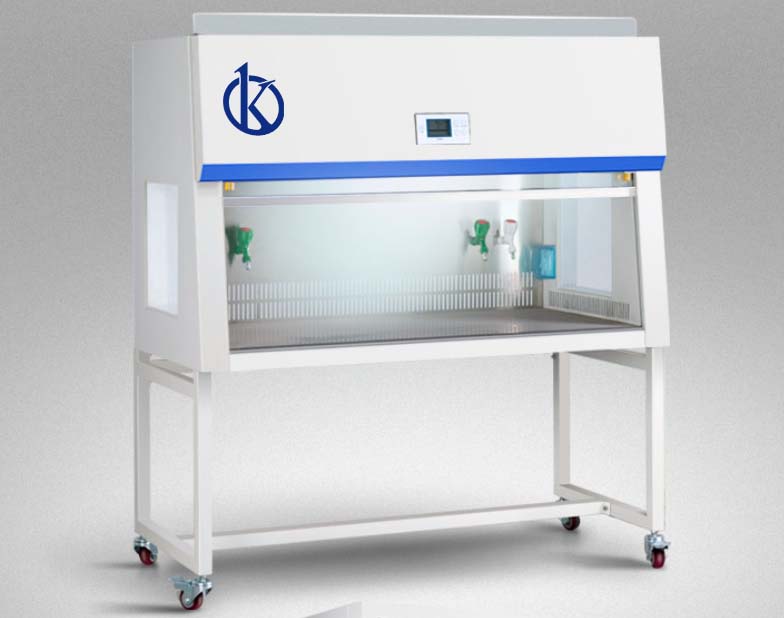
Zrównoważone wykorzystanie energii w pionowych laminar flow clean benches: redukcja śladu węglowego
W ostatnich czasach zrównoważony rozwój stał się priorytetem w operacjach laboratoryjnych, obejmując wszystkie formy sprzętu, w tym pionowe laminar flow clean benches. Te ławki są niezbędne do utrzymania sterylnych środowisk w różnych ustawieniach laboratoryjnych, a zrozumienie ich roli w zrównoważonym wykorzystaniu energii jest kluczowe dla profesjonalistów laboratoryjnych.
Zrozumienie pionowych laminar flow clean benches i ich wpływu na środowisko
Pionowe laminar flow clean benches odgrywają kluczowe role w laboratoriach, szczególnie w zastosowaniach biologicznych, farmaceutycznych i elektronicznych. Główną funkcją tych ławek jest zapewnienie środowiska pracy wolnego od zanieczyszczeń poprzez kierowanie filtrowanego powietrza w dół, tworząc sterylny obszar do eksperymentów i operacji. Jednak wpływ środowiskowy takiego sprzętu jest istotnym tematem, ponieważ zazwyczaj zużywają one znaczne ilości energii, przyczyniając się do śladu węglowego.
Rozwiązywanie problemu zużycia energii w laminar flow clean benches nie dotyczy tylko bezpośrednich kosztów operacyjnych, ale obejmuje również szerszą perspektywę na zrównoważony rozwój. Wdrażając modele energooszczędne, laboratoria mogą znacznie zmniejszyć swoje całkowite zużycie, minimalizując tym samym swój wpływ na środowisko.
Analiza porównawcza modeli skoncentrowanych na efektywności energetycznej
Następujące modele pionowych laminar flow clean benches zostaną przeanalizowane pod kątem ich zużycia energii, efektywności operacyjnej oraz zdolności do redukcji śladu węglowego.
Porównanie dostępnych modeli
| Model | Zużycie energii (W) | Klasa czystości | Najlepsze dla | Cena (USD) |
|---|---|---|---|---|
| YR05267-1 | 400 | Klasa 5 | Biotechnologia i farmaceutyki | 1600.00 |
| YR05734 | 240 | Klasa 100 | Eksperymenty biologiczne | 240.00 |
| YR05735 | 300 | Klasa 100 | Badania naukowe | 300.00 |
| YR05736 | 420 | Klasa 100 | Ogólne zastosowanie laboratoryjne | 420.00 |
| YR05737 | 500 | Klasa 100 | Eksperymenty laboratoryjne | 650.00 |
| YR05738 | 400 | Klasa 100 | Zastosowania medyczne i bezpieczeństwo żywności | 590.00 |
Zużycie energii i strategie zrównoważonego rozwoju
Każdy model wymieniony nie tylko służy bezpośredniemu celowi ochrony integralności laboratorium, ale może być również optymalizowany pod kątem efektywności energetycznej. Na przykład modele takie jak YR05734 mają niższe zużycie energii przy zachowaniu czystości klasy 100, co czyni je odpowiednimi do środowisk wymagających mniej rygorystycznych kontroli, oszczędzając energię bez kompromisów w zakresie bezpieczeństwa.
Co więcej, operatorzy mogą wdrażać praktyki takie jak regularna konserwacja i optymalne zarządzanie przepływem powietrza, aby zwiększyć efektywność energetyczną. Zmniejszenie przepływu powietrza, gdy pełna moc nie jest konieczna, może prowadzić do znacznych oszczędności energii.
Najlepsze praktyki w celu zmniejszenia śladu ekologicznego
Podczas korzystania z pionowych laminar flow clean benches, najlepsze praktyki mogą znacząco wpłynąć zarówno na zużycie energii, jak i na wpływ na środowisko. Należą do nich:
- Regularna konserwacja: Utrzymywanie filtrów w czystości i ich wymiana w razie potrzeby zapewnia optymalny przepływ powietrza i efektywność energetyczną.
- Szkolenie personelu: Edukowanie personelu laboratorium na temat efektywnego korzystania z clean benches, aby uniknąć niepotrzebnego użycia, może prowadzić do niższego zużycia energii.
- Modele energooszczędne: Inwestowanie w nowoczesne modele zaprojektowane z myślą o technologiach oszczędzających energię może znacznie zmniejszyć całkowite zużycie energii.
Typowe błędy i jak ich unikać
Wiele laboratoriów popełnia typowe błędy, które mogą utrudniać osiągnięcie celów zrównoważonego rozwoju. Jednym z najczęstszych jest zaniedbywanie regularnej konserwacji, co może prowadzić do zwiększonego zużycia energii z powodu nieskutecznego przepływu powietrza. Innym błędem jest niewystarczające szkolenie personelu w zakresie najlepszych praktyk korzystania z clean benches, co może prowadzić do niepotrzebnego zużycia energii.
Najczęściej zadawane pytania
Jak mogę ocenić efektywność energetyczną pionowych laminar flow clean benches?
Aby ocenić efektywność energetyczną pionowych laminar flow clean benches, zwróć uwagę na ich moc, jak w przypadku YR05734 o mocy 240W, i rozważ klasę czystości, którą utrzymują. Niższe zużycie energii przy wyższych ocenach czystości przyczynia się do zrównoważonego rozwoju.
Który model pionowego laminar flow clean bench jest najlepszy do minimalizacji wpływu na środowisko?
Model YR05734 jest doskonałym wyborem do minimalizacji wpływu na środowisko, ponieważ działa przy zaledwie 240W, zachowując czystość klasy 100, co czyni go idealnym do eksperymentów biologicznych z mniejszym śladem energetycznym.
Jakie kroki konserwacyjne zwiększają zrównoważony rozwój clean benches?
Poprawa zrównoważonego rozwoju obejmuje regularne czyszczenie filtrów, zapewnienie prawidłowej instalacji oraz przeprowadzanie rutynowych kontroli prędkości przepływu powietrza, co może pomóc modelom takim jak YR05267-1 w utrzymaniu optymalnej wydajności i efektywności energetycznej.
Jak różne poziomy przepływu powietrza wpływają na zużycie energii w stołach laminarnego przepływu?
Dostosowanie poziomów przepływu powietrza znacząco wpływa na zużycie energii; na przykład, utrzymanie przepływu powietrza na poziomie 0,3 do 0,6 m/s w modelu YR05267-1 zapewnia wystarczającą czystość przy minimalizacji niepotrzebnego zużycia energii, promując zrównoważony rozwój.
Jakie certyfikaty powinienem szukać w energooszczędnych stołach laminarnego przepływu?
Szukaj certyfikatów takich jak ISO 14644.1, które zapewniają, że czysty stół spełnia określone standardy czystości, jak w modelach takich jak YR05736, co wskazuje na równowagę między wydajnością a zrównoważonym rozwojem.
Jak mogę zintegrować praktyki energooszczędne w mojej działalności laboratoryjnej?
Integracja praktyk energooszczędnych obejmuje szkolenie personelu, inwestowanie w modele takie jak YR05734 oraz stosowanie systemów monitorowania energii w celu śledzenia i redukcji zużycia, co zwiększa ogólną zrównoważoność laboratorium.
Jakie cechy powinienem priorytetowo traktować w zrównoważonych stołach laminarnego przepływu?
Priorytetowo traktuj cechy takie jak niskie zużycie energii, skuteczne systemy filtracji oraz wszechstronność operacyjną, jak te występujące w YR05735, które pomagają utrzymać czystość przy mniejszym wpływie na środowisko.
Podsumowanie
Podsumowując, pionowe stoły laminarnego przepływu odgrywają kluczową rolę w środowiskach laboratoryjnych, a ich wpływ na zrównoważony rozwój energetyczny jest znaczący. Dzięki starannemu doborowi modeli, praktykom konserwacyjnym i strategiom operacyjnym laboratoria mogą znacząco zmniejszyć swój ślad węglowy, jednocześnie utrzymując krytyczne standardy czystości. Wybierając energooszczędne rozwiązania, takie jak YR05734, i przestrzegając najlepszych praktyk, profesjonaliści laboratoryjni mogą przyczynić się do bardziej zrównoważonej przyszłości.
Jeśli szukasz połączenia innowacji i jakości, trafiłeś we właściwe miejsce. W Kalstein oferujemy Ci luksus odkrywania naszego ekskluzywnego katalogu sprzętu laboratoryjnego. Produkujemy każde urządzenie zgodnie z najwyższymi standardami doskonałości. Nasze intuicyjne i bezproblemowe kanały zakupu online są zaprojektowane z myślą o Twojej wygodzie, zapewniając najbardziej konkurencyjne ceny. Nie wahaj się dłużej — ożywiamy naukę, czas stać się częścią naszej społeczności.