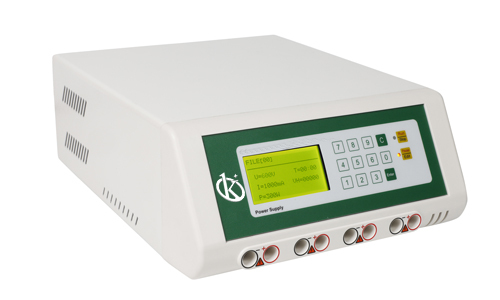
Zasilacze Wysokiego Napięcia: Zrównoważony Rozwój Energetyczny i Redukcja Śladu Węglowego
Skupienie się na zrównoważonym rozwoju energetycznym i redukcji śladu węglowego jest kluczowe w dzisiejszych laboratoriach. Zasilacze wysokiego napięcia są niezbędne w różnych zastosowaniach, ale również stawiają wyzwania w zakresie zużycia energii i wpływu na środowisko. W tym artykule zbadamy, jak różne modele zasilaczy wysokiego napięcia przyczyniają się do efektywności energetycznej i zrównoważonego rozwoju, podkreślając kluczowe cechy i uwagi dla profesjonalistów w laboratoriach.
Zrozumienie Zrównoważonego Rozwoju Energetycznego w Zasilaczach Wysokiego Napięcia
Zrównoważony rozwój energetyczny w zasilaczach wysokiego napięcia polega na wykorzystaniu technologii, które minimalizują zużycie energii przy maksymalizacji efektywności wyjściowej. Obejmuje to stosowanie urządzeń, które spełniają normy energetyczne oraz integrację inteligentnych systemów sterowania, które optymalizują wydajność w zależności od potrzeb operacyjnych.
Nowoczesne zasilacze wysokiego napięcia, takie jak modele YR03409 i YR03408, zostały zaprojektowane z myślą o efektywności energetycznej. Te systemy pozwalają laboratoriom na utrzymanie rygorystycznych protokołów energetycznych, zapewniając jednocześnie niezawodne dostarczanie energii do eksperymentów i zastosowań.
Redukcja Śladu Węglowego dzięki Innowacyjnym Cechom
Innowacyjne cechy w zasilaczach wysokiego napięcia mogą znacznie zmniejszyć ślad węglowy operacji laboratoryjnych. Na przykład model YR03407 oferuje inteligentne wykrywanie usterek, które zapobiega niepotrzebnemu marnotrawieniu energii dzięki monitorowaniu w czasie rzeczywistym i powiadomieniom o przeciążeniu i zwarciach.
Co więcej, możliwość przechowywania wielu metod elektroforezy w modelach takich jak YR03408 pozwala na efektywne wykorzystanie zasobów, redukując potrzebę powtarzania eksperymentów oraz oszczędzając energię i odczynniki.
Porównanie Dostępnych Modeli
| Model | Typ Wyjścia | Zakres Wyjścia | Cena (USD) | Najlepsze do |
|---|---|---|---|---|
| YR03409 | Stałe Napięcie, Prąd, Moc | 20–3000 V, 1–200 mA, 1–200 W | 1105.80 | Wszechstronne zastosowania laboratoryjne |
| YR03408 | Stałe Napięcie, Prąd, Moc | 20–5000 V, 1–200 mA, 1–100 W | 1475.00 | Wysokie wymagania elektroforezy |
| YR03405 | Stałe Napięcie, Prąd, Moc | 10–600 V, 1–500 mA, 1–300 W | 967.20 | Standardowe ustawienia laboratoryjne |
| YR03406 | Stałe Napięcie, Prąd, Moc | 20–1600 V, 1–100 mA, 1–160 W | 552.00 | Kompaktowe przestrzenie laboratoryjne |
Typowe błędy i jak ich unikać
Jednym z typowych błędów przy wyborze zasilaczy wysokiego napięcia jest pomijanie ocen efektywności energetycznej. Profesjonaliści w laboratoriach powinni zawsze sprawdzać zgodność z normami takimi jak ENERGY STAR lub EPEAT, aby zapewnić zrównoważoną działalność.
Kolejnym błędem jest niedocenianie specyficznych potrzeb eksperymentów. Na przykład, wyższe zakresy wyjściowe mogą być konieczne dla niektórych zastosowań, a modele takie jak YR03408 są idealne do takich wymagań. Zawsze należy brać pod uwagę konkretne zastosowanie przy wyborze modelu, aby zapobiec niedostatecznej wydajności.
Korzyści z zasilaczy wysokiego napięcia dla zrównoważonych praktyk
Zasilacze wysokiego napięcia przyczyniają się do zrównoważonych praktyk poprzez minimalizację zużycia energii dzięki inteligentnej technologii i zaawansowanym funkcjom. Na przykład, modele takie jak YR03409 zawierają kontrolę mikroprocesorową dla precyzyjnych regulacji, co zmniejsza nadmierne zużycie energii.
Dodatkowo, są zaprojektowane do pracy w różnych warunkach środowiskowych, co zapewnia długowieczność i redukuje odpady elektroniczne. Ta elastyczność czyni je kluczowym atutem dla laboratoriów dążących do minimalizacji swojego wpływu ekologicznego.
Ocena zużycia energii w zasilaczach wysokiego napięcia
Ocena wskaźników zużycia energii jest kluczowa dla laboratoriów dążących do zrównoważonego rozwoju. Przeprowadzenie oceny cyklu życia może pomóc w śledzeniu zużycia energii od instalacji do utylizacji.
Na przykład, model taki jak YR03406 działa efektywnie w zakresie 20–1600 V, co pozwala na dostosowane użytkowanie w zależności od specyficznych potrzeb eksperymentalnych. Monitorowanie poboru mocy podczas pracy dostarcza informacji na temat ogólnych wydatków energetycznych.
Najczęściej zadawane pytania
Jak zasilacze wysokiego napięcia mogą poprawić zrównoważony rozwój energetyczny w laboratoriach?
Zasilacze wysokiego napięcia, takie jak model YR03409, poprawiają zrównoważony rozwój energetyczny poprzez wdrażanie kontroli mikroprocesorowej i inteligentnych systemów zarządzania energią, które optymalizują moc wyjściową w oparciu o rzeczywiste potrzeby, znacznie redukując niepotrzebne zużycie energii.
Jakie cechy zasilaczy wysokiego napięcia pomagają zmniejszyć ślad ekologiczny?
Cechy takie jak automatyczne wykrywanie usterek w modelach takich jak YR03407 zapobiegają marnotrawieniu energii i zwiększają efektywność operacyjną, przyczyniając się do mniejszego śladu ekologicznego w środowisku laboratoryjnym.
Jakie są wskaźniki zużycia energii różnych modeli zasilaczy wysokiego napięcia?
Wskaźniki zużycia energii różnią się w zależności od modelu; na przykład, YR03406 działa efektywnie z dostosowywanymi zakresami wyjściowymi, co pozwala laboratoriom dostosować zużycie energii w zależności od specyficznych procesów i wymagań.
Jak wybrać odpowiedni zasilacz wysokiego napięcia dla zrównoważonego rozwoju?
Wybór odpowiedniego zasilacza wysokiego napięcia, takiego jak YR03408 do aplikacji o dużym zapotrzebowaniu, polega na ocenie wskaźników efektywności energetycznej, wymagań dotyczących wyjścia oraz funkcji, które minimalizują zużycie energii i wpływ na środowisko.
Jakie znaczenie ma zgodność z normami energetycznymi dla zasilaczy wysokiego napięcia?
Zgodność z normami energetycznymi zapewnia, że modele takie jak YR03405 są zaprojektowane z myślą o efektywności energetycznej, co pomaga laboratoriom osiągnąć cele zrównoważonego rozwoju, jednocześnie obniżając koszty operacyjne.
Jak użycie zasilaczy wysokiego napięcia wpływa na koszty operacyjne laboratorium?
Użycie energooszczędnych zasilaczy wysokiego napięcia, takich jak YR03407, może znacznie obniżyć koszty operacyjne poprzez zmniejszenie zużycia energii i zwiększenie niezawodności wydajności, co minimalizuje przestoje i koszty utrzymania.
Jakie działania mogą podjąć laboratoria, aby skutecznie monitorować zużycie energii?
Laboratoria mogą wdrożyć systemy monitorowania energii obok zasilaczy wysokiego napięcia, aby śledzić wzorce zużycia, co pomaga zidentyfikować obszary do poprawy i zmniejszyć ogólne koszty energii związane z modelami takimi jak YR03409.
Jak zasilacze wysokiego napięcia przyczyniają się do zrównoważonych praktyk laboratoryjnych?
Zasilacze wysokiego napięcia przyczyniają się do zrównoważonych praktyk poprzez integrację funkcji zaprojektowanych z myślą o efektywności energetycznej, takich jak monitorowanie w czasie rzeczywistym i regulowane zakresy wyjściowe, co może znacznie zmniejszyć zarówno zużycie energii, jak i wpływ na środowisko.
Jeśli szukasz połączenia innowacji i jakości, trafiłeś we właściwe miejsce. W Kalstein oferujemy Ci luksus odkrywania naszego ekskluzywnego katalogu sprzętu laboratoryjnego. Każde urządzenie produkujemy zgodnie z najwyższymi standardami doskonałości. Nasze intuicyjne i bezproblemowe kanały zakupowe online zostały zaprojektowane z myślą o Twojej wygodzie, zapewniając najbardziej konkurencyjne ceny. Nie wahaj się dłużej — przywracamy naukę do życia, nadszedł czas, aby stać się częścią naszej społeczności.