Zapewnienie biosafety i bezpiecznego obsługi operatora: Przewodnik dla profesjonalistów laboratoryjnych
W środowiskach laboratoryjnych zapewnienie biosafety i bezpiecznej obsługi operatorów jest kluczowe dla utrzymania bezpiecznego i efektywnego przepływu pracy. Jest to szczególnie istotne w kontekście używania pipet i innego niezbędnego sprzętu laboratoryjnego. Ten przewodnik ma na celu zgłębienie różnych protokołów i środków bezpieczeństwa, które profesjonaliści laboratoryjni powinni wdrożyć w swojej codziennej pracy, zapewniając zgodność z najnowszymi regulacjami i najlepszymi praktykami.
Zrozumienie poziomów biosafety i ich wpływ na praktyki laboratoryjne
Poziomy biosafety (BSL) są kluczowe w definiowaniu środków zabezpieczających wymaganych do izolacji niebezpiecznych czynników biologicznych w zamkniętym obiekcie laboratoryjnym. Istnieją cztery poziomy biosafety, z których każdy wskazuje stopień ryzyka związanego z określonymi patogenami oraz niezbędne środki ostrożności do ich obsługi. Na przykład, BSL-1 jest odpowiedni dla czynników, które nie są znane z powodowania chorób u zdrowych ludzi, podczas gdy BSL-4 jest zarezerwowany dla najbardziej niebezpiecznych patogenów, takich jak Ebola.
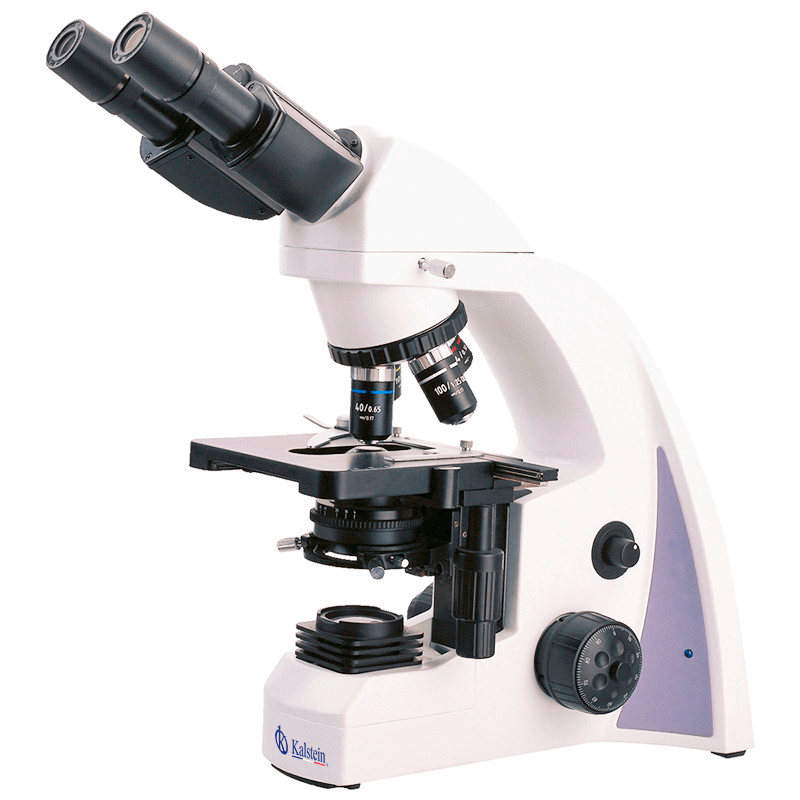
Profesjonaliści laboratoryjni muszą zapoznać się z tymi poziomami, aby określić odpowiednie protokoły bezpieczeństwa, osobiste środki ochrony (PPE) oraz praktyki laboratoryjne wymagane w ich specyficznych okolicznościach. Na przykład, praca z Mikroskopem Laboratoryjnym YR0237-1 do badania próbek na poziomie BSL-1 wymaga znacznie mniej środków ostrożności w porównaniu do obsługi Pipety do Obsługi Płynów YR03731-1 na poziomie BSL-4.
Wymagania dotyczące osobistych środków ochrony (PPE) dla operatorów laboratoryjnych
Wybór odpowiednich PPE jest kluczowy w ochronie personelu laboratoryjnego przed narażeniem na niebezpieczne materiały. Poziom wymaganych PPE jest bezpośrednio wpływany przez poziom biosafety laboratorium. Na poziomie BSL-1 podstawowe fartuchy laboratoryjne, rękawice i ochrona oczu mogą być wystarczające. Jednak na wyższych poziomach konieczne stają się pełne kombinezony, respiratory i inne zaawansowane środki ochrony.
Laboratoria muszą wdrożyć programy szkoleniowe dla personelu, aby zapewnić, że rozumieją, jak prawidłowo nosić i obsługiwać PPE. Obejmuje to wiedzę o tym, kiedy wymieniać sprzęt, jak dekontaminować miejsca pracy oraz zrozumienie procedur bezpiecznej utylizacji zanieczyszczonych materiałów.
Protokoły dekontaminacji: Kluczowe kroki dla bezpieczeństwa laboratoryjnego
Protokoły dekontaminacji są niezbędne do utrzymania bezpiecznego środowiska laboratoryjnego. Regularne czyszczenie i dekontaminacja powierzchni, sprzętu i materiałów zmniejszają ryzyko przypadkowego narażenia na szkodliwe czynniki. Należy ustalić i ściśle przestrzegać stosowania odpowiednich środków dezynfekujących oraz jasnego harmonogramu czyszczenia.
Na przykład, korzystając z pipet takich jak Pipety do Obsługi Cieczy YR03731-2, ważne jest, aby upewnić się, że są one dokładnie czyszczone po każdym użyciu, aby zapobiec kontaminacji między próbkami. Wprowadzenie listy kontrolnej do dekontaminacji może pomóc w śledzeniu niezbędnych zadań i zapewnieniu zgodności z normami bezpieczeństwa.
Macierze Oceny Ryzyka: Ocena i Zarządzanie Zagrożeniami w Laboratorium
Oceny ryzyka są niezbędne do identyfikacji potencjalnych zagrożeń w środowisku laboratoryjnym. Dzięki wykorzystaniu macierzy oceny ryzyka, profesjonaliści laboratoryjni mogą ocenić prawdopodobieństwo narażenia na różne ryzyka oraz ciężkość konsekwencji. Proces ten pomaga w skutecznym priorytetyzowaniu środków bezpieczeństwa i zasobów.
Na przykład, obsługa Mikroskopu Laboratoryjnego YR0237-0-1 wymaga innych ocen w porównaniu do korzystania z Pipet do Obsługi Cieczy YR03731-3 z powodu charakteru użycia każdego z urządzeń oraz poziomów biosafety. Systematyczne podejście do oceny ryzyka może znacznie poprawić ogólne bezpieczeństwo laboratorium i zgodność z przepisami.
Porównanie Dostępnych Modeli
| Model | Typ | Najlepsze dla | Cena (USD) |
|---|---|---|---|
| YR0237-0-1 | Mikroskop Laboratoryjny | Podstawowe badanie próbek | 437.00 |
| YR0237-1 | Mikroskop Laboratoryjny | Szczegółowa analiza z zaawansowaną optyką | 491.00 |
| YR0237-1-1 | Mikroskop Laboratoryjny | Kompleksowe badania biologiczne | 448.10 |
| YR03731-1 | Pipeta do Obsługi Cieczy | Precyzyjna obsługa cieczy | 13.00 |
| YR03731-2 | Pipeta do Obsługi Cieczy | Solidne i wszechstronne pipetowanie | 13.00 |
| YR03731-3 | Pipeta do Obsługi Cieczy | Wysokowydajny transfer cieczy | 13.00 |
Typowe Błędy i Jak Ich Unikać
W dążeniu do bezpieczeństwa i efektywności laboratorium, kilka powszechnych pułapek może prowadzić do wypadków lub niezgodności. Jednym z częstych błędów jest niewłaściwe użycie PPE, gdzie personel pomija konkretne wymagania dotyczące poziomu biosafety, w którym pracują.
Inny błąd polega na zaniedbaniu rutynowej konserwacji i kalibracji sprzętu laboratoryjnego, takiego jak pipety i mikroskopy. Regularne kontrole nie tylko zapewniają optymalną wydajność, ale także zmniejszają ryzyko kontaminacji lub nieprawidłowych wyników.
Aby uniknąć tych błędów, ciągłe szkolenie i przypomnienia o protokołach bezpieczeństwa oraz obsłudze sprzętu są niezbędne. Wprowadzenie kultury bezpieczeństwa w laboratorium może znacznie zminimalizować ryzyko i poprawić ogólną wydajność laboratorium.
Najczęściej Zadawane Pytania
Jakie protokoły biosafety powinienem przestrzegać podczas korzystania z Mikroskopu Laboratoryjnego YR0237-0-1?
Podczas korzystania z Mikroskopu Laboratoryjnego YR0237-0-1, przestrzegaj protokołów BSL-1, w tym noszenia podstawowego sprzętu ochrony osobistej, takiego jak rękawice i fartuchy laboratoryjne, oraz zapewnij dokładną dekontaminację powierzchni po użyciu, aby zminimalizować ryzyko narażenia.
Jak zapewnić prawidłową kalibrację Pipet do Obsługi Cieczy YR03731-1?
Aby zapewnić prawidłową kalibrację Pipet do Obsługi Cieczy YR03731-1, wdroż regularny harmonogram kalibracji oparty na częstotliwości użytkowania i stosuj się do wytycznych producenta dotyczących interwałów kalibracji i technik, aby zagwarantować dokładność.
Jakie są kluczowe środki bezpieczeństwa przy używaniu Mikroskopu Laboratoryjnego YR0237-1?
Podczas korzystania z Mikroskopu Laboratoryjnego YR0237-1, upewnij się, że wszyscy użytkownicy są przeszkoleni w zakresie środków bezpieczeństwa BSL-1, w tym odpowiedniego sprzętu ochrony osobistej, stosowania środków dekontaminujących oraz regularnej konserwacji sprzętu, aby zwiększyć bezpieczeństwo operacyjne.
Jak często powinny być wdrażane protokoły dekontaminacji w laboratorium?
Protokoły dekontaminacji powinny być wdrażane po każdym użyciu sprzętu, takiego jak Pipety do Obsługi Cieczy YR03731-2, a także na podstawie ustalonego harmonogramu, w zależności od działań laboratoryjnych, aby zapewnić konsekwentnie bezpieczne środowisko.
Jaki sprzęt ochrony osobistej jest niezbędny do obsługi próbek biologicznych z YR0237-1?
Podczas obsługi próbek biologicznych przy użyciu YR0237-1, niezbędny sprzęt ochrony osobistej obejmuje rękawice, fartuchy laboratoryjne i ochronę oczu. Dodatkowy sprzęt może być konieczny w zależności od poziomu biosafety próbek, które są obsługiwane.
Który model pipety jest najlepszy do precyzyjnego podawania cieczy?
Do precyzyjnego podawania cieczy, Pipety do Obsługi Cieczy YR03731-3 są idealne, oferując dokładność ±1.0% i zapewniając wiarygodne wyniki w różnych zastosowaniach laboratoryjnych, szczególnie w wrażliwych eksperymentach.
Jak matryce oceny ryzyka mogą poprawić bezpieczeństwo w laboratorium?
Macierze oceny ryzyka pomagają zidentyfikować i priorytetyzować ryzyka związane z działalnością laboratoryjną, umożliwiając skuteczniejsze wdrażanie środków i protokołów bezpieczeństwa. Podejście to jest kluczowe dla laboratoriów wykorzystujących modele takie jak YR0237-1 lub YR03731-1.
Jak wybrać odpowiedni sprzęt laboratoryjny do zgodności z biosafety?
Wybór odpowiedniego sprzętu laboratoryjnego do zgodności z biosafety polega na ocenie wymagań poziomu biosafety i wyborze modeli, które spełniają te standardy. Na przykład, użycie Mikroskopu Laboratoryjnego YR0237-0-1 do zgodności z BSL-1 zapewnia odpowiednie środki bezpieczeństwa.
Jeśli szukasz połączenia innowacji i jakości, trafiłeś we właściwe miejsce. W Kalstein oferujemy Ci luksus odkrywania naszego ekskluzywnego katalogu sprzętu laboratoryjnego. Każde urządzenie produkujemy zgodnie z najwyższymi standardami doskonałości. Nasze intuicyjne i bezproblemowe kanały zakupowe online są zaprojektowane z myślą o Twojej wygodzie, zapewniając najkonkurencyjniejsze ceny. Nie wahaj się dłużej — przywracamy naukę do życia, czas stać się częścią naszej społeczności.