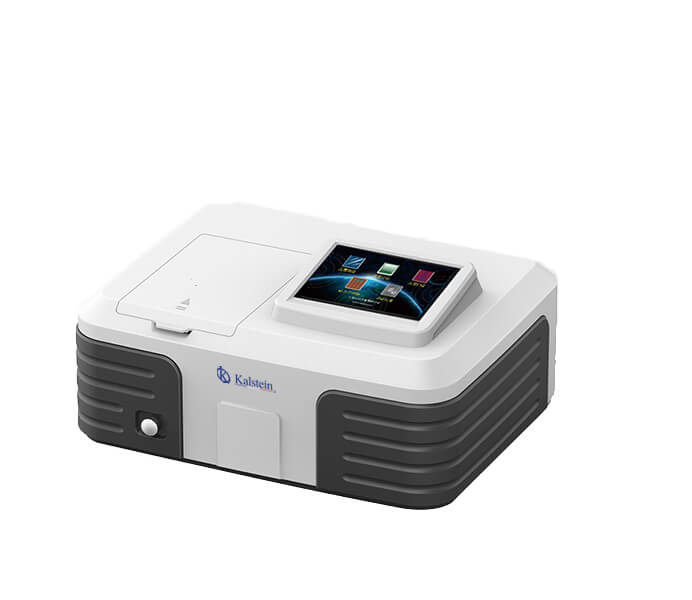
Zrozumienie ROI i analizy kosztów i korzyści dla spektrofotometrów podwójno-beamowych
Spektrofotometry podwójno-beamowe odgrywają kluczową rolę w analizie laboratoryjnej, dostarczając precyzyjnych pomiarów absorpcji światła w próbkach. Artykuł ten zgłębia temat ROI (zwrot z inwestycji) oraz analizy kosztów i korzyści, szczególnie w odniesieniu do spektrofotometrów podwójno-beamowych, oferując wgląd w ich opłacalność ekonomiczną i efektywność w warunkach laboratoryjnych.
Ustalenie celu: ROI i analiza kosztów i korzyści w laboratoriach
Znaczenie kompleksowej analizy ROI i kosztów i korzyści nie może być przeceniane przy wyborze sprzętu laboratoryjnego, takiego jak spektrofotometry podwójno-beamowe. Zrozumienie tych wskaźników finansowych pozwala laboratoriom podejmować świadome decyzje, optymalizując swoje inwestycje dla maksymalnej wydajności i minimalnych kosztów operacyjnych. Analizując te czynniki, laboratoria mogą ocenić potencjał oszczędności kosztów i poprawy funkcjonalności, co ostatecznie prowadzi do zwiększenia efektywności operacyjnej.
Porównanie dostępnych modeli
| Model | CAPEX (USD) | Koszt za test (USD) | Okres zwrotu (miesiące) | Zalecany scenariusz |
|---|---|---|---|---|
| YR01858 | 2500.00 | 0.50 | 6 | Standardowe operacje laboratoryjne |
| YR01862 | 3150.00 | 0.60 | 8 | Instytucje badawcze potrzebujące wysokiej precyzji |
| YR01862-1 | 3550.00 | 0.55 | 7 | Zaawansowana analiza dla krytycznych zastosowań |
| YR01862-2 | 3380.00 | 0.65 | 9 | Analiza złożonych próbek |
| YR01864 | 3080.00 | 0.58 | 6 | Rutynowa analiza z umiarkowanym wolumenem próbek |
| YR01865 | 3440.00 | 0.62 | 8 | Laboratoria o wysokiej przepustowości |
Znaczenie ROI w sprzęcie laboratoryjnym
ROI to kluczowy wskaźnik, który pomaga laboratoriom ocenić finansową skuteczność ich inwestycji. W przypadku spektrofotometrów podwójno-beamowych polega to na obliczeniu oczekiwanych zwrotów w stosunku do całkowitych poniesionych kosztów. Na ROI wpływa wiele czynników, w tym cena zakupu, koszty operacyjne oraz oczekiwana żywotność sprzętu. Zrozumienie tych komponentów pozwala menedżerom laboratoriów określić, jak szybko ich inwestycja się zwróci, co jest istotne dla planowania budżetu i alokacji zasobów.
Analiza kosztów i korzyści: Szczegółowe podejście
Analiza kosztów i korzyści zapewnia metodyczne podejście do oceny ekonomicznych zalet i wad zakupu spektrofotometrów podwójno-beamowych. Analiza ta obejmuje koszty bezpośrednie, takie jak cena zakupu i konserwacja, a także koszty pośrednie, takie jak szkolenie i potencjalny czas przestoju. Kwantyfikując te czynniki, laboratoria mogą podejmować świadome decyzje dotyczące tego, w jaki model zainwestować, w oparciu o ich specyficzne potrzeby i oczekiwany zwrot finansowy.
Maksymalizacja wydajności dzięki spektrofotometrom podwójno-beamowym
Maksymalizacja wydajności jest kluczowa w laboratoriach. Spektrofotometry podwójno-beamowe, takie jak model YR01862, oferują funkcje, które usprawniają operacje, takie jak detekcja podwójnego promienia, co zmniejsza marginesy błędu i zwiększa stabilność. Korzystając z urządzeń, które minimalizują wahania i maksymalizują precyzję, laboratoria mogą osiągnąć wyższy przepust, co poprawia ROI i ogólną efektywność kosztową.
Rozważania dotyczące kosztów operacyjnych
Koszty operacyjne mogą znacząco wpłynąć na ogólną opłacalność spektrofotometrów podwójno-beamowych. Koszty obejmują nie tylko materiały eksploatacyjne i odczynniki, ale także zużycie energii i konserwację niezbędną do utrzymania sprzętu w optymalnym stanie. Na przykład model YR01864 jest zaprojektowany z energooszczędnymi komponentami, które mogą obniżyć wydatki na energię elektryczną, przyczyniając się do lepszego stosunku kosztów do korzyści w dłuższej perspektywie.
Przewaga porównawcza różnych modeli
Wybierając spektrofotometr podwójno-beamowy, kluczowe jest porównanie zalet różnych modeli. Na przykład model YR01862 oferuje zaawansowane funkcje do analizy o wysokiej precyzji, podczas gdy model YR01864 zapewnia opłacalne rozwiązanie do rutynowych analiz. Każdy model odpowiada różnym potrzebom operacyjnym, a zrozumienie tych niuansów może pomóc w dokonaniu wyboru, który jest zgodny z celami finansowymi laboratorium.
Typowe błędy i jak ich unikać
Laboratoria często wpadają w pułapkę niedoszacowania całkowitych kosztów posiadania przy wyborze spektrofotometrów. Typowe błędy obejmują ignorowanie długoterminowych kosztów operacyjnych, wydatków na konserwację oraz krzywej uczenia się związanej z nowym sprzętem. Ważne jest, aby przeprowadzić dokładną analizę i uwzględnić pełne koszty cyklu życia każdego modelu, takiego jak YR01865, aby uniknąć kosztownych przyszłych korekt.
Najczęściej zadawane pytania
Jakie czynniki powinienem wziąć pod uwagę przy obliczaniu ROI dla spektrofotometru podwójno-beamowego?
Obliczając ROI dla spektrofotometru podwójno-beamowego, takiego jak YR01858, weź pod uwagę początkowe wydatki kapitałowe, koszty operacyjne i oczekiwaną żywotność. Pozwoli to laboratoriom skutecznie prognozować okres zwrotu, zapewniając mądrą inwestycję.
Jak analiza kosztów i korzyści może poprawić wydajność mojego laboratorium?
Analiza kosztów i korzyści pomaga zidentyfikować najbardziej ekonomicznie opłacalny model, taki jak YR01862, poprzez porównanie kosztów z oczekiwanymi zyskami z efektywności operacyjnej. Takie podejmowanie decyzji zwiększa produktywność i rentowność laboratorium.
Jaki jest średni okres zwrotu inwestycji dla różnych modeli spektrofotometrów podwójnej wiązki?
Średni okres zwrotu inwestycji może się różnić; na przykład YR01864 ma okres zwrotu wynoszący około 6 miesięcy, podczas gdy YR01862 może zająć około 8 miesięcy. Zrozumienie tych wskaźników jest kluczowe dla planowania budżetu.
Jak obliczyć koszt na test dla spektrofotometru podwójnej wiązki?
Aby obliczyć koszt na test, podziel całkowite wydatki operacyjne przez liczbę testów przeprowadzanych rocznie. Na przykład, przy koszcie YR01862 wynoszącym 0,60 USD za test, ten wskaźnik pomaga w prognozowaniu finansowym.
Jakie zalety oferuje spektrofotometr podwójnej wiązki w porównaniu do modeli z pojedynczą wiązką?
Spektrofotometry podwójnej wiązki, takie jak YR01858, minimalizują wahania spowodowane czynnikami środowiskowymi. To prowadzi do większej dokładności i niezawodności, które są kluczowe dla wyników laboratoryjnych i zarządzania kosztami.
Który spektrofotometr podwójnej wiązki jest najlepszy do analizy o wysokiej przepustowości?
Model YR01865 jest specjalnie zaprojektowany do laboratoriów o wysokiej przepustowości, z funkcjami, które zwiększają szybkość i efektywność. Inwestowanie w takie modele może znacznie poprawić przepływ pracy i skrócić czas operacyjny.
Jak zużycie energii wpływa na wybór spektrofotometru podwójnej wiązki?
Zużycie energii jest kluczowym czynnikiem w całkowitym koszcie posiadania. Modele takie jak YR01864 są zaprojektowane z myślą o efektywności energetycznej, co może prowadzić do znacznych oszczędności i lepszej ogólnej analizy kosztów i korzyści dla laboratorium.
Jaką rolę odgrywa konserwacja w analizie kosztów i korzyści spektrofotometrów?
Koszty utrzymania mogą znacząco wpłynąć na całkowite wydatki związane z spektrofotometrem podwójnym. Zrozumienie tych kosztów, szczególnie dla modeli takich jak YR01862, jest niezbędne do dokładnej analizy kosztów i korzyści oraz zapewnienia długoterminowej opłacalności.
Jeśli szukasz połączenia innowacji i jakości, trafiłeś we właściwe miejsce. W Kalstein oferujemy Ci luksus odkrywania naszego ekskluzywnego katalogu sprzętu laboratoryjnego. Każde urządzenie produkujemy zgodnie z najwyższymi standardami doskonałości. Nasze intuicyjne i bezproblemowe kanały zakupu online są zaprojektowane z myślą o Twojej wygodzie, zapewniając najbardziej konkurencyjne ceny. Nie wahaj się dłużej — wprowadzamy naukę w życie, czas stać się częścią naszej społeczności.