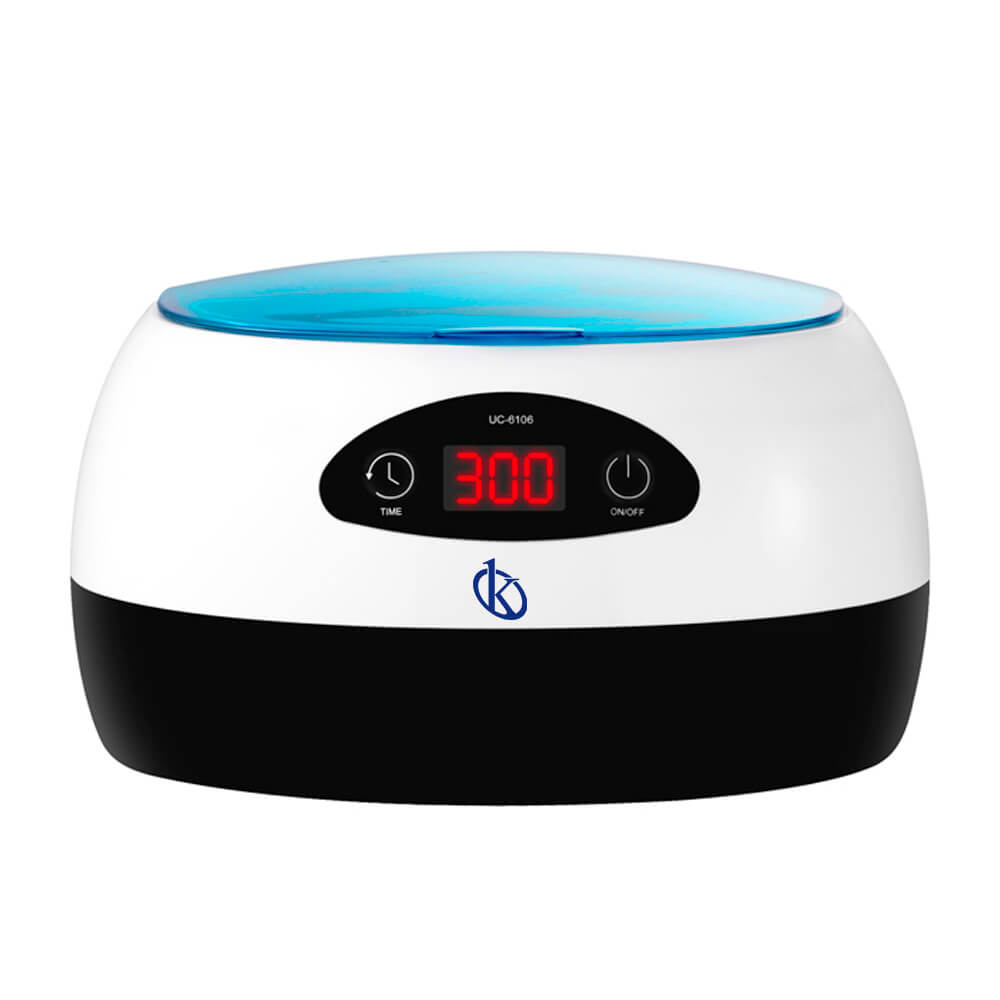
Protokoły biosafety i zarządzanie bezpiecznymi operatorami dla cyfrowych ultradźwiękowych czyścików biurkowych
W warunkach laboratoryjnych zapewnienie biosafety i odpowiedniego zarządzania operatorami jest kluczowe przy korzystaniu z cyfrowych ultradźwiękowych czyścików biurkowych. Urządzenia te są niezbędne do utrzymania czystości i sterylności narzędzi i sprzętu laboratoryjnego; jednak bez przestrzegania ustalonych protokołów mogą stanowić zagrożenie zarówno dla użytkownika, jak i dla integralności instrumentów. Artykuł ten zgłębi skuteczne praktyki biosafety oraz bezpieczne zarządzanie operatorami, dostosowane specjalnie do użycia czyścików ultradźwiękowych.
Zrozumienie poziomów biosafety i protokołów
Poziomy biosafety (BSL) są kluczowe w laboratoriach, aby zapobiegać zanieczyszczeniom i zapewniać bezpieczeństwo personelu. Odpowiedni poziom BSL dla operacji związanych z czyścikami ultradźwiękowymi zazwyczaj waha się od BSL-1 do BSL-2, w zależności od materiałów, które są czyszczone. BSL-1 oznacza obsługę dobrze scharakteryzowanych czynników, które nie są znane z powodowania chorób u zdrowych ludzi, podczas gdy BSL-2 obejmuje te, które mogą powodować choroby, ale są zarządzalne przy użyciu standardowych praktyk bezpieczeństwa.
Obsługa czyścika ultradźwiękowego, takiego jak YR05231, wymaga zrozumienia tych poziomów biosafety, aby wdrożyć niezbędne protokoły. Operatorzy powinni nosić odpowiednie środki ochrony osobistej (PPE), w tym rękawice, gogle i fartuchy laboratoryjne, aby zminimalizować narażenie. Ponadto, utrzymanie czystego miejsca pracy i przestrzeganie procedur dekontaminacji po użyciu jest kluczowe dla utrzymania standardów bezpieczeństwa.
Szkolenie i zarządzanie operatorami
Skuteczne zarządzanie operatorami obejmuje kompleksowe szkolenie w zakresie korzystania z czyścików ultradźwiękowych, w tym zrozumienie specyficznych funkcji różnych modeli, takich jak YR05230 i YR05232. Szkolenie powinno obejmować procedury operacyjne, potencjalne zagrożenia i protokoły awaryjne. Regularne kursy odświeżające są niezbędne, aby utrzymać wysoki poziom świadomości bezpieczeństwa wśród operatorów.
Dodatkowo, wdrożenie systemu zarządzania użytkownikami może ułatwić lepszy nadzór. Obejmuje to planowanie czasów użytkowania, monitorowanie potrzeb konserwacyjnych oraz rejestrowanie wszelkich incydentów lub bliskich wypadków. Odpowiednie zarządzanie tym, kto korzysta z czyścika ultradźwiękowego i kiedy, może pomóc zminimalizować ryzyko związane z wspólnym sprzętem.
Skuteczne protokoły czyszczenia dla czyścików ultradźwiękowych
Każdy model myjki ultradźwiękowej, taki jak YR05229 i YR05230, działa optymalnie w określonych protokołach czyszczenia. Aby zapewnić skuteczną dekontaminację, istotne jest przestrzeganie wytycznych producenta dotyczących rodzaju roztworu czyszczącego, temperatury i czasu trwania cyklu czyszczenia. Na przykład, używając YR05232 do czyszczenia biżuterii, kluczowe jest stosowanie środków czyszczących, które nie są korozyjne i nie uszkadzają delikatnych materiałów.
Co więcej, dokumentowanie cykli czyszczenia i używanych roztworów może zwiększyć śledzenie i odpowiedzialność w procedurach laboratoryjnych. Taka dokumentacja nie tylko pomaga w zgodności z normami laboratoryjnymi, ale także wspiera identyfikację wszelkich problemów związanych z wydajnością sprzętu w czasie.
Porównanie dostępnych modeli
| Model | Pojemność zbiornika (L) | Moc (W) | Częstotliwość ultradźwiękowa (KHz) | Najlepsze do |
|---|---|---|---|---|
| YR05231 | 0.75 | 50 | 42 | Czyszczenie biżuterii |
| YR05232 | 1.4 | 60 | 40 | Dom i biżuteria |
| YR05229 | 0.6 | 50 | 42 | Czyszczenie soczewek |
| YR05230 | 2.5 | 60 | 42 | Użycie dentystyczne i kliniczne |
Typowe błędy i jak ich unikać
Jednym z częstych błędów popełnianych przez operatorów myjek ultradźwiękowych jest zaniedbywanie znaczenia stosowania odpowiedniego roztworu czyszczącego. Używanie niewłaściwych roztworów może prowadzić do uszkodzenia sprzętu i nieskutecznych procesów czyszczenia. Każdy model, taki jak YR05231, ma konkretne zalecenia dotyczące środków czyszczących, których należy przestrzegać, aby uzyskać optymalne wyniki.
Kolejnym powszechnym niedopatrzeniem jest brak regularnej konserwacji i kalibracji myjek ultradźwiękowych. Operatorzy powinni ustalić rutynowy harmonogram konserwacji, aby zapewnić prawidłowe działanie całego sprzętu i wydłużyć żywotność maszyn.
Najczęściej zadawane pytania
Jakie są najlepsze praktyki biosafety podczas używania cyfrowych myjek ultradźwiękowych na biurku?
Wdrażanie najlepszych praktyk biosafety obejmuje noszenie odpowiedniego PPE, skuteczne szkolenie operatorów oraz przestrzeganie protokołów czyszczenia specyficznych dla modeli takich jak YR05230. Przestrzeganie wytycznych BSL podczas pracy pomaga zminimalizować ryzyko związane z zanieczyszczeniem.
Jak mogę zapewnić bezpieczne zarządzanie operatorami myjek ultradźwiękowych w laboratorium?
Zapewnienie bezpiecznego zarządzania operatorami obejmuje regularne sesje szkoleniowe, korzystanie z systemu harmonogramowania dostępu do sprzętu oraz dokumentowanie praktyk użytkowania. Dotyczy to wszystkich modeli, w tym YR05232, aby skutecznie utrzymać protokoły bezpieczeństwa.
Jakie środki czyszczące są zalecane do ultradźwiękowego czyścika YR05231?
Ultradźwiękowy czyścik YR05231 najlepiej działa z niekorozyjnymi środkami czyszczącymi odpowiednimi do biżuterii i podobnych przedmiotów. Przestrzeganie wytycznych producenta zapewnia skuteczne czyszczenie przy jednoczesnej ochronie urządzenia.
Jak częstotliwość ultradźwiękowa wpływa na efektywność czyszczenia w modelach takich jak YR05230?
Częstotliwość ultradźwiękowa znacząco wpływa na efektywność czyszczenia, przy czym YR05230 działa na 42 KHz, co zapewnia głębsze wnikanie w zanieczyszczenia. Ta częstotliwość optymalnie czyści narzędzia dentystyczne i biżuterię, nie uszkadzając ich.
Jakie protokoły konserwacji należy przestrzegać dla cyfrowych ultradźwiękowych czyścików biurkowych?
Regularna konserwacja powinna obejmować czyszczenie zbiornika, sprawdzanie uszczelek i weryfikację funkcji ultradźwiękowej. Na przykład YR05232 wymaga okresowych kontroli, aby zapewnić skuteczne działanie i wydłużyć jego użyteczność.
Jak często należy kalibrować ultradźwiękowe czyściki dla dokładnej wydajności?
Kalibracja powinna odbywać się przynajmniej raz w roku lub częściej, jeśli występuje znaczne użytkowanie. Zapewnienie, że modele takie jak YR05229 są skalibrowane, gwarantuje, że działają zgodnie z oczekiwaniami, prowadząc do spójnych wyników czyszczenia.
Jakie są ryzyka niewłaściwego użycia ultradźwiękowych czyścików w laboratoriach?
Niewłaściwe użycie może prowadzić do rozprzestrzenienia zanieczyszczeń, uszkodzenia sprzętu, a nawet obrażeń osobistych. Przestrzeganie zalecanych praktyk dla każdego modelu, takiego jak YR05230, może pomóc w złagodzeniu tych ryzyk.
Jaki jest wpływ rozmiaru ultradźwiękowego czyścika na operacje laboratoryjne?
Rozmiar ultradźwiękowego czyścika może znacząco wpływać na operacje laboratoryjne. Na przykład większy zbiornik YR05230 pomieści więcej sprzętu, co optymalizuje przepustowość i efektywność w zajętych laboratoriach.
Jeśli szukasz połączenia innowacji i jakości, trafiłeś we właściwe miejsce. W Kalstein oferujemy Ci luksus odkrywania naszego ekskluzywnego katalogu sprzętu laboratoryjnego. Każde urządzenie produkujemy zgodnie z najwyższymi standardami doskonałości. Nasze intuicyjne i bezproblemowe kanały zakupu online są zaprojektowane z myślą o Twojej wygodzie, zapewniając najbardziej konkurencyjne ceny. Nie wahaj się dłużej — wprowadzamy naukę w życie, czas stać się częścią naszej społeczności.