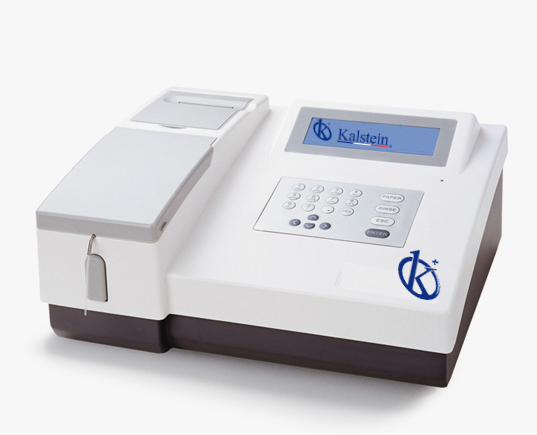
Protokoły bioasekuracji i bezpieczne obsługiwanie operatorów dla analizatorów chemicznych
W szybko rozwijającym się krajobrazie technologii laboratoryjnej, protokoły bioasekuracji i bezpieczne obsługiwanie operatorów stały się kluczowe, szczególnie podczas korzystania z analizatorów chemicznych. W miarę jak laboratoria stają w obliczu rosnących regulacji i konieczności ochrony zarówno personelu, jak i środowiska, zrozumienie, jak wdrażać skuteczne protokoły, jest niezbędne. Artykuł ten zagłębi się w konkretne praktyki, koncentrując się na różnych modelach analizatorów chemicznych i ich zgodności z protokołami bioasekuracji.
Znaczenie bioasekuracji w analizie chemicznej
Bioasekuracja w analizie chemicznej polega na wdrażaniu procedur mających na celu minimalizację ryzyka dla personelu laboratoryjnego, środowiska i integralności wyników. W miarę jak laboratoria zajmują się różnymi chemikaliami i zagrożeniami biologicznymi, kompleksowe zrozumienie protokołów bezpieczeństwa — w tym osobistego sprzętu ochronnego (PPE), utylizacji odpadów i procedur awaryjnych — jest kluczowe. Zastosowanie tych protokołów zapewnia zgodność z wymaganiami regulacyjnymi, takimi jak ISO/IEC 17025, które nakładają określone środki bezpieczeństwa operacyjnego.
Kluczowe protokoły bioasekuracji dla analizatorów chemicznych
Osobisty sprzęt ochronny (PPE)
PPE jest niezbędny do ochrony personelu laboratoryjnego przed narażeniem na niebezpieczne chemikalia. Obejmuje to rękawice, gogle, fartuchy laboratoryjne, a czasami sprzęt oddechowy. Każdy model, taki jak YR06075 Automatyczny Analizator Chemiczny, może narażać użytkowników na różne chemikalia, co sprawia, że PPE jest nieodłącznym elementem protokołów bioasekuracji.
Kontrola aerozoli
Kontrolowanie aerozoli generowanych podczas pracy analizatorów chemicznych jest kluczowe dla minimalizacji narażenia. Wdrażanie strategii kontroli, takich jak używanie wyciągów lub urządzeń do kontroli aerozoli, zwiększa bezpieczeństwo. YR05115 Półautomatyczny Analizator Chemiczny, na przykład, ma cechy konstrukcyjne, które ułatwiają bezpieczniejsze operacje poprzez redukcję produkcji aerozoli.
Protokoły utylizacji odpadów
Właściwa utylizacja odpadów chemicznych jest kluczowym elementem bioasekuracji. Laboratoria muszą przestrzegać lokalnych regulacji i wytycznych dotyczących utylizacji odpadów niebezpiecznych. YR06078 Półautomatyczny Analizator Chemiczny umożliwia efektywne zarządzanie produktami odpadowymi, wprowadzając funkcje, które pomagają śledzić i minimalizować odpady generowane podczas analizy.
Zgodność z regulacjami i standardami
Laboratoria wykorzystujące analizatory chemiczne muszą przestrzegać różnych międzynarodowych standardów, aby zapewnić bezpieczeństwo i kontrolę jakości. Certyfikaty takie jak ISO 17025 określają wymagania dla laboratoriów testowych i kalibracyjnych, podkreślając potrzebę dokumentowanych procedur, protokołów konserwacji i szkolenia operatorów. Przestrzeganie tych standardów nie tylko chroni personel laboratoryjny, ale także zwiększa wiarygodność wyników laboratorium.
Porównanie dostępnych modeli
| Model | Kluczowe cechy | Najlepsze dla |
|---|---|---|
| YR05115 | 5-calowy kolorowy wyświetlacz LCD, półautomatyczny, obsługuje tryby kuwet i komór przepływowych | Ogólna analiza chemiczna w kompaktowej konfiguracji |
| YR05114 | 5-calowy kolorowy wyświetlacz LCD, 80 wstępnie zaprogramowanych testów, ekran dotykowy | Wszechstronne testowanie z przyjaznym interfejsem |
| YR06092 | Przenośny design, regulacja temperatury | Analiza w terenie i zastosowania przenośne |
| YR06075 | Automatyczna obsługa, 560 testów/godzinę, zaawansowany system mycia | Laboratoria o wysokiej wydajności |
| YR05116 | System Windows, wyświetlanie krzywej w czasie rzeczywistym, regulowana długość fali | Zaawansowane zadania analityczne wymagające elastyczności |
| YR06078 | 7 długości fal, ekran dotykowy LCD, duża pojemność pamięci | Ekonomiczne testowanie z wieloma protokołami |
Typowe błędy i jak ich unikać
Ignorowanie regularnej kalibracji
Jednym z najczęstszych błędów w obsłudze analizatorów chemicznych jest ignorowanie regularnej kalibracji. Kalibracja zapewnia dokładność i niezawodność wyników testów. W przypadku modeli takich jak YR06075, przestrzeganie ścisłego harmonogramu kalibracji jest niezbędne do utrzymania zgodności z normami ISO.
Niewłaściwe obchodzenie się z chemikaliami
Niewłaściwe obchodzenie się z chemikaliami może prowadzić do niebezpiecznych sytuacji. Szkolenie operatorów w zakresie poprawnych technik obchodzenia się z odczynnikami chemicznymi jest kluczowe. Na przykład model YR05114 ma określone protokoły, które prowadzą użytkowników w zakresie bezpiecznego obchodzenia się z odczynnikami.
Najczęściej zadawane pytania
Jakie są protokoły bioasekuracji dla bezpiecznej obsługi analizatorów chemicznych?
Protokoły bioasekuracji dla bezpiecznej obsługi analizatorów chemicznych obejmują stosowanie odpowiednich środków ochrony osobistej, prawidłowe zarządzanie odpadami chemicznymi oraz stosowanie metod ograniczania aerozoli. Na przykład, półautomatyczny analizator chemiczny YR06078 ma skuteczne elementy konstrukcyjne, które pomagają zminimalizować ryzyko.
Jak zapewnić zgodność z ISO 17025 dla analizatorów chemicznych?
Aby zapewnić zgodność z ISO 17025, laboratoria muszą dokumentować procedury, regularnie konserwować sprzęt i szkolić operatorów. Modele takie jak automatyczny analizator chemiczny YR06075 wymagają przestrzegania tych protokołów dla niezawodnej wydajności.
Jakie szkolenie jest konieczne do bezpiecznej obsługi analizatorów chemicznych?
Szkolenie do obsługi analizatorów chemicznych powinno obejmować użycie środków ochrony osobistej, zrozumienie zagrożeń chemicznych oraz prawidłowe obchodzenie się z urządzeniami. Na przykład, użytkownicy modelu YR05115 powinni być dobrze zaznajomieni z jego specyficznymi wytycznymi operacyjnymi, aby zwiększyć bezpieczeństwo.
Jak często należy kalibrować analizatory chemiczne?
Analizatory chemiczne powinny być kalibrowane regularnie, zazwyczaj zgodnie z wytycznymi producenta lub przynajmniej raz w roku. Dla przenośnego analizatora chemicznego YR06092 przestrzeganie harmonogramu kalibracji jest kluczowe dla utrzymania dokładności w analizach terenowych.
Jakie środki ochrony osobistej są wymagane podczas używania analizatorów chemicznych?
Środki ochrony osobistej wymagane podczas używania analizatorów chemicznych obejmują rękawice, fartuchy laboratoryjne, gogle ochronne, a czasami maski oddechowe. Modele takie jak YR05114 półautomatyczny analizator chemii wymagają od operatorów noszenia odpowiednich środków ochrony osobistej, aby zminimalizować narażenie na niebezpieczne substancje chemiczne.
Jakie są powszechne błędy w obsłudze analizatorów chemicznych?
Powszechne błędy obejmują zaniedbanie kalibracji, niewłaściwe obchodzenie się z chemikaliami oraz niewystarczające szkolenie operatorów. Prawidłowe przestrzeganie protokołów operacyjnych jest szczególnie ważne dla modeli takich jak YR06078 półautomatyczny analizator chemii.
Jak laboratoria mogą zmniejszyć odpady chemiczne podczas używania analizatorów?
Laboratoria mogą zmniejszyć odpady chemiczne poprzez optymalizację rozmiarów próbek, stosowanie efektywnych protokołów oraz wdrażanie systemów śledzenia odpadów. Model YR05115 ułatwia lepsze praktyki zarządzania odpadami, które są zgodne z normami bioasekuracji.
Podsumowanie
Zapewnienie bioasekuracji i bezpiecznego obchodzenia się w laboratoriach wykorzystujących analizatory chemiczne nie jest tylko najlepszą praktyką, ale również obowiązkiem prawnym. Od przestrzegania standardów takich jak ISO 17025 po wdrażanie skutecznych protokołów zarządzania odpadami, każdy aspekt odgrywa kluczową rolę w utrzymaniu bezpiecznego środowiska laboratoryjnego. Rozumiejąc możliwości i cechy różnych modeli, profesjonaliści laboratoryjni mogą podejmować świadome decyzje, które zwiększają zarówno bezpieczeństwo, jak i efektywność operacyjną. Jeśli szukasz połączenia innowacji i jakości, trafiłeś we właściwe miejsce. W Kalstein oferujemy Ci luksus odkrywania naszego ekskluzywnego katalogu sprzętu laboratoryjnego. Produkujemy każde urządzenie zgodnie z najwyższymi standardami doskonałości. Nasze intuicyjne i bezproblemowe kanały zakupu online są zaprojektowane z myślą o Twojej wygodzie, zapewniając najbardziej konkurencyjne ceny. Nie wahaj się dłużej — ożywiamy naukę, czas stać się częścią naszej społeczności.