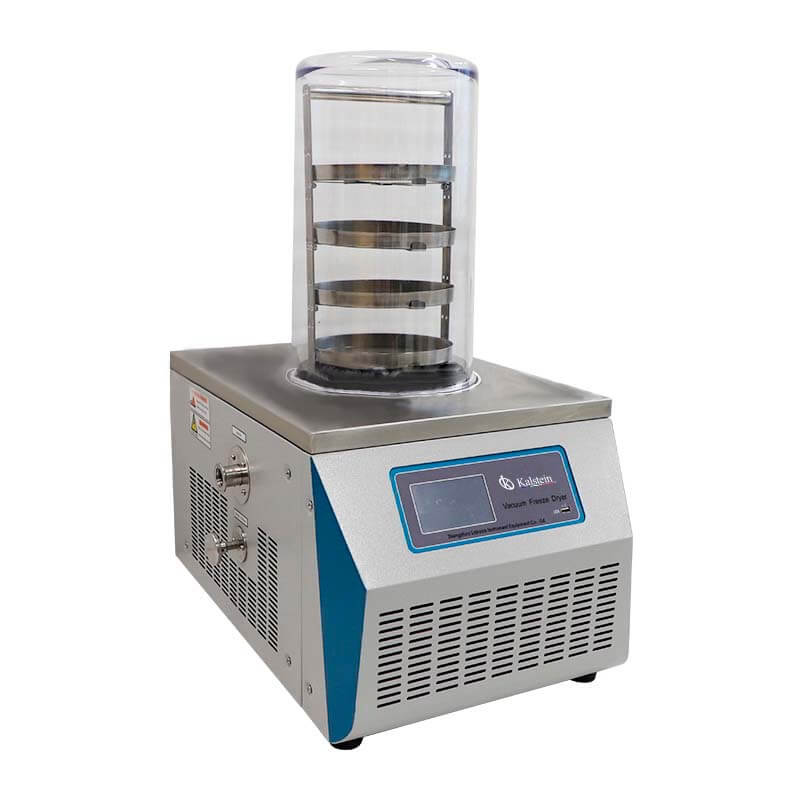
Predykcyjne utrzymanie i zalecana kalibracja dla laboratoryjnych suszarek próżniowych
Laboratoryjne suszarki próżniowe są niezbędnymi narzędziami w różnych dziedzinach, w tym w farmacji, konserwacji żywności i badaniach biologicznych. Zapewnienie optymalnej wydajności tych urządzeń jest kluczowe, a tutaj wchodzą w grę predykcyjne utrzymanie i regularna kalibracja. Artykuł ten zagłębia się w znaczenie tych praktyk, szczegóły każdego modelu w kategorii laboratoryjnych suszarek próżniowych oraz jak skutecznie wdrożyć strategie utrzymania.
Zrozumienie predykcyjnego utrzymania
Predykcyjne utrzymanie odnosi się do procesu monitorowania stanu sprzętu, aby zdecydować, kiedy należy przeprowadzić konserwację. Celem jest zmniejszenie prawdopodobieństwa awarii, co minimalizuje przestoje i koszty utrzymania. W przypadku laboratoryjnych suszarek próżniowych oznacza to regularne ocenianie wydajności systemu, w tym jego możliwości próżniowych i kontroli temperatury, aby zapobiec niespodziewanym awariom.
Kluczowe wskaźniki dla predykcyjnego utrzymania
W kontekście suszarek próżniowych ważnymi wskaźnikami są średni czas między awariami (MTBF) oraz średni czas naprawy (MTTR). Monitorowanie tych wskaźników pozwala laboratoriom dokładnie przewidzieć potrzeby w zakresie konserwacji i opracować harmonogram, który odpowiada wymaganiom operacyjnym.
Zalecane interwały kalibracji i standardy
Kalibracja jest kluczowym aspektem zapewnienia dokładności i niezawodności sprzętu laboratoryjnego, w tym suszarek próżniowych. Polega na dostosowywaniu i weryfikacji pomiarów urządzenia w odniesieniu do uznawanych standardów, aby utrzymać jego precyzję.
Częstotliwość kalibracji
Dla laboratoryjnych suszarek próżniowych zaleca się regularną kalibrację przynajmniej raz w roku, lub częściej, jeśli urządzenie jest intensywnie używane lub w krytycznych zastosowaniach. Zapewnia to, że sprzęt nadal działa w ramach pożądanych specyfikacji, szczególnie w odniesieniu do poziomów temperatury i próżni.
Standardy śledzone w kalibracji
Kalibracja musi być przeprowadzana przy użyciu standardów śledzonych uznawanych przez organizacje takie jak ISO 17025. Ta śledzenie zapewnia, że pomiary są spójne i niezawodne, co jest niezbędne w laboratoriach, gdzie dokładność jest kluczowa.
Porównanie dostępnych modeli
| Model | Obszar suszenia próżniowego | Pojemność skraplacza (L/24h) | Najlepsze dla | Cena (USD) |
|---|---|---|---|---|
| YR05186 | 0.12 m² | 3-4 | Długoterminowe przechowywanie materiałów biologicznych | 1780.00 |
| YR05187 | 0.08 m² | 3-4 | Eksperymenty laboratoryjne z mniejszymi próbkami | 1943.00 |
| YR05188 | 0.12 m² | 3-4 | Przechowywanie żywności i zastosowania farmaceutyczne | 2433.00 |
| YR05189 | 0.08 m² | 3-4 | Badania wymagające precyzji w kontroli próżni | 2596.00 |
| YR05189-1 | N/A | 3-4 | Specjalne wymagania laboratoryjne z określonymi potrzebami dotyczącymi fiolek | 2433.00 |
Typowe błędy i jak ich unikać
Laboratoria często napotykają kilka powszechnych pułapek podczas zarządzania stacjonarnymi suszarkami próżniowymi. Oto niektóre z błędów i strategie, aby ich uniknąć:
- Ignorowanie regularnej kalibracji: Kalibracja nie powinna być postrzegana jako opcjonalne zadanie. Ustal ścisły harmonogram oparty na użytkowaniu sprzętu i czynnikach środowiskowych.
- Ignorowanie wytycznych producenta: Zawsze konsultuj się z zaleceniami producenta dotyczącymi konserwacji i kalibracji, ponieważ każdy model może mieć unikalne wymagania.
- Pomijanie analizy danych: Wykorzystaj analizę danych do monitorowania trendów wydajności sprzętu, co może pomóc przewidzieć awarie, zanim się wydarzą.
Najczęściej zadawane pytania
Jaka jest zalecana częstotliwość kalibracji stacjonarnych suszarek laboratoryjnych?
Kalibracja stacjonarnych suszarek laboratoryjnych, takich jak YR05186, przynajmniej raz w roku jest niezbędna do utrzymania dokładności. Regularne kontrole mogą pomóc w wczesnym wykrywaniu odchyleń w wydajności, zapewniając zgodność z normami takimi jak ISO 17025.
Jak konserwacja predykcyjna może poprawić żywotność suszarek próżniowych?
Wdrożenie konserwacji predykcyjnej dla modeli takich jak YR05187 zapewnia, że potencjalne problemy są identyfikowane i rozwiązywane, zanim doprowadzą do awarii. Może to znacznie wydłużyć żywotność sprzętu.
Jakie są konsekwencje nieregularnej kalibracji suszarki próżniowej?
Nieprzeprowadzenie kalibracji suszarki próżniowej, takiej jak YR05188, może skutkować nieprawidłowymi ustawieniami temperatury, prowadząc do degradacji produktu i utraty istotnych cech biologicznych w czasie.
Jakie standardy należy przestrzegać przy kalibracji liofilizatorów?
Kalibracja liofilizatorów powinna być zgodna z standardami, które można śledzić, takimi jak ISO 17025. Modele takie jak YR05189 są zaprojektowane tak, aby spełniać te standardy, zapewniając niezawodne działanie w warunkach laboratoryjnych.
Jak konserwacja predykcyjna obniża koszty operacyjne laboratoriów?
Dzięki prognozowaniu potrzeb konserwacyjnych dla urządzeń takich jak YR05189-1, laboratoria mogą unikać kosztownych napraw i przestojów, co prowadzi do niższych kosztów operacyjnych w dłuższym okresie.
Jakie są kluczowe wskaźniki wydajności do monitorowania operacji liofilizatorów?
Kluczowe wskaźniki wydajności (KPI) takie jak MTBF i MTTR są kluczowe dla zarządzania operacjami liofilizatorów. Regularne monitorowanie zapewnia, że modele takie jak YR05186 działają skutecznie bez niespodziewanych awarii.
Jak kalibracja wpływa na wydajność liofilizatorów?
Regularna kalibracja bezpośrednio wpływa na wydajność liofilizatorów. Na przykład, YR05187 utrzymuje swoją wydajność i niezawodność dzięki konsekwentnej kalibracji, zapewniając skuteczne zachowanie próbek.
Jaką rolę odgrywa analiza danych w konserwacji predykcyjnej liofilizatorów?
Analiza danych jest kluczowa dla konserwacji predykcyjnej liofilizatorów, ponieważ pomaga identyfikować trendy i potencjalne problemy w modelach takich jak YR05188, co ostatecznie prowadzi do bardziej proaktywnych strategii zarządzania.
Jeśli szukasz połączenia innowacji i jakości, trafiłeś we właściwe miejsce. W Kalstein oferujemy Ci luksus eksploracji naszego ekskluzywnego katalogu sprzętu laboratoryjnego. Produkujemy każde urządzenie zgodnie z najwyższymi standardami doskonałości. Nasze intuicyjne i bezproblemowe kanały zakupu online są zaprojektowane z myślą o Twojej wygodzie, zapewniając najbardziej konkurencyjne ceny. Nie wahaj się dłużej — przywracamy naukę do życia, czas stać się częścią naszej społeczności.