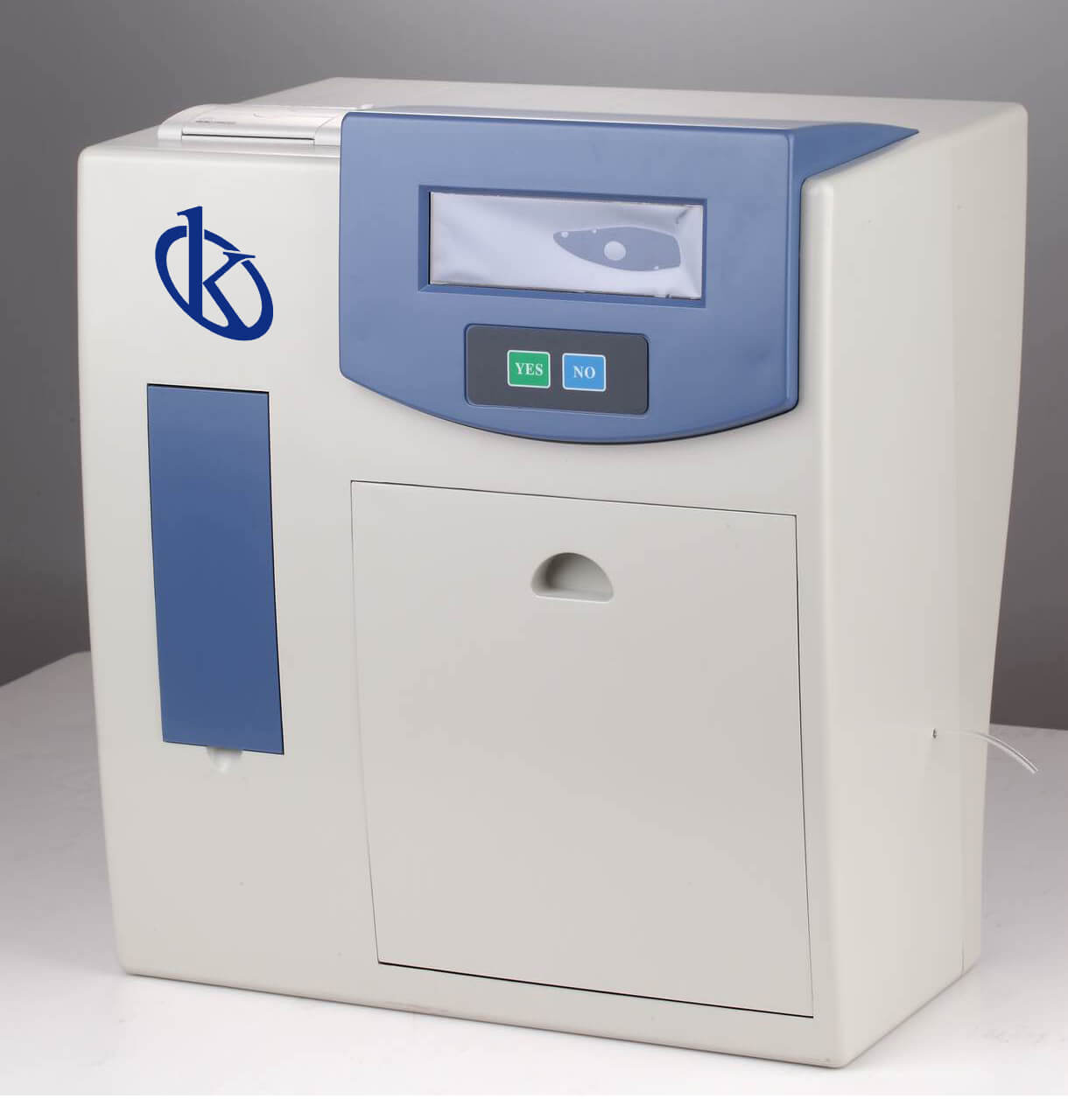
Predictive Maintenance and Recommended Calibration for Electrolyte Analyzers
In the fast-paced world of laboratory diagnostics, maintaining the accuracy and reliability of electrolyte analyzers is paramount. Predictive maintenance and regular calibration are essential practices that ensure the longevity and performance of these crucial devices. This article delves into the importance of these practices, using various models of electrolyte analyzers as examples, and provides laboratory professionals with in-depth insights into optimizing their operations.
The Role of Predictive Maintenance in Electrolyte Analyzers
Predictive maintenance involves using data-driven insights to predict potential failures before they occur. By leveraging advanced algorithms and historical data, laboratories can schedule timely maintenance, preventing unexpected downtimes and ensuring that electrolyte analyzers perform at their best.
Benefits of Regular Calibration for Electrolyte Analyzers
Calibration is a critical aspect of ensuring the accuracy of electrolyte analyzers. Regular calibration helps in maintaining compliance with international standards, ensuring reliable results. It involves adjusting the analyzer to a known standard, which corrects any deviations that may occur over time due to wear and tear or environmental factors.
Key Calibration Intervals and Predictive Maintenance Strategies
Establishing a calibration schedule based on the manufacturer's recommendations and usage patterns is crucial. Most electrolyte analyzers should undergo calibration at regular intervals, typically every 30 to 90 days, depending on usage. Predictive maintenance strategies can include monitoring the performance of analyzers in real-time, which helps in determining the optimal calibration frequency.
Comparison of Available Models
| Model | Key Features | Best for | Price (USD) |
|---|---|---|---|
| YR05169 | Automatic potential correction, real-time diagnostics, automatic two-point calibration | High-volume laboratories requiring precise measurements | 6797.50 |
| YR06391 | 7-inch color touchscreen, low operating costs, capable of analyzing up to six elements | Small to medium labs with budget constraints | 1250.00 |
| YR06392 | 7-inch color touchscreen, low operating costs, versatile sample types | Labs requiring flexibility in sample analysis | 1450.00 |
| YR06393 | Advanced ISE technology, capable of measuring multiple elements | Multi-purpose labs needing reliable results | 1650.00 |
| YR06394 | High accuracy, low maintenance, ideal for multiple sample types | High throughput environments | 1850.00 |
| YR06395 | Advanced ISE technology, 7-inch color touch interface | Labs wanting user-friendly operation | 2050.00 |
Common Mistakes and How to Avoid Them
Laboratories often overlook the importance of establishing a robust calibration schedule. One common mistake is neglecting to conduct routine maintenance, leading to unexpected failures and inaccurate readings. To avoid this, laboratories should integrate predictive analytics into their maintenance programs and ensure regular training for staff on the importance of calibration and maintenance.
Understanding Failure Modes and Their Impact on Calibration
Electrolyte analyzers can experience various failure modes, including electrode drift, contamination, and blockages. Recognizing these issues early through predictive maintenance can significantly reduce the impact on laboratory operations. Implementing a structured maintenance plan that includes regular checks and balances helps in minimizing these risks.
Calibration Plans and Best Practices
Creating a calibration plan involves understanding the specific requirements of each model and the laboratory's operational dynamics. Best practices include documenting calibration results, tracking performance metrics, and regularly reviewing the effectiveness of the calibration procedures in ensuring accurate measurements.
Frequently Asked Questions
How can predictive maintenance improve the reliability of electrolyte analyzers?
Predictive maintenance enhances the reliability of models like YR05169 by forecasting potential failures, thereby allowing labs to perform timely maintenance. This proactive approach minimizes downtime and ensures continuous accuracy in electrolyte measurements.
What calibration intervals are recommended for electrolyte analyzers?
Generally, electrolyte analyzers should be calibrated every 30 to 90 days. For example, models like YR06391 and YR06392 may require more frequent calibration if used extensively, ensuring consistent and accurate results.
How does regular calibration affect the cost of operating electrolyte analyzers?
Regular calibration, while initially seeming like an added cost, actually reduces long-term operational expenses. For instance, consistent calibration can prevent costly errors and equipment failures in models like YR06393, ultimately saving money in the lab.
What are the benefits of using the YR06395 electrolyte analyzer in predictive maintenance?
The YR06395 features advanced ISE technology that aids in real-time monitoring, making it easier to schedule predictive maintenance. This capability ensures that labs can maintain optimal performance while minimizing disruptions.
How do I choose the right electrolyte analyzer based on maintenance needs?
When selecting an electrolyte analyzer, consider models like YR05169 for high-volume labs needing minimal downtime. Analyze your lab's specific maintenance capabilities to determine which model best aligns with your requirements.
What role does user training play in maintaining electrolyte analyzers?
User training is essential for maintaining models like YR06394 and YR06395. Proper training helps staff understand the importance of calibration, leading to better compliance and fewer errors in laboratory results.
How can I integrate predictive maintenance into my laboratory workflow?
Integrating predictive maintenance requires implementing monitoring systems and regular performance assessments. By utilizing data from models like YR06391, labs can enhance operational efficiency and anticipate maintenance needs.
If you are looking for a fusion of innovation and quality, you have come to the right place. At Kalstein, we offer you the luxury of exploring our exclusive catalog of laboratory equipment. We manufacture every device to the highest standards of excellence. Our intuitive and seamless online purchasing channels are designed for your convenience, securing the most competitive prices. Hesitate no longer — we bring science to life, it is time to become part of our community.