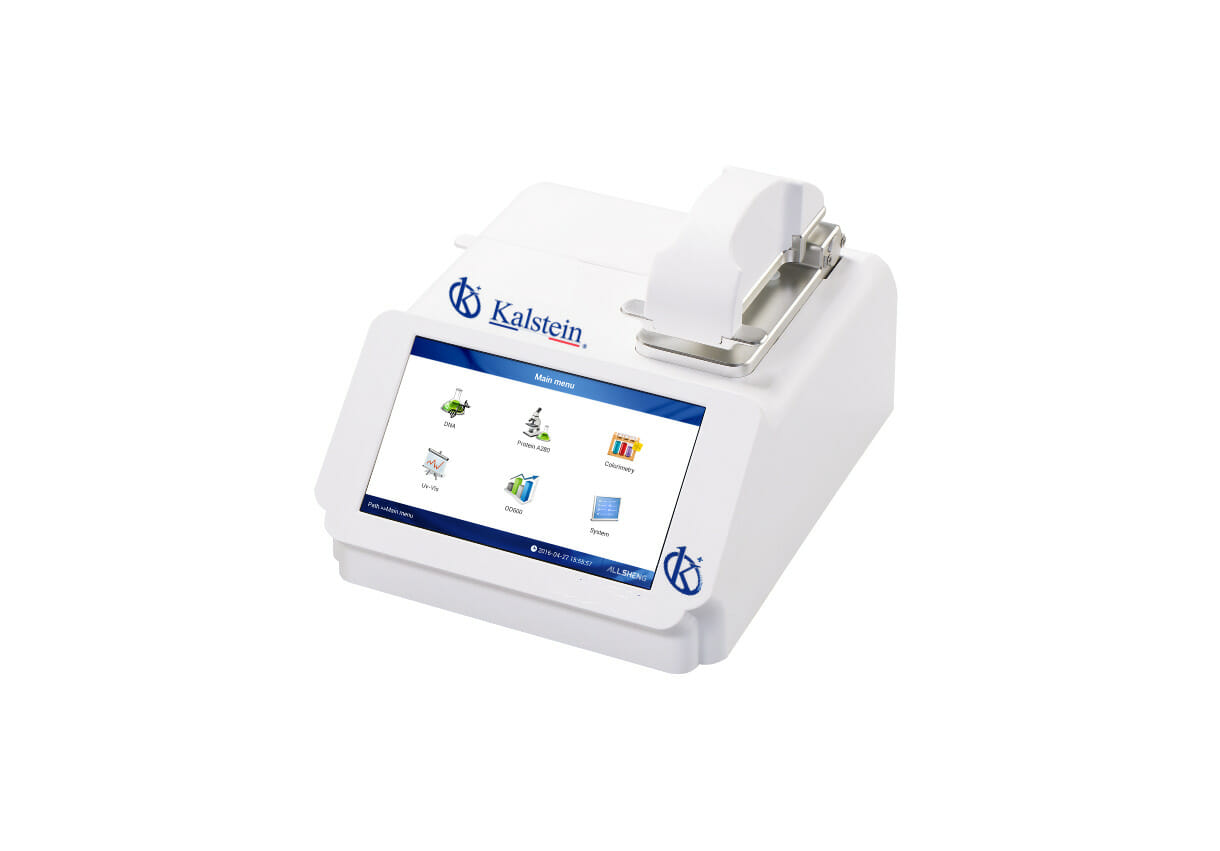
Maksymalizacja ROI i analiza kosztów i korzyści dla mikro-spektrofotometrów w laboratoriach
Mikro-spektrofotometry są niezbędnymi narzędziami w nowoczesnych laboratoriach, umożliwiającymi precyzyjne pomiary kwasów nukleinowych i białek w minimalnych objętościach próbek. Artykuł ten zbada kluczowe aspekty zwrotu z inwestycji (ROI) oraz analizy kosztów i korzyści, koncentrując się na tym, jak laboratoria mogą podejmować świadome decyzje zakupowe, maksymalizując efektywność i wydajność.
Zrozumienie roli mikro-spektrofotometrów w analizie kosztów i korzyści
Mikro-spektrofotometry, takie jak YR06033-1, YR06034, YR06035 i YR06033, zapewniają laboratoriom możliwość przeprowadzania dokładnych analiz przy użyciu tylko ułamka objętości próbki. Ta efektywność przekłada się na oszczędności kosztów zarówno w odczynnikach, jak i w pracy. Aby skutecznie ocenić ROI tych instrumentów, kluczowe jest spojrzenie na zarówno bezpośrednie, jak i pośrednie koszty związane z ich eksploatacją.
Bezpośrednie koszty
Bezpośrednie koszty obejmują cenę zakupu, konserwację i materiały eksploatacyjne związane z używaniem mikro-spektrofotometrów. Na przykład, YR06033-1 kosztuje 5040 USD, podczas gdy YR06034 kosztuje 2520 USD, a wysokiej klasy YR06035 to 6090 USD. Zrozumienie tych kosztów pomaga w określeniu początkowej inwestycji wymaganej oraz prognozowaniu długoterminowych wydatków, które przyczyniają się do ogólnego ROI.
Pośrednie koszty
Pośrednie koszty mogą również wpływać na ROI, w tym czas potrzebny na szkolenie personelu, przestoje związane z konserwacją oraz potencjalna utrata wydajności w tych okresach. Analizując te czynniki, laboratoria mogą lepiej określić rzeczywisty koszt posiadania różnych modeli mikro-spektrofotometrów.
Porównanie dostępnych modeli
| Model | Cena zakupu (USD) | Koszt na test (USD) | Okres zwrotu (miesiące) | Zalecany scenariusz |
|---|---|---|---|---|
| YR06033-1 | 5040.00 | 0.50 | 12 | Laboratoria o wysokiej przepustowości wymagające precyzyjnej kwantyfikacji kwasów nukleinowych |
| YR06034 | 2520.00 | 0.30 | 10 | Małe laboratoria koncentrujące się na ocenie czystości kwasów nukleinowych |
| YR06035 | 6090.00 | 0.60 | 15 | Zaawansowane badania wymagające wielofunkcyjnych możliwości |
| YR06033 | 7500.00 | 0.70 | 18 | Laboratoria potrzebujące solidnej wydajności do różnych zastosowań |
Kluczowe czynniki wpływające na ROI w mikro-spektrofotometrach laboratoryjnych
Wiele czynników ma znaczenie przy ocenie ROI mikrospektrofotometrów. Należą do nich:
- Efektywność objętości próbki: Modele, które wymagają mniejszych objętości próbek, mogą znacznie obniżyć koszty odczynników w dłuższym okresie.
- Prędkość pomiaru: Szybsze instrumenty, takie jak YR06035, mogą zwiększyć przepustowość, przyczyniając się do większej liczby testów dziennie.
- Precyzja i dokładność: Wiarygodne wyniki pomiarów mogą zminimalizować powtarzanie testów, co oszczędza czas i zasoby.
Obliczanie okresu zwrotu z inwestycji dla mikrospektrofotometrów
Okres zwrotu z inwestycji jest kluczowym wskaźnikiem, który pozwala określić, jak szybko inwestycja w mikrospektrofotometr zostanie odzyskana dzięki oszczędnościom kosztów. Na przykład, jeśli laboratorium wydaje 5040 USD na YR06033-1 i oszczędza 420 USD rocznie dzięki obniżonym kosztom odczynników, okres zwrotu wynosiłby 12 miesięcy. Dokładne obliczenia umożliwiają laboratoriom podejmowanie świadomych decyzji dotyczących tego, który model najlepiej odpowiada ich potrzebom operacyjnym.
Typowe błędy i jak ich unikać
Laboratoria często popełniają kilka typowych błędów przy inwestowaniu w mikrospektrofotometry:
- Nie uwzględnianie całkowitych kosztów posiadania: Nie uwzględnienie kosztów utrzymania i materiałów eksploatacyjnych może prowadzić do niedoszacowania wydatków. Zawsze oceniaj całkowity koszt w ciągu przewidywanego okresu użytkowania instrumentu.
- Ignorowanie przyszłych potrzeb: Wybór modelu wyłącznie na podstawie bieżących wymagań może ograniczyć przyszłe możliwości. Rozważ długoterminowe zastosowania przy wyborze spektrofotometru.
- Niedoszacowanie czasu szkolenia: Niewystarczające szkolenie może prowadzić do suboptymalnego wykorzystania sprzętu. Upewnij się, że zaplanowano i uwzględniono w budżecie odpowiednie szkolenie.
Najczęściej zadawane pytania
Jaki jest potencjał ROI mikrospektrofotometru YR06034 w małym laboratorium?
Mikrospektrofotometr YR06034, w cenie 2520 USD, oferuje znaczny potencjał ROI dla małych laboratoriów, minimalizując objętość próbki do zaledwie 1-2 μl, co przekłada się na niższe koszty odczynników. Przy okresie zwrotu wynoszącym około 10 miesięcy, inwestycja może szybko zostać uzasadniona dzięki oszczędnościom w kosztach materiałów eksploatacyjnych.
Jak YR06035 poprawia efektywność pracy w laboratorium o wysokiej przepustowości?
W laboratorium o wysokiej przepustowości YR06035 zwiększa efektywność pracy, dostarczając wyniki w mniej niż 6 sekund na test. Ta szybka rotacja wyników pozwala na przetwarzanie większej liczby próbek dziennie, poprawiając ogólną wydajność i wykazując silny ROI.
Który model jest najlepszy do wykrywania stężenia bakterii w warunkach klinicznych?
Micro-spektrofotometr YR06033-1 posiada specjalny tryb do wykrywania stężenia bakterii, co czyni go idealnym do zastosowań klinicznych. Jego zdolność do efektywnego pomiaru stężeń pozwala na lepsze monitorowanie i zarządzanie wzrostem bakterii.
Jak mogę obliczyć koszt testu dla YR06033?
Aby obliczyć koszt testu dla micro-spektrofotometru YR06033, należy wziąć pod uwagę całkowite koszty materiałów eksploatacyjnych i podzielić je przez liczbę przeprowadzonych testów. Na przykład, jeśli materiały eksploatacyjne kosztują 500 USD rocznie, a wykonano 1000 testów, koszt testu wyniesie 0,50 USD.
Jakie czynniki wpływają na okres zwrotu inwestycji dla micro-spektrofotometrów?
Czynniki wpływające na okres zwrotu inwestycji to początkowa cena zakupu, koszty utrzymania oraz oszczędności wynikające z efektywności reagentów. Modele takie jak YR06034, z niższym kosztem i dobrą efektywnością, mogą prowadzić do krótszego okresu zwrotu inwestycji, co czyni je mądrym wyborem.
Jak YR06033 wypada w porównaniu do innych modeli pod względem zużycia energii?
YR06033 został zaprojektowany z myślą o efektywności, skutecznie wykorzystując energię podczas pracy. W porównaniu do innych modeli, znacznie redukuje zużycie energii, co przyczynia się do niższych kosztów operacyjnych, co pozytywnie wpływa na ogólny zwrot z inwestycji.
Jakie są najlepsze praktyki w utrzymaniu micro-spektrofotometrów, aby zapewnić zwrot z inwestycji?
Najlepsze praktyki w utrzymaniu micro-spektrofotometrów obejmują regularną kalibrację, odpowiednie czyszczenie po użyciu oraz przestrzeganie wytycznych producenta dotyczących harmonogramów konserwacji. Praktyki te pomagają wydłużyć żywotność instrumentu i utrzymać dokładność, co chroni Twój zwrot z inwestycji.
Podsumowanie
Zrozumienie aspektów zwrotu z inwestycji i kosztów korzyści związanych z micro-spektrofotometrami jest kluczowe dla profesjonalistów laboratoryjnych podejmujących decyzje zakupowe. Analizując koszty bezpośrednie i pośrednie, obliczając okresy zwrotu oraz unikając powszechnych błędów, laboratoria mogą znacznie zwiększyć swoje zwroty z inwestycji. Zapewnienie właściwego wyboru między modelami takimi jak YR06033-1, YR06034, YR06035 i YR06033 prowadzi do zwiększonej wydajności i bardziej efektywnego wykorzystania zasobów.
Jeśli szukasz połączenia innowacji i jakości, trafiłeś we właściwe miejsce. W Kalstein oferujemy Ci luksus odkrywania naszego ekskluzywnego katalogu sprzętu laboratoryjnego. Każde urządzenie produkujemy zgodnie z najwyższymi standardami doskonałości. Nasze intuicyjne i bezproblemowe kanały zakupu online są zaprojektowane z myślą o Twojej wygodzie, zapewniając najbardziej konkurencyjne ceny. Nie wahaj się dłużej — wprowadzamy naukę w życie, czas stać się częścią naszej społeczności.