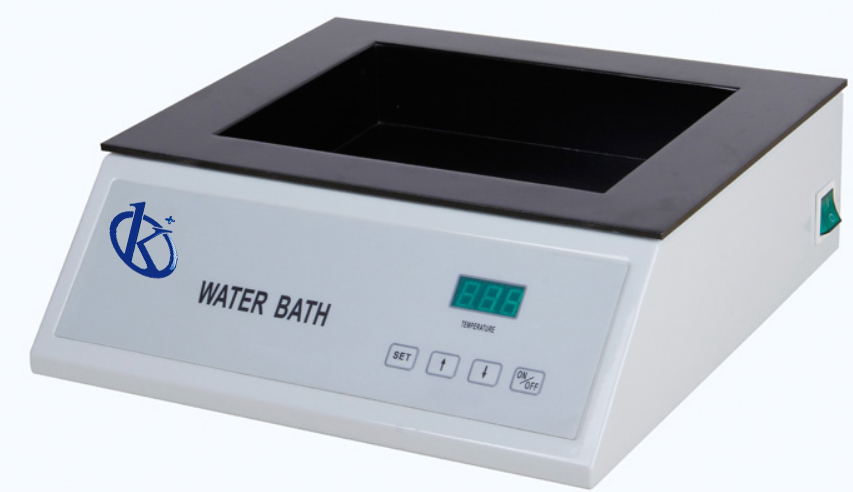
Maximizing ROI and Cost-Benefit Analysis for Tissue Water Baths in Laboratories
The investment in laboratory equipment like tissue water baths is not just about the initial purchase cost; it's about understanding the return on investment (ROI) and carrying out a comprehensive cost-benefit analysis. As laboratories aim for efficiency and sustainability, making well-informed purchasing decisions becomes critical. This article delves into how laboratory professionals can assess ROI and the cost-effectiveness of various tissue water baths, focusing on models such as YR449, YR451, and YR452.
Understanding ROI and Cost-Benefit Analysis in Laboratory Settings
ROI is a key metric that helps laboratories evaluate the profitability of their investments. It is typically expressed as a percentage and calculated by comparing the net profit from an investment to its cost. Understanding this metric is vital for justifying equipment purchases, optimizing workflows, and ensuring financial sustainability.
Cost-benefit analysis complements ROI by providing a more detailed evaluation of both tangible and intangible costs and benefits associated with laboratory equipment. This includes factors such as operational efficiencies, time savings, and compliance with regulatory requirements, in addition to direct financial implications.
Comparison of Available Models
| Model | CAPEX (USD) | Cost per test | Payback (months) | Recommended scenario |
|---|---|---|---|---|
| YR449 | 400.00 | 2.50 | 8 | Routine histology applications |
| YR451 | 800.00 | 4.00 | 10 | Advanced tissue processing |
| YR452 | 950.00 | 5.00 | 12 | Multifunctional laboratory applications |
Evaluating the Cost-Effectiveness of Tissue Water Baths
When evaluating the cost-effectiveness of tissue water baths like the YR449, YR451, and YR452, laboratory professionals must consider the total cost of ownership (TCO). TCO encompasses not just the initial acquisition cost but also operational costs, maintenance, consumables, and potential downtime. Each model has unique specifications that influence these costs and their applicability in various laboratory settings.
The YR449 is known for its rapid heating capabilities and energy-saving features, making it a strong candidate for routine histology applications. It offers an operational cost advantage due to its design and efficiency. In contrast, the YR451 and YR452 provide advanced features that may justify their higher initial costs in laboratories requiring more complex tissue processing.
Common Mistakes and How to Avoid Them
Laboratories often make critical mistakes when purchasing tissue water baths. One common error is focusing solely on initial purchase costs without evaluating the total cost of ownership. This can lead to underestimating the long-term expenses associated with operation and maintenance.
Another mistake is neglecting to assess the specific requirements of laboratory workflows. For instance, while the YR451 and YR452 are equipped for advanced applications, they may not be necessary for a laboratory primarily performing routine tests. Understanding your laboratory's unique needs is essential for making an informed decision.
Benefits of Using Tissue Water Baths in Laboratories
Utilizing tissue water baths offers several benefits that can enhance laboratory efficiency and productivity. One major advantage is the consistent temperature control provided by models like YR449 and YR451. This precision is crucial for maintaining the integrity of tissue samples during processing and analysis.
Additionally, the energy-efficient design of modern tissue water baths helps reduce operating costs, making them a cost-effective choice for laboratories. For example, the YR449's advanced heating element not only allows for rapid temperature adjustment but also minimizes energy consumption, leading to long-term savings.
Integrating Tissue Water Baths into Laboratory Workflow
To maximize the benefits of tissue water baths, laboratories should focus on seamless integration into existing workflows. This involves training staff on efficient operation, routine maintenance, and understanding the specific applications for each model. For instance, laboratories utilizing the YR452 may find that its digital display and automatic memory features enhance overall usability and reduce the likelihood of errors during operation.
Moreover, incorporating a maintenance schedule for each model can prevent downtime and ensure consistent performance, thus supporting the laboratory's operational efficiency.
Frequently Asked Questions
What factors influence the ROI of tissue water baths in a laboratory?
The ROI of tissue water baths such as the YR449 can be influenced by initial costs, operational efficiencies, and the speed of processing samples. A laboratory should evaluate both CAPEX and OPEX to determine the overall financial benefits over time.
How can I calculate the total cost of ownership for a tissue water bath?
Total cost of ownership for models like the YR451 includes the upfront purchase price, maintenance, energy costs, and consumables. By adding these costs over the expected lifespan of the equipment, a laboratory can derive a clearer financial picture.
What are the key specifications to consider when choosing a tissue water bath?
When selecting a tissue water bath, consider temperature range, precision of temperature control, energy efficiency, and overall dimensions. For instance, the YR452 offers a robust design suitable for various laboratory needs, whereas the YR449 is more energy-efficient for routine tasks.
How do I ensure energy efficiency in my tissue water bath operations?
To ensure energy efficiency, select models like the YR449 which feature energy-saving technologies. Regular maintenance and monitoring usage patterns can further contribute to lower energy consumption and operational costs.
What maintenance practices are essential for tissue water baths?
Essential maintenance practices include regular cleaning, calibration of temperature settings, and checking for wear on components. Following a maintenance schedule can extend the lifespan of models such as the YR451 and ensure consistent results.
How much does a high-quality tissue water bath typically cost?
High-quality tissue water baths like the YR449, YR451, and YR452 range from approximately $400 to $950, depending on features and specifications. It's important to weigh these costs against the expected benefits and efficiency gains.
What is the importance of temperature control in tissue processing?
Precise temperature control is crucial in tissue processing as it ensures sample integrity and accurate results. Models such as the YR449 maintain temperature within ±1℃, which is vital for consistent processing outcomes.
What scenarios would benefit from using the YR452 tissue water bath?
The YR452 is particularly beneficial for laboratories performing multiple functions and complex tissue processing tasks. Its advanced features support a range of applications, making it a versatile asset for diverse laboratory environments.
If you are looking for a fusion of innovation and quality, you have come to the right place. At Kalstein, we offer you the luxury of exploring our exclusive catalog of laboratory equipment. We manufacture every device to the highest standards of excellence. Our intuitive and seamless online purchasing channels are designed for your convenience, securing the most competitive prices. Hesitate no longer — we bring science to life, it is time to become part of our community.