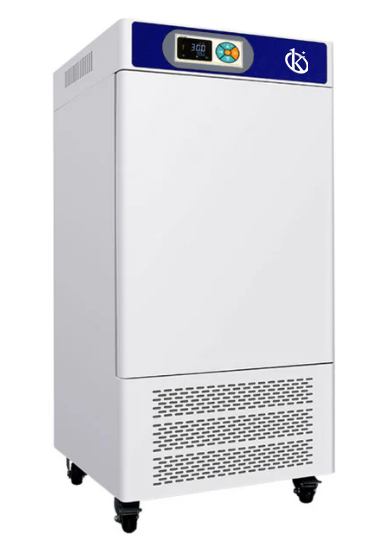
Maximizing ROI and Cost-Benefit Analysis for Constant Temperature and Humidity Incubators
In laboratory environments, especially those focused on environmental protection, medicine, drug testing, health prevention, aquaculture, and biological engineering, selecting the right equipment is crucial for operational efficiency and budget management. This article aims to deliver a comprehensive analysis of the cost-benefit aspects of Constant Temperature and Humidity incubators, focusing on three key models: YR02053, YR02054, and YR02055. Through deep dives into each model's specific strengths and applications, laboratories can better understand how to maximize their return on investment (ROI) while ensuring compliance with stringent standards.
Understanding Cost-Benefit Analysis in Laboratory Equipment
A cost-benefit analysis (CBA) plays a vital role in making informed decisions about laboratory investments. By evaluating the total costs against the benefits, laboratories can identify which Constant Temperature and Humidity incubators provide the best value. For instance, factors such as initial acquisition costs, operational expenses, energy consumption, and maintenance must be accounted for. The goal is to ensure that the chosen model not only fits the budget but also enhances laboratory productivity and efficiency.
Why Choose Constant Temperature and Humidity Incubators?
Constant Temperature and Humidity incubators are essential for laboratories requiring precise environmental control. They offer stability for various applications, including biological experiments, drug testing, and aquaculture studies. The ability to maintain specific conditions not only helps in obtaining reproducible results but also supports long-term research projects. Models like the YR02053, YR02054, and YR02055 have been designed to meet these critical needs while ensuring ease of use and reliability.
Cost Structure of Constant Temperature and Humidity Incubators
Understanding the cost structure of Constant Temperature and Humidity incubators is vital for effective budgeting. The costs can typically be broken down into capital expenditures (CAPEX) and operating expenses (OPEX). CAPEX includes the initial purchase price, installation, and any necessary training. OPEX covers energy consumption, maintenance, and consumables used during operation. A detailed comparison of these costs can provide insight into potential ROI.
Comparison of Available Models
| Model | CAPEX (USD) | Energy Consumption (kWh) | Payback Period (Months) | Best Use Case |
|---|---|---|---|---|
| YR02053 | 1010.00 | 0.4 | 24 | Small labs focused on drug testing |
| YR02054 | 1140.00 | 0.6 | 20 | Mid-sized labs for environmental analysis |
| YR02055 | 1430.00 | 0.8 | 18 | Large labs with extensive biological research |
Quantitative Breakdown of ROI
To truly understand the ROI of Constant Temperature and Humidity incubators, laboratories must calculate the total costs involved in their operations against the potential revenue generated from successful experiments and research. For instance, if a lab generates an annual revenue of $50,000 from experiments using the YR02055 model, and the total operational costs amount to $10,000, the ROI can be calculated by the formula: ROI = (Revenue - Costs) / Costs. This helps labs make informed decisions about future investments.
Common Mistakes and How to Avoid Them
When conducting a cost-benefit analysis, laboratories often fall into the trap of overlooking hidden costs such as maintenance or energy consumption. Additionally, failing to account for the full lifespan of the equipment can lead to skewed results. To avoid these mistakes, laboratories should compile a comprehensive checklist that includes initial costs, ongoing operational expenses, and potential downtime.
Frequently Asked Questions
What factors should I consider for ROI when selecting a Constant Temperature and Humidity incubator?
When selecting a Constant Temperature and Humidity incubator such as the YR02054, consider factors like CAPEX, OPEX, potential revenue from experiments, and equipment lifespan. Evaluating these factors will help you determine a clear ROI and make an informed decision.
How can I calculate the cost per test using Constant Temperature and Humidity incubators?
To calculate the cost per test, divide the total operational costs by the number of tests conducted. For example, if using the YR02053 model incurs $10,000 in costs to run 1,000 tests, the cost per test would be $10, allowing you to gauge efficiency and budget effectively.
Which Constant Temperature and Humidity incubator offers the best energy efficiency?
The YR02053 model is designed for energy efficiency, using only 0.4 kWh. This makes it a cost-effective option for labs looking to minimize operational expenses while maintaining precise environmental conditions.
How do I assess the long-term benefits of investing in an incubator?
Assess long-term benefits by calculating potential revenue against the incubator's costs over its lifespan. For instance, using the YR02055, track revenue generated from experiments while factoring in depreciation and maintenance to ascertain its overall value.
What are the operational costs associated with Constant Temperature and Humidity incubators?
Operational costs include energy consumption, maintenance, and consumables. For example, running the YR02054 model incurs costs related to its energy usage of 0.6 kWh, making a comprehensive cost-benefit analysis essential for budgeting.
Can I integrate a Constant Temperature and Humidity incubator into a digital lab environment?
Yes, models like the YR02055 can often be integrated into digital laboratory environments, depending on their specifications. This integration can enhance data management and operational efficiency, ultimately improving ROI.
What maintenance practices improve the lifespan of Constant Temperature and Humidity incubators?
Regular cleaning, calibration, and timely repairs significantly improve the lifespan of incubators. For example, maintaining the YR02053 model through scheduled servicing can prevent costly downtime and enhance its efficiency.
How do I ensure compliance with industry standards using an incubator?
To ensure compliance, familiarize yourself with relevant industry standards and verify that the incubator model meets these criteria. The YR02054 is designed to comply with environmental and health regulations, making it a suitable choice for labs focused on compliance.
If you are looking for a fusion of innovation and quality, you have come to the right place. At Kalstein, we offer you the luxury of exploring our exclusive catalog of laboratory equipment. We manufacture every device to the highest standards of excellence. Our intuitive and seamless online purchasing channels are designed for your convenience, securing the most competitive prices. Hesitate no longer — we bring science to life, it is time to become part of our community.