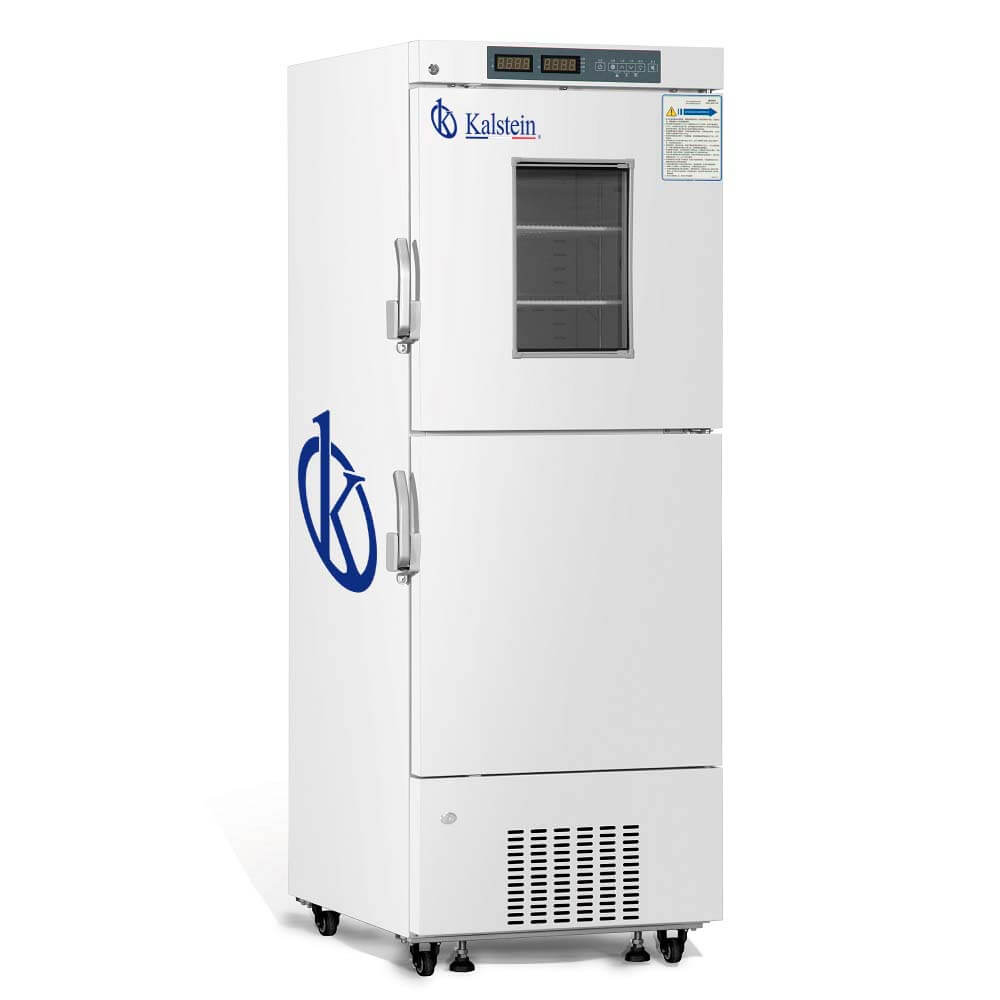
Maximizing ROI: Cost-Benefit Analysis for Combined Freezers in Laboratories
In laboratory environments, the selection of equipment is critical to operational efficiency and financial sustainability. Among essential equipment, combined freezers play a pivotal role in the preservation of biological materials, vaccines, and pharmaceuticals. This article discusses how to conduct a cost-benefit analysis to maximize the return on investment (ROI) from combined freezers, tailored for laboratory professionals.
Understanding Combined Freezers and Their Role in Laboratories
Combined freezers are designed to simultaneously provide refrigeration and freezing capabilities. They are essential for laboratories involved in biological research, clinical studies, and pharmaceutical storage. This dual-functionality not only saves space but also allows for the safe storage of diverse substances at varying temperatures. When evaluating combined freezers, laboratory managers must consider factors such as temperature range, energy consumption, and maintenance costs.
Importance of Conducting a Cost-Benefit Analysis
A cost-benefit analysis helps laboratories assess the financial viability of investing in combined freezers. By quantifying the costs associated with purchase, operation, and maintenance against the benefits derived from their use, laboratories can make informed decisions. This analysis typically includes upfront capital expenditures (CAPEX), ongoing operational expenditures (OPEX), and potential savings or revenue generated from efficient operations.
Key Factors Influencing ROI for Combined Freezers
When evaluating ROI for combined freezers, several factors should be taken into account:
- Initial Investment: The cost of purchasing the freezer, including installation and necessary modifications.
- Operating Costs: Regular expenses incurred during the freezer's operation, including energy consumption and maintenance.
- Efficiency Gains: Improved workflow and reduced material waste due to reliable storage conditions.
- Longevity and Reliability: The expected lifespan of the equipment and its reliability in maintaining required storage conditions.
Comparison of Available Models
| Model | CAPEX (USD) | OPEX (kWh/24h) | Temperature Range (°C) | Best for |
|---|---|---|---|---|
| YR05320 | 1415.00 | 4.15 | -20 to -40 (F) / 2 to 8 (R) | Pharmaceutical storage, biological samples |
| YR05321 | 1060.00 | 3.03 | -10 to -25 (F) / 2 to 8 (R) | Medical labs, blood stations |
| YR05321-1 | 745.00 | N/A | -10 to -25 (F) / 2 to 8 (R) | Blood transfusion services, research labs |
Calculating the Cost of Ownership
To establish a robust cost-benefit analysis, laboratories must calculate the total cost of ownership (TCO) associated with combined freezers. This includes:
- Capital Expenditure: The initial purchase price of the combined freezer.
- Operational Costs: Daily energy consumption multiplied by the average energy cost in your region.
- Maintenance and Repair: Estimating annual maintenance costs based on manufacturer recommendations.
For example, using the YR05320, with a daily energy consumption of 4.15 kWh, and an average electricity cost of $0.10 per kWh, the annual energy cost is approximately $151.00. This should be summed with the initial investment for a complete picture.
Common Mistakes and How to Avoid Them
When conducting a cost-benefit analysis for combined freezers, laboratory professionals often make several common mistakes:
- Neglecting Hidden Costs: Always consider indirect costs such as staff training and potential downtime.
- Overlooking Energy Efficiency: Select models with high energy efficiency ratings to reduce operational costs.
- Ignoring Long-Term Needs: Ensure that the freezer meets future requirements to avoid premature replacement.
Frequently Asked Questions
What are the energy consumption rates of different combined freezers?
The energy consumption rates vary among models; for example, the YR05320 consumes 4.15 kWh/24h, while the YR05321 has a lower rate of 3.03 kWh/24h, making the latter potentially more cost-effective for long-term operations.
How should I assess the return on investment for a combined freezer?
To assess ROI, calculate the total costs (CAPEX plus OPEX) against the operational benefits, such as reduced sample waste and improved workflow. For instance, if the YR05321-1 costs $745, its lower operating costs can lead to savings over time, enhancing overall ROI.
Which combined freezer is ideal for medical laboratory applications?
The YR05321 is an excellent choice for medical laboratories due to its dual chamber design, allowing for independent temperature controls, crucial for preserving sensitive biological materials.
How frequently should I perform maintenance on a combined freezer?
Regular maintenance should be scheduled at least once a year. For instance, the YR05320 and YR05321 benefit from periodic checks to ensure optimal performance and adherence to safety standards.
What are the key features to look for in a combined freezer?
Key features include temperature range, energy efficiency, reliability of cooling systems, and ease of use. The YR05321-1 stands out with its dual temperature control system, which enhances its versatility in laboratory settings.
Can I claim tax deductions for purchasing laboratory equipment like combined freezers?
In many regions, laboratory equipment purchases can be eligible for tax deductions as capital expenditures. Consult a tax professional to ensure compliance, particularly when acquiring models like the YR05320.
How do combined freezers impact laboratory workflow efficiency?
Combined freezers enhance workflow efficiency by providing dedicated space for both freezing and refrigeration, avoiding the need to move samples between separate units. This is exemplified by the YR05321, which offers distinct temperature zones for different materials.
What should be included in a cost-benefit analysis for laboratory freezers?
A thorough analysis should include initial costs, ongoing operational expenses, potential savings from reduced waste, and improvements in efficiency. For example, the YR05321-1 offers lower operational costs, which can significantly impact the overall financial analysis.
If you are looking for a fusion of innovation and quality, you have come to the right place. At Kalstein, we offer you the luxury of exploring our exclusive catalog of laboratory equipment. We manufacture every device to the highest standards of excellence. Our intuitive and seamless online purchasing channels are designed for your convenience, securing the most competitive prices. Hesitate no longer — we bring science to life, it is time to become part of our community.