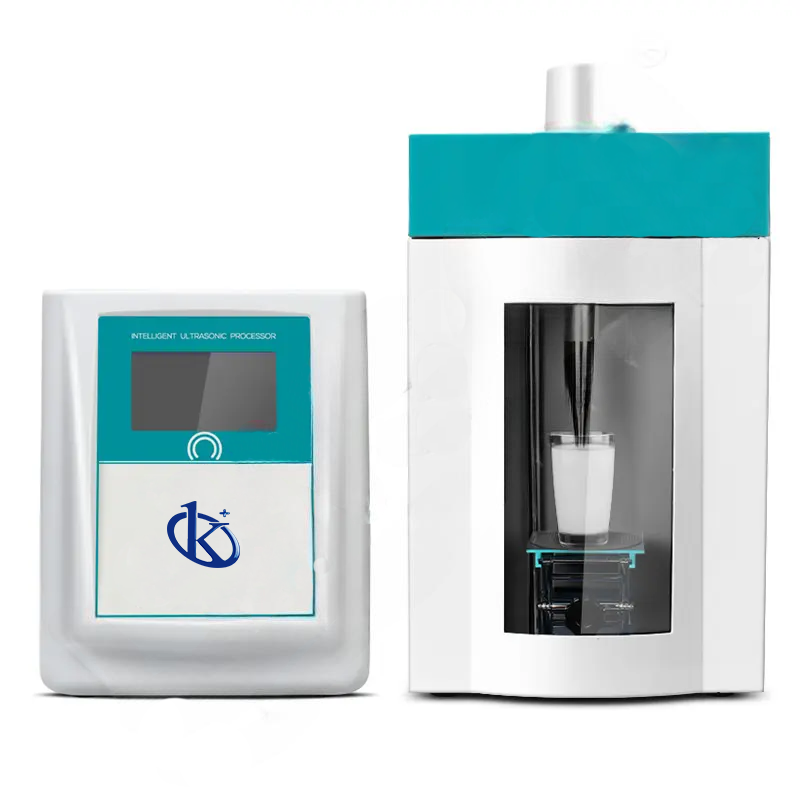
Zrozumienie prognozowanej konserwacji i zalecanej kalibracji dla ultradźwiękowych homogenizatorów
W szybkim tempie pracy w laboratoriach, wydajność i niezawodność sprzętu, takiego jak ultradźwiękowe homogenizatory, odgrywają kluczową rolę. Ten artykuł zgłębi znaczenie prognozowanej konserwacji oraz zalecane harmonogramy kalibracji dla ultradźwiękowych homogenizatorów, poprawiając ich wydajność i zapewniając zgodność z normami branżowymi.
Znaczenie prognozowanej konserwacji dla ultradźwiękowych homogenizatorów
Prognozowana konserwacja to proaktywne podejście do zarządzania sprzętem, które przewiduje awarie, zanim one wystąpią. Dla ultradźwiękowych homogenizatorów, które są niezbędne w różnych zastosowaniach, od farmaceutyków po przetwórstwo żywności, utrzymanie efektywności operacyjnej jest kluczowe. Wdrożenie prognozowanej konserwacji może zminimalizować przestoje, obniżyć koszty napraw i wydłużyć żywotność urządzeń.
Dzięki wykorzystaniu zaawansowanych technik monitorowania, w tym czujników temperatury i ciśnienia, laboratoria mogą skutecznie śledzić wydajność swoich ultradźwiękowych homogenizatorów. Umożliwia to terminowe interwencje i dostosowania kalibracji, zapewniając, że każda jednostka działa w swoim optymalnym zakresie.
Zalecana kalibracja dla ultradźwiękowych homogenizatorów
Kalibracja jest kluczowa dla zapewnienia, że ultradźwiękowe homogenizatory dostarczają dokładne i niezawodne wyniki. Regularna kalibracja pomaga utrzymać zgodność z normami branżowymi i może znacząco wpłynąć na jakość procesu homogenizacji. Zalecany harmonogram kalibracji może się różnić w zależności od częstotliwości użytkowania i konkretnego zastosowania.
Na przykład, ultradźwiękowe homogenizatory, takie jak YR05015 i YR05016, powinny być kalibrowane przynajmniej raz w roku, podczas gdy te używane w bardziej wymagających zastosowaniach mogą wymagać kontroli co sześć miesięcy. Kalibracja polega na weryfikacji mocy wyjściowej, dokładności częstotliwości i ustawień kontroli temperatury, zapewniając, że każdy model spełnia swoje określone standardy operacyjne.
Porównanie dostępnych modeli
| Model | Moc (W) | Pojemność mieszania (ml) | Częstotliwość kalibracji | Najlepsze do |
|---|---|---|---|---|
| YR05015 | 1.5 – 150 | 0.1 – 150 | Rocznie | Ogólne użycie laboratoryjne |
| YR05016 | 2-5 – 250 | 0.1 – 300 | Rocznie | Mieszanie w średniej skali |
| YR05017 | 10 – 650 | 0.1 – 500 | Co pół roku | Aplikacje farmaceutyczne |
| YR05018 | 10 – 900 | 0.1 – 600 | Co pół roku | Przetwórstwo żywności |
| YR05019 | 20 – 1200 | 1 – 1000 | Rocznie | Wysoka wydajność |
| YR05020 | 50 – 1800 | 1 – 1200 | Rocznie | Operacje na dużą skalę |
Typowe błędy i jak ich unikać
Laboratoria często napotykają wyzwania związane z konserwacją i kalibracją sprzętu. Typowe błędy obejmują zaniedbywanie regularnych harmonogramów kalibracji, używanie nieodpowiedniego sprzętu do kalibracji oraz pomijanie czynników środowiskowych, które mogą wpływać na wydajność homogenizatorów ultradźwiękowych.
Aby uniknąć tych pułapek, laboratoria powinny ustanowić jasny protokół konserwacji i przestrzegać zaleceń producenta. Dodatkowo, inwestowanie w wysokiej jakości standardy kalibracyjne i zapewnienie odpowiedniego przeszkolenia personelu może znacznie zwiększyć niezawodność wyników.
Zwiększanie efektywności poprzez konserwację predykcyjną
Aby wdrożyć skuteczną konserwację predykcyjną, laboratoria powinny ocenić swoje dane operacyjne, aby zidentyfikować trendy i wzorce w wydajności homogenizatorów. Narzędzia takie jak kontrola procesu statystycznego (SPC) mogą dostarczyć informacji o tym, kiedy konserwacja jest konieczna, co ostatecznie zmniejsza koszty związane z nieoczekiwanymi naprawami.
Na przykład, homogenizatory ultradźwiękowe, takie jak YR05019, mogą korzystać z systemów monitorowania w czasie rzeczywistym, które dostarczają powiadomień o wahaniach mocy lub nieprawidłowościach temperatury, umożliwiając podjęcie działań korygujących przed wystąpieniem poważnych awarii.
Studium przypadku: Wdrożenie konserwacji predykcyjnej
Laboratorium specjalizujące się w badaniach chemicznych wdrożyło program konserwacji predykcyjnej dla swoich homogenizatorów ultradźwiękowych, w tym YR05020. Analizując dane operacyjne, zidentyfikowali, że jednostki używane do procesów emulgacji wymagały częstszej kalibracji z powodu zmieniających się składów próbek.
W rezultacie laboratorium dostosowało swój harmonogram kalibracji do kontroli co pół roku, co doprowadziło do 30% redukcji przestojów sprzętu i poprawy ogólnej wydajności.
Najczęściej zadawane pytania
Jaka jest zalecana częstotliwość kalibracji dla homogenizatorów ultradźwiękowych?
Częstotliwość kalibracji dla homogenizatorów ultradźwiękowych zazwyczaj różni się w zależności od modelu i użytkowania. Na przykład, YR05015 zazwyczaj wymaga kalibracji rocznej, podczas gdy jednostki takie jak YR05017 mogą wymagać kontroli co pół roku w zależności od ich intensywnych zastosowań.
Jak konserwacja predykcyjna zwiększa wydajność homogenizatorów ultradźwiękowych?
Utrzymanie predykcyjne poprawia wydajność, przewidując awarie sprzętu, zanim one wystąpią. Na przykład, systemy monitorowania dla YR05018 mogą śledzić metryki operacyjne, pozwalając laboratoriom na przeprowadzanie terminowych kalibracji i zapobieganie nieoczekiwanym przestojom.
Jakie są konsekwencje zaniedbania kalibracji homogenizatora ultradźwiękowego?
Zaniedbanie kalibracji może prowadzić do nieprecyzyjnych wyników, kompromitacji jakości produktu i problemów z zgodnością. Na przykład, brak regularnej kalibracji YR05016 może skutkować niewłaściwymi ustawieniami mocy, wpływając na wyniki homogenizacji próbek.
Który homogenizator ultradźwiękowy jest najlepszy do aplikacji o wysokiej wydajności?
Model YR05019 jest najlepszym wyborem do aplikacji o wysokiej wydajności, z mocą do 1200W i pojemnością mieszania 1 litra, zapewniając spójne wyniki w szybkim środowisku laboratoryjnym.
Jak mogę wdrożyć utrzymanie predykcyjne w moim laboratorium?
Aby wdrożyć utrzymanie predykcyjne, zacznij od regularnego monitorowania kluczowych wskaźników wydajności homogenizatorów ultradźwiękowych, takich jak YR05020. Analizuj dane w poszukiwaniu trendów i planuj konserwację na podstawie wydajności, a nie stałych interwałów, optymalizując czas przestoju.
Jakie konkretne cechy powinienem szukać w homogenizatorach ultradźwiękowych do zastosowań badawczych?
W przypadku zastosowań badawczych, szukaj cech takich jak regulowane ustawienia mocy i kontrola temperatury. Modele takie jak YR05017 oferują te funkcje, co czyni je idealnymi do precyzyjnych zadań homogenizacji w badaniach.
Jakie wyzwania w zakresie konserwacji napotykają użytkownicy homogenizatorów ultradźwiękowych?
Typowe wyzwania związane z konserwacją obejmują zapewnienie właściwej kalibracji, zarządzanie zużyciem komponentów oraz utrzymanie czystości. Radzenie sobie z tymi wyzwaniami jest kluczowe dla modeli takich jak YR05018, które wymagają ciągłej pracy dla skutecznych wyników.
Jeśli szukasz połączenia innowacji i jakości, trafiłeś we właściwe miejsce. W Kalstein oferujemy Ci luksus odkrywania naszego ekskluzywnego katalogu sprzętu laboratoryjnego. Każde urządzenie produkujemy zgodnie z najwyższymi standardami doskonałości. Nasze intuicyjne i bezproblemowe kanały zakupowe online są zaprojektowane z myślą o Twojej wygodzie, zapewniając najbardziej konkurencyjne ceny. Nie wahaj się dłużej — przywracamy naukę do życia, nadszedł czas, aby stać się częścią naszej społeczności.