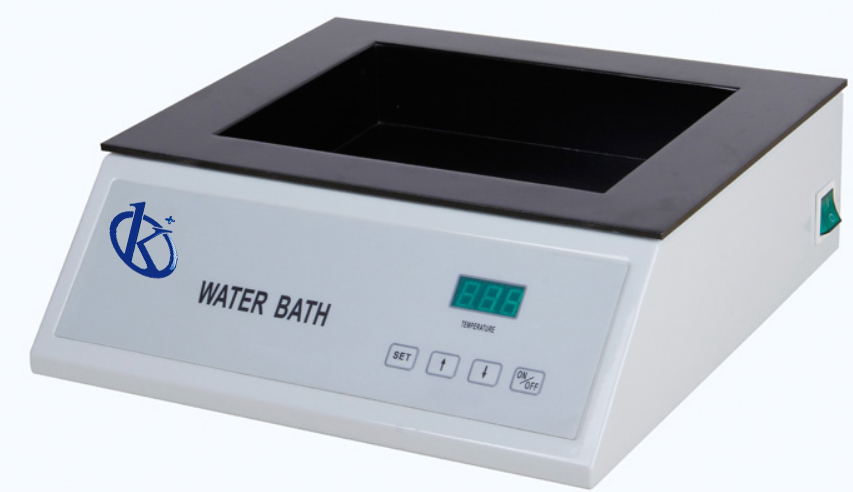
How to Enhance Energy Sustainability in Tissue Water Baths for Pathological Analysis
As laboratories strive to minimize their carbon footprint and energy consumption, the choice of equipment plays a crucial role. Tissue water baths, essential in pathological analysis, not only facilitate various processes but can also significantly impact energy sustainability. This article will explore how to optimize the use of tissue water baths, specifically focusing on three models: YR449, YR451, and YR452. By evaluating their features and efficiencies, laboratories can make informed decisions that align with sustainability goals.
Understanding Energy Sustainability in Laboratories
Energy sustainability refers to the practice of using energy resources in a way that meets current needs without compromising the ability of future generations to meet theirs. In laboratory settings, this means selecting equipment that maximizes efficiency while minimizing waste. Energy-efficient devices reduce operating costs and contribute to lower greenhouse gas emissions. As labs are continuously challenged to remain compliant with stricter environmental regulations, implementing sustainable practices is now more critical than ever.
Comparison of Available Models
| Model | Temperature Range | Power Consumption (W) | Best For |
|---|---|---|---|
| YR449 | RT to 90 ℃ | 200 | High-efficiency heating and energy saving |
| YR451 | 0 to 85 ℃ | 400 | Real-time monitoring with LED display |
| YR452 | RT to 75 ℃ | 500 | Multi-functional use in tissue processing |
Energy Efficiency Features of Tissue Water Baths
When selecting a tissue water bath, it is essential to consider specific features that enhance energy efficiency. For instance, models like the YR449 and YR451 employ advanced heating elements that facilitate rapid temperature changes while maintaining precise control. This capability not only limits energy consumption but also enhances processing effectiveness. The YR452 offers similar advantages with real-time digital monitoring that allows for immediate adjustments, further optimizing energy use. Understanding these features can guide labs towards choosing equipment that aligns with their sustainability goals.
Reducing Water and Reagent Consumption
In addition to energy savings, laboratories must also focus on minimizing water usage in their operations. Tissue water baths often require substantial water for their functions. Models like the YR449 are built to maintain water levels efficiently, reducing waste. Moreover, recycling and filtration systems can be integrated to further lower water expenditure. By being mindful of water consumption, labs can significantly reduce their overall environmental impact.
Lifecycle Assessment of Tissue Water Baths
A lifecycle assessment (LCA) examines the environmental impact of a product throughout its lifespan, from production to disposal. For tissue water baths, it is vital to evaluate materials used, energy consumption during use, and how the units can be recycled or disposed of responsibly. Models like the YR451 are constructed with durable materials that extend their operational lifespan, which contributes to less waste and better energy use overall. Conducting an LCA can help labs identify areas for improvement in sustainability practices.
Common Mistakes and How to Avoid Them
When trying to enhance energy sustainability with tissue water baths, laboratories might overlook the importance of regular maintenance. Neglecting routine checks can result in decreased efficiency and higher energy consumption. Additionally, failing to properly calibrate devices like the YR452 may lead to fluctuations in temperature, increasing reagent waste and overall operational costs. To avoid these pitfalls, labs should establish a regular maintenance schedule and ensure all equipment is calibrated to manufacturer specifications.
Frequently Asked Questions
What features contribute to energy efficiency in tissue water baths?
The YR449 model exemplifies energy efficiency with its advanced heating element that allows for rapid temperature adjustments while consuming only 200W. Features like digital displays for real-time monitoring also aid in minimizing energy waste, enhancing overall lab sustainability.
How do different models of tissue water baths compare in power consumption?
In power consumption, the YR449 uses 200W, while the YR451 and YR452 use 400W and 500W respectively. Laboratories should evaluate their needs to select the model that offers the best balance between functionality and energy consumption for their specific applications.
Which tissue water bath is best for minimizing environmental impact?
The YR449 is an excellent choice for minimizing environmental impact due to its low power consumption of 200W and high-efficiency heating system. This model significantly reduces energy use while providing effective temperature control for pathological analysis.
How can laboratories enhance sustainability with tissue water baths?
Laboratories can enhance sustainability by selecting energy-efficient models like the YR451, which features real-time monitoring and precise temperature control. Additionally, implementing water recycling systems can further reduce resource consumption.
What is the role of regular maintenance in energy sustainability for tissue water baths?
Regular maintenance is crucial for energy sustainability as it ensures that models like the YR452 operate efficiently. Neglect can lead to increased energy consumption and waste, negating the sustainability benefits of energy-efficient equipment.
Which model offers the best overall efficiency for tissue processing?
The YR451 offers an optimal combination of efficiency and functionality for tissue processing, with a power consumption of 400W and real-time monitoring capabilities, making it suitable for various laboratory settings.
How important is the lifecycle assessment for tissue water baths in labs?
A lifecycle assessment is vital as it evaluates the environmental impact of models like the YR449, from production through disposal, helping laboratories to make informed decisions that support sustainability efforts throughout their operational lifespan.
In conclusion, choosing the right tissue water bath is integral to enhancing energy sustainability in laboratory environments. By selecting models that prioritize efficiency, regularly maintaining equipment, and integrating water-saving practices, labs can significantly reduce their environmental impact. This proactive approach not only aligns with global sustainability goals but also fosters a culture of responsibility within the laboratory community.
If you are looking for a fusion of innovation and quality, you have come to the right place. At Kalstein, we offer you the luxury of exploring our exclusive catalog of laboratory equipment. We manufacture every device to the highest standards of excellence. Our intuitive and seamless online purchasing channels are designed for your convenience, securing the most competitive prices. Hesitate no longer — we bring science to life, it is time to become part of our community.