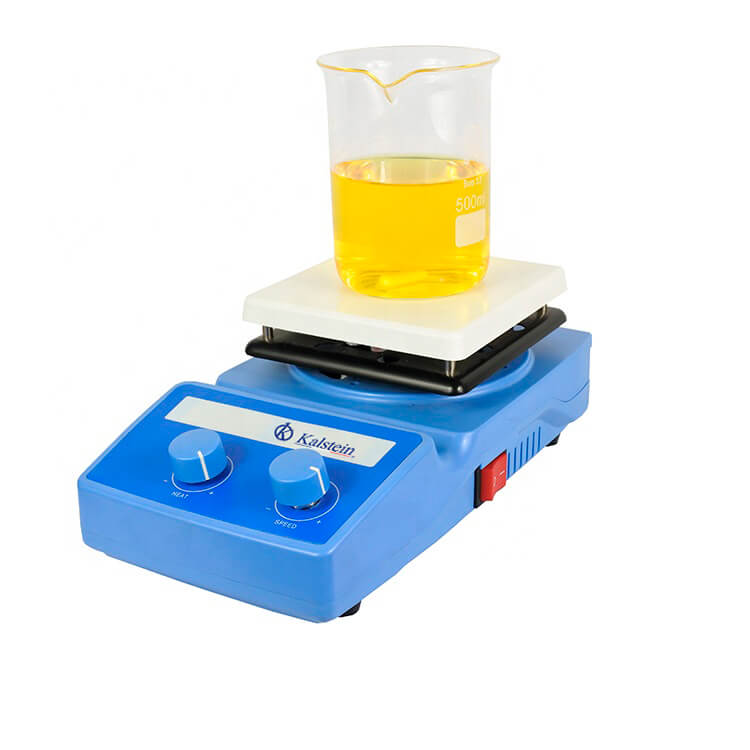
How to Optimize Energy Sustainability and Reduce Environmental Footprint with Analog Ceramic Top Hotplate Stirrers?
In recent years, laboratories have increasingly focused on energy sustainability and reducing their environmental footprint. One area of improvement is the equipment used in the laboratory, specifically Analog Ceramic Top Hotplate Stirrers. These devices not only serve essential functions in mixing and heating but also present opportunities for energy efficiency and sustainability. This article delves into the features, applications, and environmental benefits of various models available in this subcategory, ensuring you choose the right equipment for your laboratory's needs.
Understanding Energy Sustainability in Laboratory Settings
Energy sustainability in laboratories refers to the ability to conduct experiments and processes while minimizing energy consumption and environmental impact. This involves using equipment that is energy-efficient and designed to reduce waste. In this context, Analog Ceramic Top Hotplate Stirrers can play a pivotal role.
These stirrers typically utilize ceramic heating surfaces which are known for their efficient heat distribution and energy conservation. By ensuring a more uniform heating process, they not only enhance the quality of experimental results but also help in reducing energy consumption, which is a critical factor in sustainability.
Key Features for Energy Efficiency in Hotplate Stirrers
When assessing Analog Ceramic Top Hotplate Stirrers for their energy efficiency, several features stand out:
- PID Temperature Control: Models like YR02934 and YR02935 feature automatic PID temperature control which optimizes heating times and minimizes energy waste.
- Ceramic Heating Surface: The ceramic tops of models such as YR02936 provide better thermal efficiency than traditional metal surfaces, allowing for quicker heat-up times.
- Compact Design: Smaller units require less energy to maintain operational temperatures, making models like YR02933 appealing for energy-conscious laboratories.
Benefits of Reducing Environmental Footprint with Stirrer Technology
The environmental benefits of using efficient Analog Ceramic Top Hotplate Stirrers extend beyond energy savings. By minimizing energy consumption, laboratories can significantly reduce their carbon emissions. Additionally, these devices often require fewer consumables, such as reagents and cleaning agents, which lessens waste generation.
Moreover, advancements in materials and manufacturing processes mean that these stirrers have longer lifespans, which translates into less electronic waste. Implementing such technologies aligns with global sustainability goals and enhances a laboratory's reputation as a responsible entity.
Comparison of Available Models
| Model | Temperature Range | Heating Power (W) | Dimensions (mm) | Price (USD) |
|---|---|---|---|---|
| YR02933 | Ambient to 325 °C | N/A | x x | 125.00 |
| YR02934 | Ambient to 380 °C | N/A | 180 x 180 | 152.00 |
| YR02935 | Ambient to 380 °C | 750 | 230 x 230 | 190.00 |
| YR02936 | Ambient to 400 °C | 450 | 280 x 280 | 265.00 |
Common Mistakes and How to Avoid Them
Laboratories often make mistakes when selecting Analog Ceramic Top Hotplate Stirrers that can impact their energy sustainability efforts. One common mistake is ignoring the temperature control features of the stirrer. For example, choosing a model without PID control can lead to overshooting temperature settings, which wastes energy.
Another mistake is not considering the size and capacity of the stirrer. Utilizing an oversized stirrer for small volumes can lead to unnecessary energy consumption. It's essential to analyze your laboratory's needs and select a model, like YR02934, which fits those specifications without excess energy use.
Frequently Asked Questions
How can Analog Ceramic Top Hotplate Stirrers help reduce energy consumption in my lab?
Analog Ceramic Top Hotplate Stirrers, such as model YR02934, employ PID temperature control, which optimizes energy usage by maintaining precise heating levels. This efficiency minimizes excess energy consumption during heating processes, aligning with sustainability goals.
Which Analog Ceramic Top Hotplate Stirrer is best for small-scale experiments?
For small-scale experiments, the YR02933 model is a cost-effective choice, featuring an efficient design that conserves energy while providing adequate heating for smaller volumes. Its compact nature helps minimize environmental impact.
What energy efficiency features should I look for in hotplate stirrers?
Look for features like PID temperature control and ceramic heating surfaces. For instance, models like YR02936 utilize ceramic tops that enhance heating efficiency, reducing energy consumption and improving sustainability outcomes in laboratory processes.
How often should I conduct maintenance on my hotplate stirrers for optimal performance?
Regular maintenance is recommended every six months to ensure optimal performance of your Analog Ceramic Top Hotplate Stirrers. This includes cleaning the ceramic top and checking the PID control system. Models like YR02935 are designed for easy maintenance.
What is the expected lifespan of an Analog Ceramic Top Hotplate Stirrer?
On average, Analog Ceramic Top Hotplate Stirrers like YR02934 can last between 5 to 10 years with proper maintenance. Their durable construction and efficient design contribute to lower replacement rates, promoting sustainability.
How does the size of my hotplate stirrer affect its energy efficiency?
The size of your hotplate stirrer directly impacts energy efficiency. Using an appropriately sized model like YR02933 for smaller samples ensures that energy is not wasted. Oversized models lead to higher energy consumption than necessary.
What measures can I take to ensure the sustainability of my laboratory equipment?
Invest in energy-efficient equipment, such as Analog Ceramic Top Hotplate Stirrers, that meet sustainability standards. Conduct regular audits of energy use and prioritize models like YR02936 that offer features promoting reduced environmental impact.
Can I integrate my hotplate stirrers with other lab technologies for better energy management?
Yes, integrating hotplate stirrers with lab management systems enhances energy management. For example, models like YR02935 can be paired with monitoring systems to track energy usage, allowing for more informed decisions regarding efficiency improvements.
If you are looking for a fusion of innovation and quality, you have come to the right place. At Kalstein, we offer you the luxury of exploring our exclusive catalog of laboratory equipment. We manufacture every device to the highest standards of excellence. Our intuitive and seamless online purchasing channels are designed for your convenience, securing the most competitive prices. Hesitate no longer — we bring science to life, it is time to become part of our community.