How to Optimize LIMS Integration and Data Flow Digitalization in Chemical Analyzers?
In the ever-evolving landscape of laboratory operations, the integration of laboratory information management systems (LIMS) with chemical analyzers is a fundamental aspect of achieving efficiency and accuracy. This article delves into the strategies and methodologies for optimizing LIMS integration and advancing data flow digitalization in chemical analysis environments. By understanding the key features of various chemical analyzers and their compatibility with LIMS, laboratories can significantly enhance their data management workflows.
Understanding LIMS Integration in Chemical Analyzers
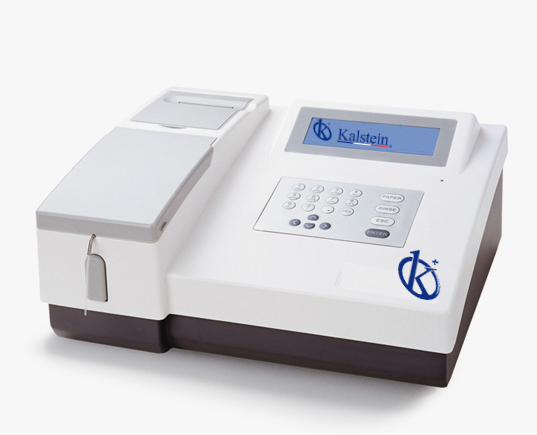
LIMS integration facilitates seamless data exchange between chemical analyzers and laboratory information systems. This integration streamlines testing processes, enhances data accuracy, and improves overall laboratory productivity. Different models of chemical analyzers, like the Semi-automatic Chemistry Analyzer YR05115 and the Automatic Chemistry Analyzer YR06075, offer various connectivity options that enable compatibility with existing LIMS.
Benefits of Digitalizing Data Flow
Digitalizing data flow in laboratories leads to real-time data access, reduced manual errors, and improved compliance with regulatory standards. Automated data transfer between analyzers and LIMS minimizes the risk of data loss and ensures that all results are promptly archived in the system for review and analysis. For instance, the Portable Chemical Analyzer YR06092 allows for efficient data collection and transfer, exemplifying how modern devices contribute to digital workflows.
Key Considerations for LIMS Integration
When integrating LIMS with chemical analyzers, laboratories must consider several factors, including data formats, connection protocols, and user interface compatibility. Ideally, the selected analyzers should support widely adopted protocols such as ASTM and HL7 to ensure smooth data transfer. The Semi-Automatic Chemistry Analyzer YR05116 provides an open system for reagents, enhancing its adaptability in integrating with various LIMS.
Comparison of Available Models
| Model | Connectivity | Protocols Supported | Integration Effort | Best For |
|---|---|---|---|---|
| YR05115 | RS232 | ASTM | Medium | Routine testing |
| YR05114 | RS232 | ASTM | Medium | Clinical labs |
| YR06092 | USB | HL7 | Low | Field testing |
| YR06075 | LAN | ASTM, HL7 | High | High-throughput labs |
| YR05116 | USB | ASTM | Medium | Research labs |
| YR06078 | RS232 | HL7 | Medium | Compact spaces |
Common Mistakes and How to Avoid Them
When integrating LIMS with chemical analyzers, common mistakes include underestimating the importance of compatibility and neglecting user training. It's crucial to thoroughly evaluate the compatibility of the analyzer's output formats with the LIMS specifications. Additionally, investing in comprehensive training for laboratory personnel can significantly reduce errors related to data handling and interpretation. For example, the Automatic Chemistry Analyzer YR06075, with its advanced features, requires proper understanding for optimal utilization.
Enhancing Data Flow Efficiency with Automation
Automation plays a pivotal role in improving data flow efficiency in laboratories. By automating sample processing and data entry through LIMS integration, labs can reduce turnaround times and increase throughput. The Semi-Automatic Chemistry Analyzer YR05114, known for its user-friendly interface, allows laboratories to configure automated workflows that align with their operational needs.
Strategies for Successful LIMS Integration
Successful LIMS integration requires careful planning and execution. Key strategies include identifying the laboratory's specific needs, selecting appropriate analyzers, and conducting thorough testing of the integration process. The Portable Chemical Analyzer YR06092, for instance, is ideal for labs seeking flexible integration options due to its compact design and versatile data output methods.
Frequently Asked Questions
How can I ensure compatibility between my LIMS and chemical analyzers?
To ensure compatibility between your LIMS and chemical analyzers, it's essential to choose models that support standard communication protocols such as ASTM and HL7. For example, the Automatic Chemistry Analyzer YR06075 supports both protocols, making it a suitable choice for high-throughput laboratories.
What benefits does automation provide for data flow in chemical analysis?
Automation enhances data flow in chemical analysis by reducing manual data entry errors, accelerating result processing, and ensuring real-time updates. For instance, integrating the Semi-Automatic Chemistry Analyzer YR05116 with LIMS can streamline workflows, increasing efficiency in laboratories.
Which chemical analyzers are best for high-throughput laboratories with LIMS?
For high-throughput laboratories, the Automatic Chemistry Analyzer YR06075 is highly recommended due to its capability to perform 560 tests per hour while seamlessly integrating with LIMS systems. Its advanced features facilitate efficient data flow and management.
What common challenges arise during LIMS integration with chemical analyzers?
Common challenges during LIMS integration include data format mismatches, connectivity issues, and insufficient user training. Addressing these challenges involves thorough planning, testing, and adequate training, particularly when using models like the Semi-Automatic Chemistry Analyzer YR05115.
How does digitalization impact laboratory operations in chemical analysis?
Digitalization optimizes laboratory operations by enabling real-time data access, enhancing accuracy, and supporting regulatory compliance. Adopting analyzers like the Portable Chemical Analyzer YR06092 promotes digital workflows that are crucial for efficient data management.
What are the key features to look for in a LIMS-compatible chemical analyzer?
Key features to look for include support for standard communication protocols, user-friendly interfaces, and comprehensive data management capabilities. The Semi-Automatic Chemistry Analyzer YR05114 stands out for its robust data output options, facilitating smooth LIMS integration.
How can laboratories measure the ROI of LIMS integration with analyzers?
Laboratories can measure the ROI of LIMS integration by analyzing cost savings from reduced errors, increased throughput, and improved compliance. For example, using the Automatic Chemistry Analyzer YR06075 can significantly enhance productivity and minimize operational costs.
What factors should influence the decision to upgrade chemical analyzers for LIMS integration?
Factors influencing the decision to upgrade include the need for improved data management capabilities, compatibility with current LIMS, and the potential for increased efficiency. Models like the Semi-Automatic Chemistry Analyzer YR05116 offer features that align with modern LIMS demands.
If you are looking for a fusion of innovation and quality, you have come to the right place. At Kalstein, we offer you the luxury of exploring our exclusive catalog of laboratory equipment. We manufacture every device to the highest standards of excellence. Our intuitive and seamless online purchasing channels are designed for your convenience, securing the most competitive prices. Hesitate no longer — we bring science to life, it is time to become part of our community.