Jak zintegrować przenośne mierniki przewodności z LIMS w celu poprawy zarządzania danymi
W ewoluującym krajobrazie operacji laboratoryjnych integracja przenośnych mierników przewodności z systemami zarządzania informacjami laboratoryjnymi (LIMS) stanowi znaczący postęp. Artykuł ten szczegółowo omawia, w jaki sposób te integracje optymalizują zarządzanie danymi, wspierają zgodność z regulacjami oraz zwiększają efektywność operacyjną w różnych ustawieniach laboratoryjnych.
Zrozumienie przenośnych mierników przewodności w kontekście LIMS
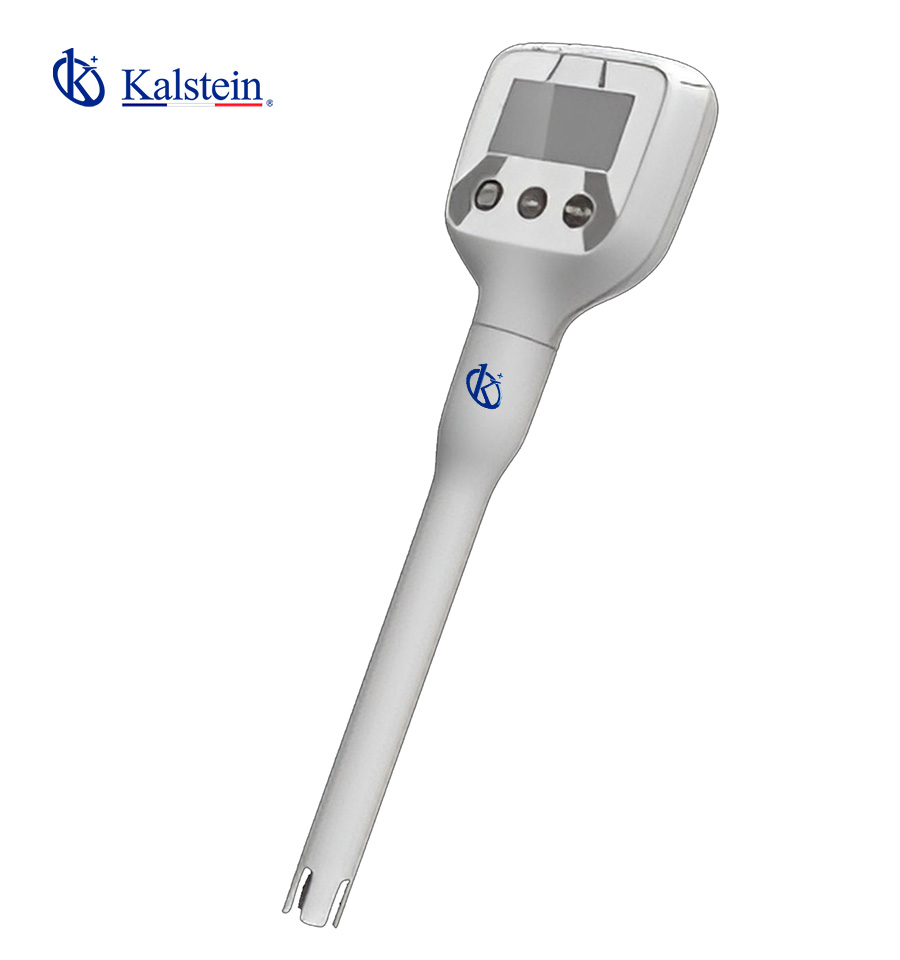
Przenośne mierniki przewodności są niezbędnymi narzędziami w laboratoriach, powszechnie stosowanymi do pomiaru przewodności elektrycznej cieczy, co jest kluczowym parametrem w licznych zastosowaniach, od testów środowiskowych po procesy przemysłowe. Modele takie jak Miernik Przewodności Pocket °C/°F YR01805 i Miernik TDS °C/°F YR01810 zapewniają wiarygodne pomiary i mogą być bezproblemowo zintegrowane z LIMS w celu poprawy zarządzania danymi.
Integracja umożliwia rejestrowanie danych w czasie rzeczywistym, automatyczne raportowanie i poprawioną identyfikowalność, co ułatwia zgodność z normami takimi jak ISO 17025. Inteligentne funkcje wbudowane w te mierniki, takie jak automatyczna kalibracja i przechowywanie danych, dodatkowo usprawniają procesy laboratoryjne, zapewniając dokładność i efektywność.
Kluczowe cechy przenośnych mierników przewodności
Automatyczna kalibracja
Automatyczna kalibracja to istotna cecha przenośnych mierników przewodności, takich jak Miernik Przewodności Pocket °C/°F YR01806. Minimalizuje błędy użytkownika i zapewnia spójną dokładność pomiarów, co jest szczególnie ważne przy integracji danych z LIMS.
Przechowywanie i odzyskiwanie danych
Modele takie jak Miernik TDS °C/°F YR01809 oferują zaawansowane możliwości przechowywania danych. Ta funkcja pozwala laboratoriom na bezpośrednie rejestrowanie danych w LIMS, co ułatwia uproszczone raportowanie i analizę danych historycznych.
Korzyści z integracji LIMS z przenośnymi miernikami przewodności
Poprawiona dokładność danych i identyfikowalność
Integracja przenośnych mierników przewodności z LIMS poprawia dokładność danych poprzez eliminację błędów ręcznego wprowadzania danych. Na przykład Miernik Przewodności Pocket °C/°F YR01808 charakteryzuje się solidną konstrukcją, która zapewnia wiarygodne pomiary, co z kolei poprawia jakość danych przechowywanych w LIMS.
Uproszczone procesy i zwiększona efektywność
Integracja LIMS prowadzi do znaczącej poprawy procesów roboczych. Podłączając urządzenia takie jak Miernik TDS YR01811 bezpośrednio do LIMS, laboratoria mogą automatycznie synchronizować dane pomiarowe, co zmniejsza czas poświęcony na wprowadzanie i zarządzanie danymi.
Porównanie dostępnych modeli
| Kod modelu | Zakres pomiaru | Punkty kalibracyjne | Zintegrowane funkcje | Najlepszy przypadek użycia |
|---|---|---|---|---|
| YR01805 | 0~10 mS/cm | 1 punkt (1413 µS/cm) | Automatyczne wyłączanie, klasa IP57 | Pomiary w terenie |
| YR01806 | -2.00~19.99 pH | 1-3 punkty | Rejestracja danych, ATC | Testy laboratoryjne |
| YR01808 | 0 do 20.00 mS/cm | 1-3 punkty | Wielozakresowy, automatyczna kompensacja temperatury | Testowanie jakości wody |
| YR01809 | 0 do 20.00 mS/cm | 1-3 punkty | Szybka reakcja, wiarygodne odczyty | Ogólne zastosowanie laboratoryjne |
| YR01810 | 0 do 20.00 mS/cm | 1-3 punkty | Podwójny wyświetlacz LCD, tryby TDS i zasolenia | Analiza środowiskowa |
| YR01811 | 0.5 do 100.0 ppm | 1 punkt | Automatyczne wyłączanie | Pomiary niskich stężeń |
Typowe błędy i jak ich unikać
Jednym z typowych błędów przy integracji przenośnych mierników przewodności z LIMS jest brak zapewnienia zgodności między urządzeniami a oprogramowaniem LIMS. Ważne jest, aby zweryfikować, że protokoły używane przez mierniki, takie jak HL7 lub ASTM, są wspierane przez LIMS, aby zapewnić bezproblemowy transfer danych.
Kolejnym błędem jest zaniedbanie regularnych harmonogramów kalibracji. W przypadku modeli takich jak przenośny miernik przewodności °C/°F YR01806, ustalenie rutynowego planu kalibracji zapewnia spójność dokładności danych i niezawodności, co jest kluczowe dla zgodności z przepisami.
Najczęściej zadawane pytania
Jak integracja LIMS zwiększa funkcjonalność przenośnych mierników przewodności?
Integracja LIMS zwiększa funkcjonalność przenośnych mierników przewodności, umożliwiając automatyczne przechwytywanie danych i minimalizując błąd ludzki. Modele takie jak przenośny miernik przewodności °C/°F YR01808 dostarczają wiarygodnych pomiarów, które mogą być bezpośrednio rejestrowane w LIMS, poprawiając dokładność danych i efektywność operacji laboratoryjnych.
Jakie są kluczowe korzyści z używania przenośnych mierników przewodności z LIMS w laboratoriach?
Kluczowe korzyści to śledzenie danych w czasie rzeczywistym, zwiększona dokładność i usprawnione przepływy pracy. Na przykład, przenośny miernik TDS °C/°F YR01810 umożliwia szybkie pomiary, które mogą być natychmiast przesyłane do LIMS, co ułatwia lepsze zarządzanie danymi i zgodność z normami branżowymi.
Który przenośny miernik przewodności jest najlepszy do testów środowiskowych, gdy jest zintegrowany z LIMS?
Miernik przewodności Pocket °C/°F YR01808 jest szczególnie dobrze dostosowany do zastosowań w testach środowiskowych. Jego automatyczna kompensacja temperatury i możliwości wielozakresowe czynią go idealnym do integracji z LIMS, zapewniając niezawodne zarządzanie danymi i zgodność.
Jakie protokoły kalibracji powinny stosować laboratoria dla przenośnych mierników przewodności?
Laboratoria powinny stosować standardowe protokoły kalibracji, zazwyczaj obejmujące od jednego do trzech punktów kalibracji w zależności od modelu. Na przykład, miernik TDS Pocket YR01811 obsługuje kalibrację jednopunktową, co jest skuteczne dla wielu testów o niskim stężeniu.
Jak przenośne mierniki przewodności spełniają normy ISO 17025?
Przenośne mierniki przewodności spełniają normy ISO 17025, zapewniając dokładne, niezawodne pomiary, które są możliwe do śledzenia. Modele takie jak miernik przewodności Pocket °C/°F YR01806 zawierają funkcje wspierające dokumentację i integralność danych potrzebne do zgodności z ISO.
Jakie cechy sprawiają, że miernik TDS Pocket YR01810 nadaje się do użytku w laboratoriach?
Miernik TDS Pocket YR01810 nadaje się do użytku w laboratoriach dzięki podwójnemu wyświetlaczowi i możliwości wykonywania pomiarów TDS i zasolenia. Jego możliwości integracji z LIMS dodatkowo zwiększają jego użyteczność do dokładnego rejestrowania danych.
Jak laboratoria mogą zoptymalizować zarządzanie danymi z zintegrowanymi przenośnymi miernikami przewodności?
Laboratoria mogą zoptymalizować swoje zarządzanie danymi, korzystając z przenośnych mierników przewodności, które oferują funkcje rejestrowania danych i kalibracji, takie jak miernik przewodności Pocket °C/°F YR01805. Integrując te urządzenia z LIMS, laboratoria mogą zautomatyzować wprowadzanie danych, poprawić dokładność danych i zapewnić zgodność z przepisami.
Jakie są operacyjne zalety korzystania z miernika przewodności Pocket °C/°F YR01811 w warunkach terenowych?
Przenośny miernik przewodności °C/°F YR01811 oferuje zalety operacyjne, takie jak łatwość obsługi i przenośność, co czyni go idealnym do zastosowań w terenie. Jego funkcja automatycznego wyłączania oraz integracja danych z LIMS dodatkowo zwiększają jego praktyczność w pomiarach w ruchu.
Jeśli szukasz połączenia innowacji i jakości, trafiłeś we właściwe miejsce. W Kalstein oferujemy Ci luksus odkrywania naszego ekskluzywnego katalogu sprzętu laboratoryjnego. Produkujemy każde urządzenie zgodnie z najwyższymi standardami doskonałości. Nasze intuicyjne i bezproblemowe kanały zakupu online są zaprojektowane z myślą o Twojej wygodzie, zapewniając najbardziej konkurencyjne ceny. Nie wahaj się dłużej — przywracamy naukę do życia, czas stać się częścią naszej społeczności.