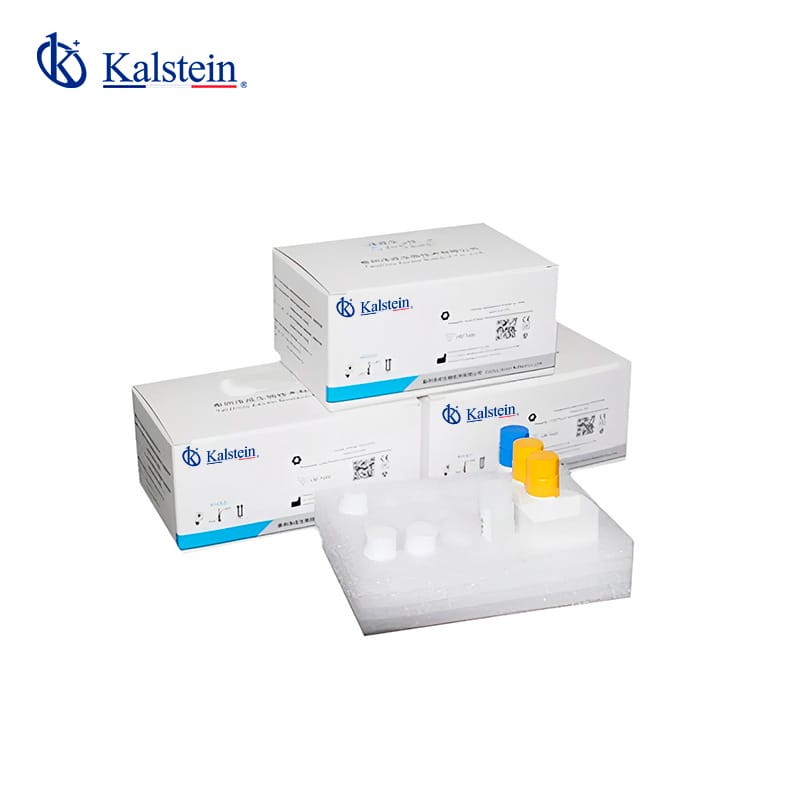
Jak zintegrować odczynniki chemiluminescencyjne z LIMS w celu cyfryzacji danych?
W nowoczesnym krajobrazie laboratoryjnym integracja odczynników chemiluminescencyjnych z systemami zarządzania informacjami laboratoryjnymi (LIMS) jest niezbędna do zwiększenia efektywności i dokładności zarządzania danymi. Artykuł ten zagłębia się w zawiłości cyfryzacji danych, podkreślając zalety płynnej integracji w procesach laboratoryjnych.
Zrozumienie odczynników chemiluminescencyjnych w praktyce laboratoryjnej
Odczynniki chemiluminescencyjne są kluczowe w różnych testach biochemicznych, oferując wysoką czułość i specyfikę. Te odczynniki ułatwiają wykrywanie analitów w złożonych próbkach, co czyni je niezbędnymi w diagnostyce klinicznej. Zastosowanie chemiluminescencji jest szczególnie godne uwagi w analizie funkcji tarczycy, gdzie testy takie jak te z serii YRA dostarczają istotnych informacji na temat poziomów hormonów.
Włączenie odczynników chemiluminescencyjnych do LIMS zwiększa śledzenie i zarządzanie wynikami testów, jednocześnie usprawniając operacje laboratoryjne. Ta integracja pozwala laboratoriom na utrzymanie zgodności z normami regulacyjnymi, zapewniając dokładne raportowanie i obsługę danych.
Zalety integracji LIMS z odczynnikami chemiluminescencyjnymi
Integracja odczynników chemiluminescencyjnych z LIMS przynosi kilka korzyści:
- Poprawa zarządzania danymi: Zautomatyzowane wprowadzanie danych minimalizuje błędy ludzkie, zapewniając integralność danych.
- Śledzenie: LIMS ułatwia śledzenie próbek i odczynników, zwiększając zgodność z normami takimi jak ISO 17025.
- Zwiększona efektywność: Usprawnione procesy robocze skracają czas realizacji, umożliwiając szybsze wyniki.
Protokoły łączności dla LIMS i odczynników chemiluminescencyjnych
Integracja LIMS z analizatorami chemiluminescencyjnymi wymaga solidnego zrozumienia protokołów łączności. Powszechnie stosowane protokoły obejmują:
- HL7: Często używany w środowiskach opieki zdrowotnej do wymiany danych.
- ASTM: Oferuje standardy dla elektronicznej wymiany danych w laboratoriach.
- REST: Nowoczesne podejście do integracji usług internetowych.
Zrozumienie tych protokołów jest kluczowe dla udanej integracji, umożliwiając laboratoriom zapewnienie przepływu danych i komunikacji między systemami.
Kluczowe specyfikacje odczynników chemiluminescencyjnych
Każdy model odczynników chemiluminescencyjnych ma specyficzne cechy, które mogą wpływać na ich kompatybilność z LIMS:
| Model | Opis | Najlepsze dla |
|---|---|---|
| YRA279 | Kompleksowe testy na choroby tarczycy, obejmujące TSH, TT3, TT4 i inne. | Kliniki koncentrujące się na analizie funkcji tarczycy. |
| YRA280 | Szczegółowe markery funkcji tarczycy dla dokładnej diagnozy chorób. | Praktyki endokrynologiczne wymagające precyzyjnych ocen hormonów. |
| YRA281 | Oferuje szerokie opcje testowania dla chorób związanych z tarczycą. | Laboratoria kładące nacisk na dokładność diagnostyczną. |
| YRA282 | Skupia się na kluczowych hormonach tarczycy dla kompleksowej oceny. | Laboratoria badawcze potrzebujące szczegółowych profili hormonalnych. |
| YRA283 | Integruje wiele testów tarczycy w jeden test. | Laboratoria multidyscyplinarne do różnorodnych testów. |
| YRA284 | Zmaksymalizowana efektywność w protokołach testowania tarczycy. | Szybkie kliniki wymagające szybkich wyników. |
Wyzwania w integracji LIMS z odczynnikami chemiluminescencyjnymi
Pomimo zalet, integracja LIMS z odczynnikami chemiluminescencyjnymi stawia przed nami kilka wyzwań:
- Standaryzacja danych: Zmienność formatów danych może skomplikować integrację.
- Implikacje kosztowe: Początkowe wydatki na oprogramowanie i aktualizacje systemu mogą być znaczące.
- Wymagania szkoleniowe: Personel musi być odpowiednio przeszkolony, aby skutecznie korzystać z nowych systemów.
Rozwiązanie tych wyzwań jest kluczowe dla laboratoriów dążących do osiągnięcia doskonałości operacyjnej.
Porównanie dostępnych modeli
| Model | Obsługiwane protokoły | Wysiłek integracyjny | Najlepsze dla |
|---|---|---|---|
| YRA279 | HL7, ASTM | Umiarkowany | Testowanie chorób tarczycy |
| YRA280 | REST, HL7 | Łatwy | Ogólna endokrynologia |
| YRA281 | ASTM | Wysoki | Laboratoria badawcze |
| YRA282 | HL7 | Umiarkowany | Diagnostyka kliniczna |
| YRA283 | REST | Łatwy | Laboratoria wielotestowe |
| YRA284 | HL7, ASTM | Wysoki | Szybkie laboratoria |
Typowe błędy i jak ich unikać
Integracja odczynników chemiluminescencyjnych z LIMS może prowadzić do pułapek, jeśli nie zostanie przeprowadzona ostrożnie:
- Ignorowanie szkolenia personelu: Upewnij się, że cały personel jest przeszkolony, aby zminimalizować błędy.
- Ignorowanie bezpieczeństwa danych: Utrzymuj rygorystyczne protokoły ochrony danych, aby uniknąć naruszeń.
- Przeoczenie konserwacji: Zaplanuj regularne kontrole systemu, aby zapewnić ciągłą wydajność.
Najczęściej zadawane pytania
Jak integracja LIMS może poprawić zarządzanie danymi dla reagentów chemiluminescencyjnych?
Integracja LIMS poprawia zarządzanie danymi poprzez automatyzację wprowadzania danych i śledzenie historii próbek, znacznie redukując błędy ludzkie. Na przykład, użycie reagentów YRA280 pozwala na uproszczenie wyników testów tarczycy, które mogą być przechowywane systematycznie, zapewniając zgodność z normami dokładności danych.
Jakie protokoły łączności są niezbędne dla integracji LIMS i chemiluminescencji?
Nieodzowne protokoły łączności to HL7 dla wymiany danych w opiece zdrowotnej, ASTM dla standardów laboratoryjnych oraz REST dla nowoczesnej integracji usług internetowych. Te protokoły ułatwiają płynną komunikację między systemami podczas integracji reagentów chemiluminescencyjnych serii YRA.
Jakie powszechne błędy należy unikać podczas integracji LIMS z reagentami chemiluminescencyjnymi?
Powszechne błędy to zaniedbanie szkolenia personelu, ignorowanie środków bezpieczeństwa danych oraz pomijanie regularnej konserwacji systemu. Zajęcie się tymi czynnikami jest kluczowe dla udanej integracji reagentów takich jak YRA281 w procesy laboratoryjne.
Jak różne modele reagentów chemiluminescencyjnych porównują się pod względem wysiłków integracyjnych?
Modele różnią się złożonością integracji; na przykład, YRA283 oferuje łatwą integrację z nowoczesnymi protokołami, podczas gdy YRA281 może wymagać większego wysiłku z powodu swojej zgodności z tradycyjnymi standardami. Laboratoria powinny ocenić swoje potrzeby w celu optymalnego wyboru modelu.
Jakie są korzyści z używania YRA284 w środowisku LIMS?
Użycie YRA284 w środowisku LIMS maksymalizuje efektywność dzięki szybkim testom, co pozwala na szybkie czasy realizacji diagnostyki tarczycy. Jego zgodność z protokołami HL7 i ASTM zapewnia płynną integrację i dokładne zarządzanie danymi.
Jak integracja LIMS wpływa na zgodność z ISO 17025 dla testów chemiluminescencyjnych?
Integracja LIMS wspiera zgodność z ISO 17025 poprzez automatyzację śledzenia danych, zapewniając odpowiednią dokumentację i ułatwiając identyfikowalność testów przeprowadzanych przy użyciu reagentów takich jak YRA279. Przestrzeganie norm regulacyjnych jest kluczowe dla laboratoriów dążących do akredytacji.
W jakich sytuacjach zaleca się stosowanie reagentów chemiluminescencyjnych, takich jak YRA282?
Stosowanie reagentów chemiluminescencyjnych, takich jak YRA282, jest zalecane dla laboratoriów przeprowadzających kompleksowe testy tarczycy, gdzie szczegółowe profile hormonalne są niezbędne. Integracja tego modelu z LIMS zwiększa dokładność danych i efektywność operacyjną.
Jaki wpływ ma integracja LIMS na produktywność laboratorium z reagentami chemiluminescencyjnymi?
Integracja LIMS znacząco zwiększa produktywność poprzez automatyzację rutynowych zadań, pozwalając personelowi laboratorium skupić się na analizie, a nie na wprowadzaniu danych. Użycie modeli takich jak YRA280 może prowadzić do skrócenia czasów realizacji i poprawy efektywności przepływu pracy.
Jeśli szukasz połączenia innowacji i jakości, trafiłeś we właściwe miejsce. W Kalstein oferujemy Ci luksus odkrywania naszego ekskluzywnego katalogu sprzętu laboratoryjnego. Produkujemy każde urządzenie zgodnie z najwyższymi standardami doskonałości. Nasze intuicyjne i bezproblemowe kanały zakupów online są zaprojektowane z myślą o Twojej wygodzie, zapewniając najbardziej konkurencyjne ceny. Nie wahaj się dłużej — ożywiamy naukę, czas stać się częścią naszej społeczności.