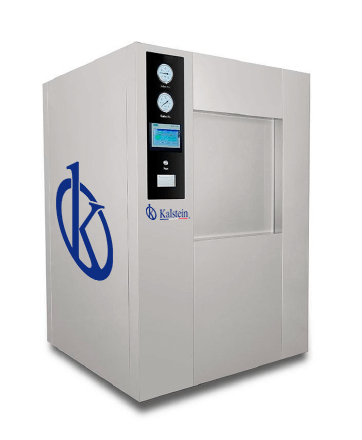
How to Ensure Compliance with ISO/IEC Standards Using Vertical Autoclaves
In today's laboratory environment, ensuring compliance with ISO/IEC standards is paramount. This article discusses how vertical autoclaves can help laboratory professionals meet these rigorous regulatory requirements. With an emphasis on specific models, we will explore their features and functionalities in the context of ISO/IEC compliance.
Understanding ISO/IEC Standards for Laboratories
The ISO/IEC standards are international frameworks that outline quality management and technical requirements for laboratories. Notably, ISO 17025 specifies the general requirements for the competence of testing and calibration laboratories. Compliance with these standards is critical in ensuring reliability, accuracy, and legality in laboratory results.
Vertical Autoclaves: The Key to Sterilization Compliance
Vertical autoclaves are essential for sterilization processes in laboratories, particularly in healthcare and research settings. They effectively eliminate microorganisms, ensuring that laboratory equipment and materials are safe for use. Meeting ISO 17025 necessitates proper documentation and procedures, which vertical autoclaves can facilitate through reliable performance and traceability features.
Specific ISO/IEC Clauses Addressed by Vertical Autoclaves
Vertical autoclaves can directly address various clauses of ISO 17025, including:
- Clause 5.4: Ensuring the integrity of test and calibration results.
- Clause 7.1: Control of the conditions under which tests are performed.
- Clause 7.2: Ensuring staff competence and training.
Each autoclave model comes equipped with features that aid in fulfilling these requirements, such as precise temperature control and data logging capabilities.
Comparison of Available Models
| Model | ISO/IEC Clauses Covered | Traceability Features | Best For |
|---|---|---|---|
| YR05653 | 5.4, 7.1 | Digital monitoring | General laboratory use |
| YR05653-1 | 5.4, 7.2 | Data logging | Pharmaceutical labs |
| YR05655 | 5.4, 7.1 | Temperature control | Research institutions |
| YR05656 | 7.2 | Real-time data display | Medical facilities |
| YR05657 | 5.4, 7.1, 7.2 | PID control | High-throughput environments |
| YR05658 | 5.4, 7.1 | Traceable records | Laboratories requiring high standards |
Common Mistakes and How to Avoid Them
Laboratory professionals often make critical mistakes regarding compliance, which can result in costly delays and penalties. Here are some common pitfalls:
- Neglecting Documentation: Ensure that all sterilization processes are documented properly, as required by ISO 17025.
- Inadequate Training: Staff must be trained on the operation of vertical autoclaves to maintain compliance with clause 7.2.
- Ignoring Maintenance: Regular maintenance is crucial for reliable operation; neglecting this can lead to breaches in compliance.
Frequently Asked Questions
How can vertical autoclaves help achieve ISO 17025 compliance in a laboratory?
Vertical autoclaves like the YR05655 provide essential sterilization capabilities that ensure compliance with ISO 17025 by helping maintain accurate test results and precise control of sterilization conditions.
Which vertical autoclave model is best for meeting IEC 61010 standards?
The model YR05653-1 is designed to meet IEC 61010 standards, ensuring safety and reliability in electrical equipment used in laboratories, which is crucial for compliance.
What documentation is needed for compliance with ISO 17025 when using autoclaves?
When using autoclaves like YR05656, laboratories must document sterilization cycles, maintenance logs, and staff training records to comply with ISO 17025 documentation requirements.
How often should vertical autoclaves be calibrated for regulatory compliance?
Calibration of vertical autoclaves, including the YR05657, should be conducted regularly, ideally every 6-12 months, to ensure continued compliance with ISO 17025 standards.
What are the key features to look for in an ISO compliant vertical autoclave?
Key features to consider include precise temperature control, data logging capabilities, and robust documentation features, all of which are present in models like YR05658.
How does staff training impact compliance with ISO/IEC standards?
Staff training is vital for compliance with ISO/IEC standards, particularly for operations using vertical autoclaves like the YR05655, as knowledgeable staff ensure correct use and maintenance.
What are the benefits of using a vertical autoclave in a pharmaceutical lab?
Using vertical autoclaves such as the YR05653-1 in pharmaceutical labs enhances sterilization efficiency and ensures compliance with strict regulatory standards like ISO 17025.
How can a laboratory ensure traceability when using vertical autoclaves?
To ensure traceability while using vertical autoclaves like the YR05656, laboratories should implement digital monitoring and record-keeping systems that comply with ISO 17025 requirements.
If you are looking for a fusion of innovation and quality, you have come to the right place. At Kalstein, we offer you the luxury of exploring our exclusive catalog of laboratory equipment. We manufacture every device to the highest standards of excellence. Our intuitive and seamless online purchasing channels are designed for your convenience, securing the most competitive prices. Hesitate no longer — we bring science to life, it is time to become part of our community.