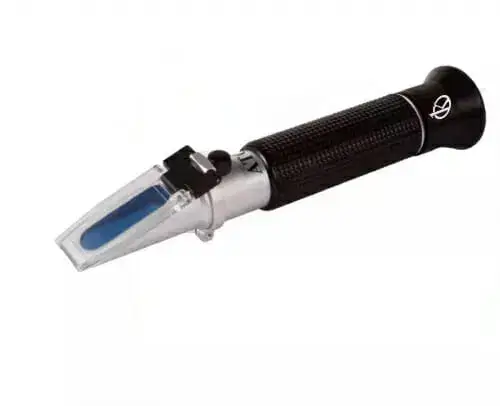
How to Ensure ISO/IEC Compliance with Salinity Refractometers in Laboratories?
Salinity refractometers play a critical role in laboratories engaged in quality control, especially in marine industries and clinical research settings. Understanding the importance of ISO/IEC compliance not only enhances the reliability of your testing processes but also ensures adherence to international standards that govern laboratory practices. This article delves into the essential ISO/IEC standards relevant to salinity refractometers, compares different models, and outlines common mistakes to avoid in order to achieve compliance.
Understanding ISO/IEC Standards in Laboratory Testing
ISO/IEC standards are crucial for ensuring that laboratory operations meet international quality benchmarks. Among these, ISO 17025 stands out, as it specifies the general requirements for the competence of testing and calibration laboratories. Compliance with these standards ensures the reliability and accuracy of test results. Salinity refractometers, such as the YR05887, YR05888, YR05913, and YR05914, are designed to assist laboratories in meeting such compliance criteria by providing accurate and reliable salinity measurements.
ISO 17025 Compliance and Salinity Refractometers
ISO 17025 emphasizes the need for quality management in laboratories. Salinity refractometers must be calibrated and maintained following these standards. Regular calibration ensures that the readings for salinity concentration are accurate and compliant with the expected outcomes as defined by ISO 17025. For instance, the YR05887 model is equipped with automatic temperature compensation (ATC), which is essential for maintaining accuracy in varying temperature conditions.
IEC 61010: Safety Standards for Laboratory Equipment
IEC 61010 outlines the safety requirements for electrical equipment used in laboratories. Salinity refractometers must adhere to these standards to ensure safe operation. This compliance protects both the user and the equipment. Models like YR05888 are designed with materials that ensure durability and safety, reducing the risk of accidents in the laboratory environment.
Documentation Requirements for Compliance
Maintaining detailed documentation is a key aspect of ISO/IEC compliance. Laboratories must document calibration records, maintenance schedules, and training of personnel operating salinity refractometers. Each model, including the YR05913, should have a user manual that outlines best practices and compliance protocols to facilitate accurate documentation.
Traceability in Testing: Essential for Compliance
Traceability is a crucial component of compliance with ISO/IEC standards. It ensures that every measurement taken by a salinity refractometer can be traced back to recognized standards. For example, the YR05914 has features that allow for easy data logging, helping laboratories maintain traceability in their testing processes. By ensuring that results are traceable, labs can provide credible evidence of compliance during audits.
Comparison of Available Models
| Model | ISO/IEC Clauses Covered | Traceability Features | Best for |
|---|---|---|---|
| YR05887 | ISO 17025, IEC 61010 | Automatic temperature compensation | Marine industry testing |
| YR05888 | ISO 17025, IEC 61010 | Durable materials for safe use | Clinical laboratories |
| YR05913 | ISO 17025 | User manuals for compliance | Research laboratories |
| YR05914 | IEC 61010 | Data logging capabilities | Quality control settings |
Common Mistakes and How to Avoid Them
Laboratories aiming for ISO/IEC compliance often encounter pitfalls that can jeopardize their efforts. One common mistake is neglecting regular calibration of salinity refractometers. To avoid this, establish a strict calibration schedule. Additionally, failing to maintain accurate documentation can lead to compliance issues. Ensuring every test is documented meticulously will help prevent such errors.
Frequently Asked Questions
How do salinity refractometers ensure compliance with ISO 17025 standards?
Salinity refractometers, such as the YR05887, ensure compliance with ISO 17025 by providing accurate measurements that are regularly calibrated and documented. Calibration logs and adherence to defined operational protocols contribute to maintaining compliance.
What features should I look for in a compliant salinity refractometer?
When selecting a compliant salinity refractometer, look for models like the YR05888 that offer automatic temperature compensation and durable construction. These features help ensure accurate readings, which are crucial for meeting ISO/IEC standards.
How often should I calibrate my salinity refractometer to maintain compliance?
To maintain compliance with ISO standards, calibrate your salinity refractometer, such as the YR05914, at least once a month or before significant testing events. Regular calibration ensures accurate and reliable results.
What documentation is required for ISO compliance with refractometers?
Documentation for ISO compliance with refractometers includes calibration records, maintenance logs, and user training documentation. Models like the YR05913 provide user manuals that assist in maintaining proper records.
Which salinity refractometer is best for marine industry compliance?
The YR05887 salinity refractometer is best suited for marine industry compliance due to its ability to accurately measure salinity levels and its adherence to ISO 17025 standards, making it ideal for quality control in marine settings.
How do I ensure traceability when using salinity refractometers?
Ensure traceability by using salinity refractometers like the YR05914 that include data logging capabilities. Keeping thorough records of measurements allows for easy traceability and compliance verification in laboratory settings.
What are the consequences of non-compliance with ISO/IEC standards in laboratories?
Non-compliance with ISO/IEC standards can lead to inaccurate testing results, loss of credibility, and potential legal repercussions. Using compliant models such as the YR05888 helps mitigate these risks.
How can I streamline the process of achieving compliance with salinity refractometers?
To streamline compliance with salinity refractometers, integrate regular calibration schedules and comprehensive documentation practices. Models like the YR05913 help facilitate this by providing clear manuals and operational guidelines.
If you are looking for a fusion of innovation and quality, you have come to the right place. At Kalstein, we offer you the luxury of exploring our exclusive catalog of laboratory equipment. We manufacture every device to the highest standards of excellence. Our intuitive and seamless online purchasing channels are designed for your convenience, securing the most competitive prices. Hesitate no longer — we bring science to life, it is time to become part of our community.