Jak zapewnić protokoły biosafety z przenośnymi miernikami pH?
W warunkach laboratoryjnych bezpieczne posługiwanie się przenośnymi miernikami pH jest kluczowe dla utrzymania protokołów biosafety. Urządzenia te odgrywają istotną rolę w różnych zastosowaniach, w tym w testach środowiskowych, zapewnieniu jakości żywności i napojów oraz w rozwoju farmaceutycznym. Zrozumienie, jak skutecznie zarządzać biosafety podczas korzystania z przenośnych mierników pH, zapewnia dokładne wyniki i bezpieczeństwo operatora. Artykuł ten bada różne modele, ich specyfikacje oraz to, jak są zgodne z normami biosafety.
Znaczenie protokołów biosafety w laboratoriach
Protokoły biosafety są niezbędne w laboratoriach, aby zminimalizować ryzyko związane z czynnikami biologicznymi. Protokoły te obejmują ścisłe procedury operacyjne, aby chronić personel laboratoryjny, środowisko i społeczność przed narażeniem na niebezpieczne materiały. Korzystając z przenośnych mierników pH, przestrzeganie tych protokołów zapewnia, że operatorzy używają sprzętu w sposób bezpieczny, zapobiegając kontaminacji i zapewniając wiarygodne pomiary.
Kluczowe cechy przenośnych mierników pH dla zwiększenia bezpieczeństwa
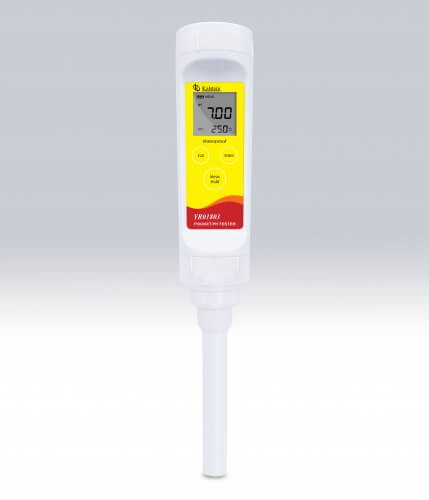
Przenośne mierniki pH wyposażone w określone cechy zwiększają protokoły biosafety. Cechy te obejmują automatyczną kalibrację, kompensację temperatury oraz solidne konstrukcje, które wytrzymują trudne warunki. Na przykład modele takie jak YR01803 z automatyczną kompensacją temperatury pomagają zapewnić dokładne odczyty w zmieniających się warunkach, chroniąc zarówno operatora, jak i integralność próbek.
Porównanie dostępnych modeli
| Model | Zakres pH | Punkty kalibracji | Kompensacja temperatury | Najlepsze do |
|---|---|---|---|---|
| YR01803 | -1.00 do 15.00 pH | 1 do 3 punktów | Automatyczna | Pomiary małych próbek |
| YR01804 | -1.00 do 15.00 pH | 1 do 3 punktów | Ręczna | Zastosowania na zewnątrz |
| YR01800 | -1.00 do 15.00 pH | 1 do 3 punktów | Automatyczna | Użycie w terenie |
| YR01802 | -1.00 do 15.00 pH | 1 do 3 punktów | Automatyczna | Pomiary półstałych substancji |
Typowe błędy i jak ich unikać
Wielu profesjonalistów laboratoryjnych popełnia powszechne błędy podczas korzystania z przenośnych mierników pH, które mogą zagrażać bezpieczeństwu i dokładności. Jednym z częstych błędów jest zaniedbanie kalibracji miernika przed użyciem, co prowadzi do nieprawidłowych odczytów. Zawsze upewnij się, że miernik jest skalibrowany zgodnie z instrukcjami producenta, jak w modelach takich jak YR01803, które obsługują do trzech punktów kalibracji. Innym błędem jest nieużywanie odpowiedniego elektrody do rodzaju próbki, co może wpłynąć na wiarygodność wyników.
Kluczowe uwagi dotyczące bezpiecznego korzystania z przenośnych mierników pH
Aby zapewnić bezpieczeństwo podczas korzystania z przenośnych mierników pH, kluczowe jest noszenie odpowiedniego osobistego sprzętu ochronnego (PPE), takiego jak rękawice i gogle. Dodatkowo, ustanowienie protokołów dekontaminacji dla instrumentów i powierzchni roboczych może zminimalizować ryzyko zanieczyszczenia. Na przykład, modele takie jak YR01804 z złączem BNC mogą pomieścić różne elektrody dostosowane do różnych środowisk testowych, co dodatkowo zwiększa bezpieczeństwo operatora.
Zrozumienie standardów i procedur kalibracji
Kalibracja jest kluczowa dla dokładnego działania przenośnych mierników pH. Każdy model zazwyczaj obsługuje wiele punktów kalibracji, co pozwala na dostosowanie odczytów na podstawie standardowych buforów. Używając YR01802, na przykład, użytkownik może skalibrować urządzenie w stosunku do buforów NIST, zapewniając zgodność z branżowymi standardami dokładności pomiaru pH.
Najlepsze praktyki w zakresie obsługi próbek z przenośnymi miernikami pH
Podczas obsługi próbek upewnij się, że przenośny miernik pH jest czysty i wolny od zanieczyszczeń. Po każdym użyciu niezbędne jest przepłukanie elektrody wodą destylowaną i odpowiednie jej przechowywanie, aby zachować jej skuteczność. Regularna konserwacja i przestrzeganie najlepszych praktyk nie tylko wydłuży żywotność urządzenia, ale także zapewni, że testy przyniosą wiarygodne dane.
Najczęściej zadawane pytania
Jakie są protokoły biosafety dotyczące korzystania z przenośnych mierników pH?
Aby zapewnić biosafety podczas korzystania z przenośnych mierników pH, takich jak YR01803, ważne jest przestrzeganie protokołów, które obejmują odpowiednią kalibrację, noszenie PPE oraz regularną dekontaminację sprzętu. Praktyki te minimalizują ryzyko zanieczyszczenia i chronią personel laboratoryjny.
Jak kalibracja przenośnych mierników pH wpływa na biosafety?
Kalibracja przenośnych mierników pH, takich jak YR01804, jest kluczowa dla dokładnych pomiarów pH. Nieprawidłowa kalibracja może prowadzić do niewiarygodnych wyników, co może zagrozić wynikowi eksperymentów i bezpieczeństwu. Regularna kalibracja zgodnie z ustalonymi protokołami jest niezbędna do utrzymania dokładności.
Jaki przenośny miernik pH jest najlepszy do testów środowiskowych?
Przenośny miernik pH YR01803 jest dobrze przystosowany do testów środowiskowych dzięki automatycznej kompensacji temperatury i wysokiej dokładności. Ten model zapewnia, że odczyty są wiarygodne w różnych warunkach środowiskowych, co jest kluczowe dla zgodności z normami biosafety.
Jakie środki ochrony osobistej są zalecane podczas używania przenośnych mierników pH?
Podczas używania przenośnych mierników pH zaleca się noszenie rękawic, okularów ochronnych i fartuchów laboratoryjnych, aby chronić się przed narażeniem na substancje chemiczne. Ten sprzęt ochrony osobistej zapobiega potencjalnemu zanieczyszczeniu i zapewnia bezpieczeństwo operatora podczas pomiarów.
Jak często należy kalibrować przenośne mierniki pH w celu zapewnienia zgodności?
Przenośne mierniki pH, takie jak YR01802, powinny być kalibrowane przed każdym użyciem lub przynajmniej codziennie przy częstym użytkowaniu. Regularna kalibracja zapewnia, że odczyty pozostają dokładne, przestrzegając standardów zgodności i poprawiając protokoły bezpieczeństwa w środowiskach laboratoryjnych.
Jakie czynności konserwacyjne są wymagane dla przenośnych mierników pH?
Regularna konserwacja przenośnych mierników pH obejmuje czyszczenie elektrod po każdym użyciu, regularne sprawdzanie kalibracji oraz odpowiednie przechowywanie. Na przykład model YR01800 oferuje łatwość konserwacji, zapewniając długoterminową niezawodność i dokładne wyniki.
Jak przenośne mierniki pH przyczyniają się do bezpieczeństwa w laboratoriach?
Przenośne mierniki pH, takie jak YR01804, przyczyniają się do bezpieczeństwa w laboratoriach, zapewniając dokładne pomiary, zmniejszając ryzyko narażenia na substancje chemiczne i umożliwiając bezpieczne praktyki obsługi. Dokładne odczyty pH pomagają utrzymać zgodność z protokołami bezpieczeństwa w różnych zastosowaniach.
Jakie cechy powinienem szukać w przenośnym mierniku pH dla bezpieczeństwa?
Szukaj przenośnych mierników pH, które oferują automatyczną kalibrację, kompensację temperatury i trwałość, takich jak YR01803. Te cechy zwiększają dokładność pomiarów i zapewniają zgodność z protokołami biosafety, co czyni je idealnymi do środowisk laboratoryjnych.
Jeśli szukasz połączenia innowacji i jakości, trafiłeś we właściwe miejsce. W Kalstein oferujemy Ci luksus odkrywania naszego ekskluzywnego katalogu sprzętu laboratoryjnego. Produkujemy każde urządzenie zgodnie z najwyższymi standardami doskonałości. Nasze intuicyjne i bezproblemowe kanały zakupowe online są zaprojektowane z myślą o Twojej wygodzie, zapewniając najbardziej konkurencyjne ceny. Nie wahaj się dłużej — ożywiamy naukę, czas stać się częścią naszej społeczności.