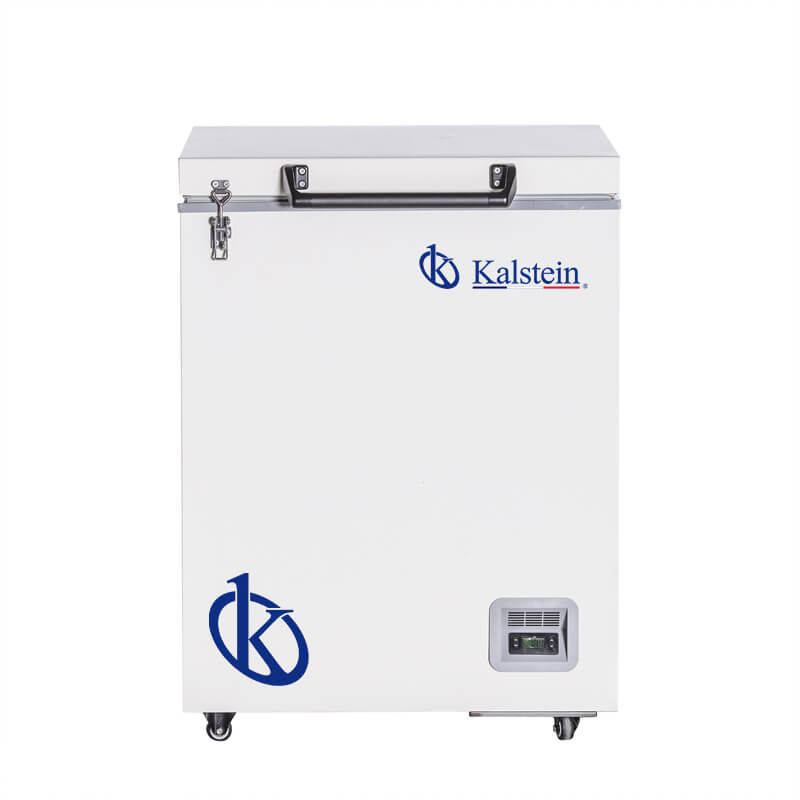
How to Implement Predictive Maintenance and Recommended Calibration for Chest Freezers
Chest freezers are essential equipment in laboratories, particularly for the storage of sensitive biological samples and pharmaceuticals. Ensuring their optimal performance through predictive maintenance and regular calibration is crucial. This article delves into the specific requirements for maintaining chest freezers, covering techniques to enhance longevity and efficiency.
Understanding Predictive Maintenance for Chest Freezers
Predictive maintenance involves monitoring the operational performance of chest freezers to predict potential failures before they occur. This strategy relies on data collected from various sensors, enabling lab technicians to take preemptive action against equipment failure. For instance, chest freezer models like YR05102 and YR05103 offer advanced features such as real-time temperature monitoring and numerous alarms for malfunction detection, ensuring reliability.
Calibration Requirements for Chest Freezers
Regular calibration is essential to maintain the accuracy of temperature settings in chest freezers. The recommended calibration frequency typically varies based on laboratory regulations and equipment usage. Calibration intervals should ideally be set up every six months, or more frequently for high-use environments. Models like YR05314 and YR05315, designed for ultra-low temperatures, require strict adherence to calibration protocols to guarantee the integrity of stored samples.
Key Features to Look for in Chest Freezers
When selecting chest freezers for predictive maintenance and calibration purposes, consider features such as:
- Microprocessor control for precise temperature regulation
- Digital LED displays for easy monitoring
- Built-in alarms for high/low temperature alerts
- Energy-efficient refrigeration systems
These features are particularly beneficial in models like YR05104 and YR05313, which are engineered for superior performance and reliability.
Comparison of Available Models
| Model | Temperature Range (°C) | Power Consumption (kWh/24h) | Best For |
|---|---|---|---|
| YR05102 | -10 to -40 | 1.65 | General laboratory use |
| YR05103 | -10 to -40 | 1.68 | Research applications |
| YR05104 | -20 to -40 | 3.45 | Pharmaceutical storage |
| YR05314 | -40 to -86 | 11.5 | Laboratory samples requiring ultra-low temperatures |
| YR05313 | -40 to -86 | 3.8 | Small-scale laboratory use |
| YR05315 | -25 to -60 | 3.2 | Biomedical applications |
Common Mistakes and How to Avoid Them
One of the common mistakes in maintaining chest freezers is neglecting routine checks for alarm systems and temperature settings. Another error is failing to document calibration activities properly, which can lead to compliance issues. To avoid these pitfalls, implement a standardized checklist for daily inspections and maintain an accurate log of all calibration efforts, particularly for models such as YR05314 and YR05315, which serve critical functions in research and medical environments.
Best Practices for Predictive Maintenance
To ensure optimal performance, follow these best practices:
- Utilize predictive analytics software to monitor performance data.
- Regularly review alarm histories to identify trends.
- Schedule maintenance based on usage patterns and historical data.
By employing these strategies, laboratories can significantly improve the effectiveness of chest freezers like the YR05102 and YR05103, enhancing their overall operational efficiency.
Importance of Energy Efficiency in Chest Freezers
Energy consumption is a crucial consideration for laboratories aiming to reduce operational costs. Efficient models, such as the YR05313, are designed to minimize energy usage while ensuring performance. Implementing energy-efficient practices can lead to substantial savings over time and contribute to a lab's sustainability goals.
Frequently Asked Questions
What is the ideal calibration frequency for chest freezers in laboratories?
The ideal calibration frequency for chest freezers typically ranges from every six months to annually, depending on the model and usage. For high-usage models like YR05314, more frequent checks are advisable to maintain accuracy and compliance.
How does predictive maintenance enhance the lifespan of chest freezers?
Predictive maintenance enhances the lifespan of chest freezers by identifying potential failures early and enabling timely interventions. Models like YR05103 are equipped with features that support this maintenance strategy, ensuring ongoing reliability.
Which chest freezer model is best for ultra-low temperature storage?
The YR05314 is among the best models for ultra-low temperature storage, capable of reaching -86°C. Regular calibration is crucial for this model to maintain the integrity of sensitive samples stored within.
How can I improve energy efficiency in my laboratory's chest freezers?
To improve energy efficiency in chest freezers, consider models such as the YR05313, which are designed with energy-saving features. Regular maintenance and optimal placement in labs can further enhance efficiency.
What are the common calibration standards for laboratory equipment?
Common calibration standards for laboratory equipment include ISO 17025 and ASTM standards, ensuring accuracy and compliance. Regular calibration of models like YR05102 is essential to meet these standards.
What factors should be included in a predictive maintenance plan for chest freezers?
A predictive maintenance plan should include performance monitoring, routine inspections, alarm testing, and calibration scheduling. This is particularly relevant for models like YR05104, which have critical applications.
How do I document calibration activities for chest freezers?
Document calibration activities by maintaining a log that includes date, technician name, model information, and calibration results. This is crucial for compliance and is particularly important for models such as YR05315.
What are the benefits of using microprocessor-controlled chest freezers?
Microprocessor-controlled chest freezers, like the YR05103, offer precise temperature control and improved reliability. They help in maintaining optimal conditions for sensitive samples, reducing the risk of spoilage.
If you are looking for a fusion of innovation and quality, you have come to the right place. At Kalstein, we offer you the luxury of exploring our exclusive catalog of laboratory equipment. We manufacture every device to the highest standards of excellence. Our intuitive and seamless online purchasing channels are designed for your convenience, securing the most competitive prices. Hesitate no longer — we bring science to life, it is time to become part of our community.