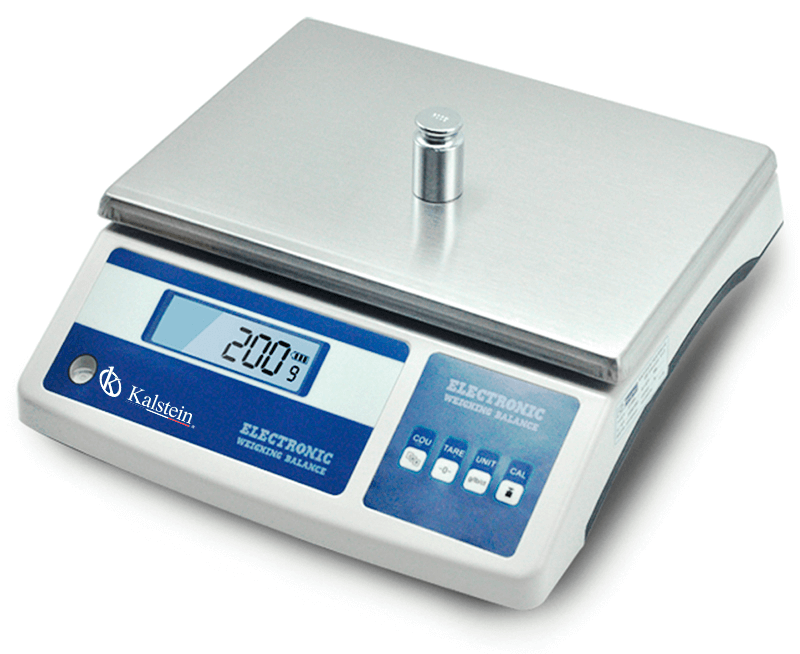
Jak wdrożyć prognozowane utrzymanie i kalibrację dla wag przemysłowych?
W dziedzinie praktyk laboratoryjnych znaczenie utrzymania precyzji pomiarów jest nie do przecenienia. Wagi przemysłowe, które są istotnymi instrumentami w różnych sektorach, w tym farmaceutycznym, chemicznym i spożywczym, wymagają regularnego utrzymania i kalibracji, aby zapewnić ich optymalną funkcjonalność. Artykuł ten zagłębia się w strategie prognozowanego utrzymania oraz znaczenie okresowej kalibracji dostosowanej specjalnie do wag przemysłowych.
Zrozumienie prognozowanego utrzymania w wagach przemysłowych
Prognozowane utrzymanie obejmuje proaktywne strategie mające na celu przewidywanie, kiedy sprzęt ulegnie awarii, aby konserwacja mogła być przeprowadzona w odpowiednim czasie, aby uniknąć niespodziewanych przerw w działaniu. W przypadku wag przemysłowych polega to na analizowaniu trendów danych w celu optymalizacji harmonogramów konserwacji, co zwiększa dokładność i redukuje przestoje.
Znaczenie kalibracji w wagach przemysłowych
Kalibracja jest kluczowa dla zapewnienia, że wagi przemysłowe dostarczają dokładnych pomiarów. Regularna kalibracja pomaga w identyfikacji wszelkich odchyleń od standardowych pomiarów i ich korygowaniu, zanim wpłyną na wyniki operacyjne. Proces ten jest niezbędny do przestrzegania standardów branżowych, takich jak ISO 17025, które podkreślają potrzebę niezawodnych możliwości pomiarowych.
Kluczowe czynniki wpływające na interwały kalibracji
Określenie odpowiednich interwałów kalibracji dla wag przemysłowych obejmuje kilka czynników, w tym częstotliwość użycia, warunki środowiskowe oraz krytyczny charakter wykonywanych pomiarów. Dobrze zorganizowany harmonogram kalibracji pomaga utrzymać dokładność pomiarów i zapewnia zgodność z normami branżowymi.
Porównanie dostępnych modeli
| Model | Pojemność (kg) | Dokładność (g) | Cena (USD) | Najlepsze do |
|---|---|---|---|---|
| YR05606 | 11 | 1 | 60.00 | Ogólne zastosowanie laboratoryjne |
| YR05607 | 16 | 1 | 60.00 | Aplikacje o dużym obciążeniu |
| YR05608 | 21 | 1 | 65.00 | Laboratoria średniej wielkości |
| YR05609 | 31 | 1 | 65.00 | Wymagania dotyczące dużej pojemności |
| YR05610 | 5.1 | 0.1 | 55.00 | Dokładne pomiary |
| YR05611 | 11 | 0.1 | 65.00 | Laboratoria o wysokiej precyzji |
| YR05612 | 16 | 0.1 | 65.00 | Regularne użycie w laboratoriach |
| YR05613 | 21 | 0.1 | 65.00 | Ogólne zastosowanie w badaniach |
| YR05614 | 26 | 0.1 | 65.00 | Zaawansowane aplikacje |
Typowe błędy i jak ich unikać
Jednym z typowych błędów popełnianych przez laboratoria jest zaniedbanie potrzeby regularnej kalibracji. Może to prowadzić do błędnych pomiarów i znaczących problemów operacyjnych. Dodatkowo, brak dokumentacji wyników kalibracji może utrudniać zgodność z normami branżowymi. Wdrożenie solidnego dziennika konserwacji pomaga śledzić działania i wyniki kalibracji.
Wdrażanie strategii konserwacji predykcyjnej
Aby ustanowić skuteczną strategię konserwacji predykcyjnej dla wag przemysłowych, laboratoria powinny wykorzystać narzędzia analityki danych, które monitorują metryki wydajności. Analizując trendy i identyfikując anomalie, konserwacja może być planowana przed wystąpieniem problemów, zapewniając ciągłą niezawodność. Modele wag przemysłowych, takie jak YR05609, są idealne do aplikacji o dużej pojemności, gdzie precyzja jest kluczowa, co wymaga rygorystycznych protokołów konserwacji.
Procedury kalibracji i najlepsze praktyki
Procedury kalibracji muszą być ustandaryzowane, aby zapewnić spójność i powtarzalność. Korzystając z certyfikowanych materiałów odniesienia, laboratoria powinny opracować kompleksowy protokół kalibracji, który spełnia normy ISO 17025. Na przykład model YR05608, który oferuje wysoką precyzję, powinien być regularnie kalibrowany, aby utrzymać integralność jego wydajności.
Najczęściej zadawane pytania
Jakie są najlepsze praktyki w zakresie regularnej konserwacji wag przemysłowych?
Aby utrzymać wagi przemysłowe, takie jak YR05607, kluczowe jest wdrożenie regularnego czyszczenia, kalibracji i kontroli wydajności. Zapewnienie stabilnego środowiska wolnego od wibracji i wahań temperatury może znacznie poprawić dokładność pomiarów.
Jak często należy przeprowadzać kalibrację wag przemysłowych?
Częstotliwość kalibracji powinna być określona na podstawie użytkowania, ale ogólną zasadą jest kalibrowanie modeli, takich jak YR05611, co najmniej raz na sześć miesięcy, aby zapewnić zgodność z normami branżowymi i utrzymać dokładność.
Jakie cechy powinienem szukać w wadze przemysłowej do konserwacji predykcyjnej?
Wybierając wagę przemysłową do utrzymania predykcyjnego, zwróć uwagę na funkcje takie jak możliwości rejestrowania danych i wbudowane czujniki do monitorowania wydajności. Model YR05612 oferuje na przykład zaawansowane funkcje sprzyjające strategiom predykcyjnym.
Jakie są kluczowe standardy kalibracji wag przemysłowych?
Kluczowe standardy kalibracji wag przemysłowych obejmują ISO 17025, które podkreśla potrzebę bezstronności i kompetencji technicznych. Regularne przestrzeganie tych standardów pomaga zapewnić wiarygodne pomiary w modelach takich jak YR05614.
Jak utrzymanie predykcyjne obniża koszty operacyjne w laboratoriach?
Utrzymanie predykcyjne obniża koszty operacyjne poprzez minimalizację nieplanowanych przestojów i wydłużenie żywotności sprzętu. Na przykład, terminowa konserwacja YR05606 może pomóc uniknąć kosztownych napraw i zwiększyć ogólną efektywność laboratorium.
Która waga przemysłowa jest najlepsza do zastosowań w ciężkich warunkach?
Model YR05609 jest zalecany do zastosowań w ciężkich warunkach ze względu na swoją wysoką nośność wynoszącą 31 kg i solidną konstrukcję, co czyni go idealnym do środowisk wymagających znacznej precyzji pomiaru.
Jeśli szukasz połączenia innowacji i jakości, trafiłeś we właściwe miejsce. W Kalstein oferujemy Ci luksus odkrywania naszego ekskluzywnego katalogu sprzętu laboratoryjnego. Każde urządzenie produkujemy zgodnie z najwyższymi standardami doskonałości. Nasze intuicyjne i bezproblemowe kanały zakupu online są zaprojektowane z myślą o Twojej wygodzie, zapewniając najkonkurencyjniejsze ceny. Nie wahaj się dłużej — wprowadzamy naukę w życie, czas stać się częścią naszej społeczności.