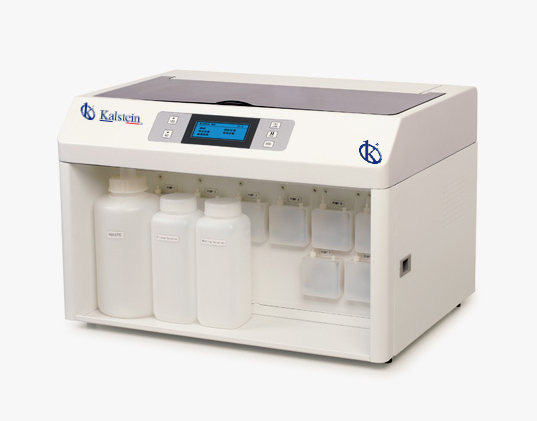
Jak wdrożyć prognozowane utrzymanie i kalibrację dla analizatorów bezpieczeństwa żywności
W dziedzinie operacji laboratoryjnych znaczenie prognozowanego utrzymania i okresowej kalibracji nie może być przeceniane, szczególnie w przypadku analizatorów bezpieczeństwa żywności. Urządzenia te są kluczowe dla zapewnienia, że produkty spożywcze spełniają normy bezpieczeństwa, co chroni zdrowie publiczne. Wdrażając skuteczne strategie prognozowanego utrzymania i przestrzegając harmonogramów kalibracji, laboratoria mogą zwiększyć efektywność, zredukować przestoje i zapewnić zgodność z odpowiednimi regulacjami.
Zrozumienie prognozowanego utrzymania w analizatorach bezpieczeństwa żywności
Prognozowane utrzymanie odnosi się do proaktywnego podejścia do utrzymania sprzętu poprzez przewidywanie awarii, zanim one wystąpią. Wykorzystując analitykę danych i dane dotyczące wydajności historycznej, prognozowane utrzymanie pomaga w identyfikacji potencjalnych problemów z analizatorami bezpieczeństwa żywności. To minimalizuje niespodziewane awarie i wydłuża żywotność sprzętu. Technologie takie jak czujniki i systemy monitorowania ułatwiają to prognozowane podejście, zapewniając, że konserwacja jest przeprowadzana tylko wtedy, gdy jest to konieczne.
Znaczenie kalibracji w analizatorach bezpieczeństwa żywności
Kalibracja jest niezbędna do zapewnienia, że analizatory bezpieczeństwa żywności dostarczają dokładne i wiarygodne wyniki. Regularne kontrole kalibracyjne w odniesieniu do standardowych odniesień pomagają utrzymać optymalną wydajność i zgodność z regulacjami takimi jak ISO 17025. Częstotliwość kalibracji może zależeć od konkretnego modelu analizatora i wzorców użytkowania, co czyni kluczowym dla laboratoriów ustalenie solidnego harmonogramu kalibracji.
Praktyki prognozowanego utrzymania dla analizatorów bezpieczeństwa żywności
Wdrożenie prognozowanego utrzymania obejmuje kilka praktyk, które laboratoria powinny przyjąć:
- Monitorowanie i analizowanie danych dotyczących wydajności sprzętu.
- Wykorzystanie zaawansowanej analityki do prognozowania potrzeb w zakresie konserwacji.
- Przeprowadzanie regularnych szkoleń dla personelu w zakresie protokołów konserwacji.
- Ustanowienie pętli informacji zwrotnej dla ciągłego doskonalenia.
Zalecane interwały kalibracji dla analizatorów bezpieczeństwa żywności
Interwały kalibracji zależą od różnych czynników, w tym modelu analizatora i częstotliwości użytkowania. Zazwyczaj analizatory bezpieczeństwa żywności powinny być kalibrowane:
- Przed pierwszym użyciem każdego dnia.
- Po znaczących wahaniach temperatury.
- Zgodnie z zaleceniami producenta.
Porównanie dostępnych modeli
| Kod modelu | Najlepsze dla | Częstotliwość kalibracji | Funkcje konserwacji predykcyjnej |
|---|---|---|---|
| YR06090 | Testy immunologiczne o dużej objętości | Dziennie | Integracja analityki danych dla predykcyjnych wglądów |
| YR06089 | Testy pozostałości pestycydów i antybiotyków | Co tydzień | Powiadomienia o monitorowaniu wydajności dla konserwacji |
| YR06093 | Inkubacja i wstrząsanie mikro płytek | Co dwa tygodnie | Monitorowanie temperatury i prędkości dla analizy predykcyjnej |
Typowe błędy i jak ich unikać
Laboratoria często napotykają wyzwania w skutecznym wdrażaniu praktyk konserwacji predykcyjnej i kalibracji. Typowe błędy obejmują:
- Zapominanie o rejestrowaniu harmonogramów konserwacji i dzienników kalibracji.
- Nie stosowanie ustandaryzowanych metod kalibracji.
- Pomijanie szkolenia personelu w zakresie konserwacji sprzętu.
Aby uniknąć tych pułapek, laboratoria powinny opracować kompleksowe protokoły, prowadzić dokładną dokumentację i regularnie szkolić personel w zakresie najlepszych praktyk.
Najczęściej zadawane pytania
Jak konserwacja predykcyjna może poprawić wydajność analizatorów bezpieczeństwa żywności?
Konserwacja predykcyjna poprawia wydajność analizatorów bezpieczeństwa żywności poprzez identyfikację potencjalnych problemów, zanim spowodują one awarię sprzętu. Na przykład, YR06090 może wykorzystać analitykę danych wydajności do planowania konserwacji tylko wtedy, gdy jest to konieczne, co zmniejsza nieoczekiwane przestoje i zapewnia spójną dokładność testów.
Jaka jest idealna częstotliwość kalibracji dla analizatora bezpieczeństwa żywności YR06089?
Idealna częstotliwość kalibracji dla analizatora bezpieczeństwa żywności YR06089 to co tydzień, szczególnie ze względu na jego rolę w wykrywaniu pozostałości pestycydów i antybiotyków. Regularna kalibracja zapewnia zgodność z przepisami dotyczącymi bezpieczeństwa żywności i utrzymuje dokładność wyników testów.
Jakie standardy kalibracji mają zastosowanie do analizatorów bezpieczeństwa żywności w laboratoriach?
Analizatory bezpieczeństwa żywności w laboratoriach muszą spełniać standardy kalibracji, takie jak ISO 17025, które zapewniają wiarygodność wyników testów i kalibracji. Przestrzeganie tych standardów jest kluczowe dla urządzeń takich jak YR06093, które wymagają precyzyjnych warunków inkubacji i wstrząsania.
Jak mogę zintegrować predykcyjne utrzymanie z istniejącymi systemami laboratoryjnymi?
Możesz zintegrować predykcyjne utrzymanie z istniejącymi systemami laboratoryjnymi, korzystając z narzędzi do monitorowania danych, które analizują metryki operacyjne. Na przykład, YR06090 można podłączyć do oprogramowania, które śledzi jego wydajność, co pozwala laboratoriom na optymalizację harmonogramu konserwacji w sposób płynny.
Jakie są konsekwencje zaniedbania kalibracji w testach bezpieczeństwa żywności?
Zaniedbanie kalibracji w testach bezpieczeństwa żywności może prowadzić do nieprawidłowych wyników, braku zgodności z przepisami oraz potencjalnych zagrożeń dla zdrowia. Na przykład, jeśli YR06089 nie jest regularnie kalibrowany, może nie wykrywać szkodliwych pozostałości pestycydów, zagrażając bezpieczeństwu konsumentów.
Jakie cechy powinienem szukać w analizatorze bezpieczeństwa żywności do predykcyjnego utrzymania?
Poszukując analizatora bezpieczeństwa żywności odpowiedniego do predykcyjnego utrzymania, zwróć uwagę na cechy takie jak analityka danych wydajności, alerty monitorujące i możliwości integracji. Modele takie jak YR06093 oferują solidne funkcje monitorowania, aby umożliwić skuteczne strategie predykcyjnego utrzymania.
Jaką rolę odgrywa kalibracja w zapewnieniu bezpieczeństwa żywności w laboratoriach?
Kalibracja odgrywa kluczową rolę w zapewnieniu bezpieczeństwa żywności, gwarantując dokładność i niezawodność wyników testów. Częsta kalibracja analizatorów takich jak YR06089 pomaga utrzymać zgodność z normami bezpieczeństwa, chroniąc tym samym zdrowie publiczne.
Jak mogę ustalić skuteczny harmonogram kalibracji dla analizatorów bezpieczeństwa żywności?
Aby ustalić skuteczny harmonogram kalibracji dla analizatorów bezpieczeństwa żywności, oceń zalecenia producenta, wzorce użytkowania w laboratorium oraz protokoły bezpieczeństwa. Regularne przeglądy i dostosowania harmonogramu mogą pomóc w utrzymaniu optymalnej funkcjonalności, szczególnie dla modeli o wysokim zużyciu, takich jak YR06090.
Jeśli szukasz połączenia innowacji i jakości, trafiłeś we właściwe miejsce. W Kalstein oferujemy Ci luksus odkrywania naszego ekskluzywnego katalogu sprzętu laboratoryjnego. Produkujemy każde urządzenie zgodnie z najwyższymi standardami doskonałości. Nasze intuicyjne i bezproblemowe kanały zakupowe online zostały zaprojektowane z myślą o Twojej wygodzie, zapewniając najbardziej konkurencyjne ceny. Nie wahaj się dłużej — przywracamy naukę do życia, czas stać się częścią naszej społeczności.