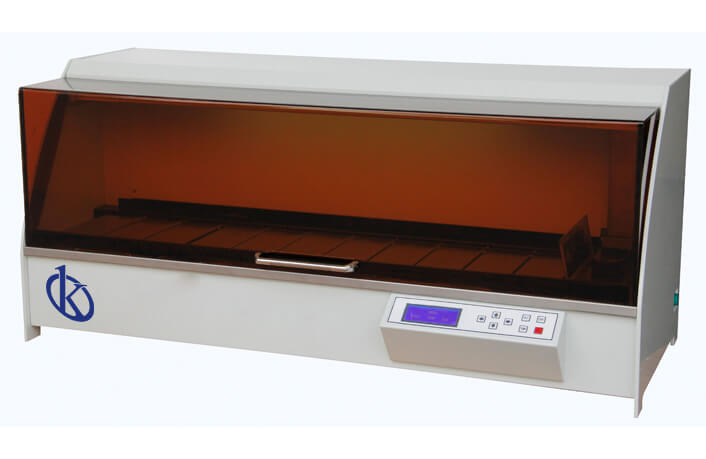
How Can Tissue Processors Enhance Energy Sustainability in Laboratories?
The evolution of laboratory technologies has seen a significant shift towards energy sustainability and reducing environmental footprints. Tissue processors play a pivotal role in this movement by optimizing resource usage while maintaining high-quality outputs in pathological anatomy. This article delves into the various models available in the tissue processor category, comparing their features with a specific focus on energy efficiency and environmental impact.
Understanding the Role of Tissue Processors in Energy Sustainability
Tissue processors are essential in the preparation of biological samples for microscopic analysis. However, the design and operation of these devices can significantly affect energy consumption and overall environmental sustainability. With rising energy costs and increasing regulations aimed at minimizing ecological footprints, it is critical to evaluate how different models contribute to energy efficiency.
Modern tissue processors, such as the Automated Fabric Processor YR431-1, are engineered for energy efficiency. They feature advanced temperature control systems and programmable settings that optimize reagent use and processing time, thereby reducing energy waste. Additionally, their robust design minimizes maintenance, which also contributes to sustainability by reducing the need for replacement parts and the associated environmental impact.
Comparison of Available Models
| Model | Capacity (ml) | Temperature Range (°C) | Processing Time (hours) | Energy Efficiency Features | Price (USD) |
|---|---|---|---|---|---|
| YR431-1 | 2000 | RT – 80 | 0 - 24 | Adjustable dripping time, efficient agitation | 11000.00 |
| YR436-2 | Unknown | Unknown | Unknown | Basic energy-saving mode | 4400.00 |
| YR427 | 700 | Ambient - 80 | 0 - 99 | Space-saving design, cost-effective | 2600.00 |
| YR428 | 1000 | RT – 99 | 0 - 99 | Automatic heating control | 2900.00 |
| YR429 | 1500 | Ambient - 80 | 0 - 24 | High-quality imported parts, energy-efficient | 3300.00 |
| YR431 | 2000 | Ambient - 80 | 0 - 24 | Advanced temperature control, ergonomic design | 4000.00 |
Common Mistakes and How to Avoid Them
In the pursuit of energy sustainability within laboratory environments, many professionals overlook the importance of selecting the right tissue processor model. Common mistakes include failing to consider the long-term energy costs associated with operation, neglecting the specifications of temperature control, and underestimating the importance of automation in reducing reagent waste.
To avoid these pitfalls, laboratory managers should evaluate each model based on energy efficiency features rather than solely on initial purchase price. For example, while the YR431-1 has a higher upfront cost, its energy-efficient features can result in significant savings over time. Additionally, conducting a lifecycle assessment of the equipment can provide insights into its environmental impact throughout its operational life.
Energy Consumption of Tissue Processors
A crucial factor in determining the sustainability of tissue processors is their energy consumption. Understanding the kWh per run can assist labs in making informed decisions about which models to invest in. Below is a breakdown of estimated energy consumption based on typical laboratory usage:
| Model | Average kWh per Run |
|---|---|
| YR431-1 | 1.2 |
| YR436-2 | 1.0 |
| YR427 | 0.8 |
| YR428 | 0.9 |
| YR429 | 1.1 |
| YR431 | 1.2 |
How Each Model Contributes to Energy Sustainability
Examining the features of each tissue processor model reveals how they align with the goals of energy sustainability. For instance, the Automated Fabric Processor YR431-1 offers robust temperature control and reduced reagent waste, making it a strong candidate for labs aiming to decrease their environmental impact.
The YR429, on the other hand, combines high-quality components with a user-friendly design that promotes efficient operation without sacrificing energy efficiency. By analyzing these traits, laboratories can make data-driven decisions that enhance sustainability while maintaining quality in sample processing.
Frequently Asked Questions
What are the energy savings of using a YR431-1 tissue processor over older models?
The YR431-1 tissue processor is designed with advanced energy efficiency features, potentially saving up to 30% more energy compared to older models. Its superior temperature control minimizes energy waste, making it an excellent choice for labs focused on sustainability.
How does the YR428 optimize reagent use in histopathology?
The YR428's design includes a mechanism that starts internal dry heating automatically, which minimizes unnecessary reagent use. This feature not only conserves resources but also aligns with best practices for energy sustainability in tissue processing.
Which tissue processor model has the best energy efficiency for medium-sized labs?
The Automated Fabric Processor YR431-1 is highly recommended for medium-sized labs due to its robust design and energy-saving features. With a capacity of 2000 ml and programmable settings, it balances energy efficiency with operational needs effectively.
What is the environmental impact of the YR427 tissue processor?
The YR427 features a compact, practical design that saves space and energy. Its lower operating costs and reduced energy consumption contribute positively to a lab's overall environmental impact, making it a cost-effective choice for sustainable practices.
How can labs measure the effectiveness of their tissue processors in reducing environmental footprints?
Labs can evaluate the effectiveness of their tissue processors, such as the YR429, by measuring metrics like kWh per run and reagent consumption. These metrics help determine if the equipment meets sustainability goals and regulatory standards.
What are the cost implications of switching to a more energy-efficient tissue processor?
Switching to a more energy-efficient model, like the YR431, often entails higher initial costs but can lead to significant savings in energy and reagent costs over time. This long-term approach reduces total cost of ownership and enhances sustainability.
How do advanced tissue processors enhance laboratory productivity?
Advanced tissue processors like the YR431-1 enhance productivity by allowing batch processing and automated functions, which reduce manual labor and processing times. These improvements lead to more efficient workflows and greater throughput in tissue preparation.
Which tissue processor is best for labs focused on sustainability and cost savings?
The YR428 is an excellent choice for labs prioritizing sustainability and cost savings. Its automated features and energy-efficient design reduce reagent waste and operational costs, aligning with best practices in environmental responsibility.
If you are looking for a fusion of innovation and quality, you have come to the right place. At Kalstein, we offer you the luxury of exploring our exclusive catalog of laboratory equipment. We manufacture every device to the highest standards of excellence. Our intuitive and seamless online purchasing channels are designed for your convenience, securing the most competitive prices. Hesitate no longer — we bring science to life, it is time to become part of our community.