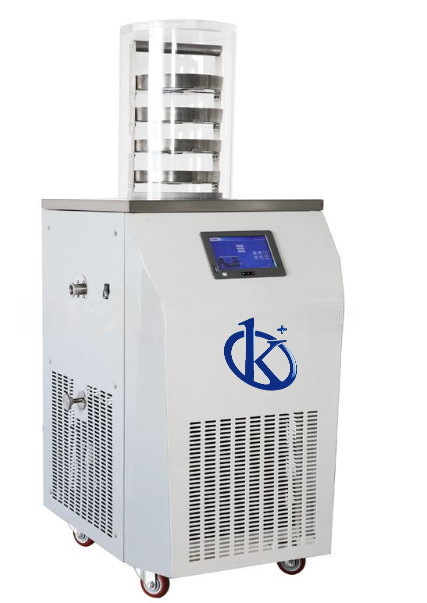
Jak pionowe laboratoryjne suszarki próżniowe przyczyniają się do zrównoważonego rozwoju energetycznego i zmniejszenia śladu węglowego
W dzisiejszym globalnym krajobrazie laboratoryjnym, zrównoważony rozwój energetyczny i minimalizowanie śladu węglowego są kluczowymi priorytetami. Pionowe laboratoryjne suszarki próżniowe odgrywają kluczową rolę w osiąganiu tych celów poprzez optymalizację zużycia energii, redukcję odpadów i wspieranie praktyk laboratoryjnych przyjaznych dla środowiska. Artykuł ten bada, w jaki sposób te zaawansowane urządzenia przyczyniają się do zrównoważonego rozwoju energetycznego, jednocześnie zapewniając wysoką wydajność w różnych ustawieniach laboratoryjnych.
Zrozumienie pionowych laboratoryjnych suszarek próżniowych
Pionowe laboratoryjne suszarki próżniowe, takie jak modele YR05198, YR05199, YR05200 i YR05201, są specjalnie zaprojektowane do efektywnych procesów liofilizacji w laboratoriach. Urządzenia te doskonale zachowują wrażliwe materiały biologiczne, farmaceutyki i produkty spożywcze, jednocześnie utrzymując ich właściwości biochemiczne. Proces liofilizacji jest integralny w różnych dziedzinach, w tym biotechnologii, farmaceutyce i technologii żywności, zapewniając długoterminowe przechowywanie bez kompromisów w jakości.
Kluczowe cechy dla zrównoważonego rozwoju energetycznego
Nowoczesne pionowe suszarki próżniowe są wyposażone w inteligentne systemy, które zwiększają efektywność energetyczną. Cechy takie jak regulowane parametry grzewcze, wydajne systemy próżniowe i zoptymalizowane zdolności chłodzenia pozwalają laboratoriom minimalizować zużycie energii podczas procesu liofilizacji. Na przykład, pionowa elektryczna laboratoryjna suszarka próżniowa YR05985-1 została zaprojektowana z technologią energooszczędną, zdolną do redukcji zużycia energii i kosztów operacyjnych, jednocześnie utrzymując doskonałą wydajność.
Analiza zużycia energii
Zużycie energii przez laboratoryjne suszarki próżniowe może znacznie różnić się w zależności od efektywności modelu i praktyk operacyjnych. Analizując zużycie energii różnych modeli, laboratoria mogą zidentyfikować możliwości redukcji swojego śladu węglowego. Na przykład, model YR05198 zużywa około 1800W podczas pracy, podczas gdy zoptymalizowany design modelu YR05985-1 pozwala na zmniejszenie całkowitego wydatku energetycznego, co ma znaczący wpływ w porównaniu do tradycyjnych metod liofilizacji.
Zużycie wody i odczynników
Oprócz zużycia energii, ocena zużycia wody i reagentów przez pionowe suszarki próżniowe jest kluczowa w minimalizowaniu wpływu na środowisko. Efektywne zarządzanie wodą podczas procesu liofilizacji może prowadzić do znacznych redukcji odpadów. Na przykład, model YR05985-2 zawiera funkcje, które poprawiają recykling wody, promując tym samym bardziej zrównoważone praktyki laboratoryjne.
Ocena cyklu życia i wpływ na środowisko
Przeprowadzenie oceny cyklu życia pionowych suszarek próżniowych dostarcza informacji na temat ich ogólnego wpływu na środowisko. Oceniając każdą fazę — od produkcji po utylizację — laboratoria mogą optymalizować wykorzystanie zasobów i przyjmować bardziej zrównoważone praktyki. Na przykład, YR05200 jest zaprojektowany z materiałów, które przyczyniają się do zmniejszenia obciążenia środowiskowego związanego z utylizacją sprzętu.
Porównanie ilościowe modeli
| Model | Zużycie energii (W) | Zużycie wody (L na cykl) | Efektywność reagentów | Najlepsze zastosowanie |
|---|---|---|---|---|
| YR05198 | 1800 | 5 | Średnia | Ogólne zastosowanie laboratoryjne |
| YR05199 | 1800 | 4.5 | Wysoka | Aplikacje farmaceutyczne |
| YR05200 | 1800 | 4 | Średnia | Badania biologiczne |
| YR05201 | 1800 | 3.5 | Wysoka | Konserwacja żywności |
| YR05985-1 | 16800 | 3 | Bardzo wysoka | Procesy dużych partii |
| YR05985-2 | 21000 | 2.5 | Bardzo wysoka | Owoce i warzywa |
Typowe błędy i jak ich unikać
Laboratoria często napotykają wyzwania podczas wdrażania praktyk oszczędzających energię. Typowe błędy obejmują niewłaściwą kalibrację suszarki próżniowej, brak regularnej konserwacji oraz brak monitorowania zużycia energii. Aby uniknąć tych pułapek, laboratoria powinny ustalić regularny harmonogram konserwacji, korzystać z systemów monitorowania energii oraz zapewnić odpowiednie przeszkolenie personelu w zakresie obsługi sprzętu.
Porównanie dostępnych modeli
| Model | Zużycie energii (W) | Cena (USD) | Najlepsze dla |
|---|---|---|---|
| YR05198 | 1800 | 4392.00 | Codzienne użycie w laboratorium |
| YR05199 | 1800 | 4882.00 | Aplikacje farmaceutyczne |
| YR05200 | 1800 | 4178.00 | Badania biotechnologiczne |
| YR05201 | 1800 | 5061.00 | Nauki o żywności |
| YR05985-1 | 16800 | 16800.00 | Produkcja na dużą skalę |
| YR05985-2 | 21000 | 21000.00 | Konserwacja owoców i warzyw |
Najczęściej zadawane pytania
Jak pionowe suszarki laboratoryjne zmniejszają zużycie energii w laboratoriach?
Pionowe suszarki laboratoryjne, takie jak YR05199, wykorzystują energooszczędne systemy grzewcze i próżniowe, co znacząco obniża zużycie energii podczas procesów liofilizacji, przynosząc korzyści laboratoriom dążącym do zrównoważonych praktyk.
Jaka jest ocena efektywności energetycznej suszarki YR05985-1?
Suszarka YR05985-1 została zaprojektowana w celu maksymalizacji efektywności energetycznej, osiągając wysoką wydajność przy zużyciu około 16800W, co czyni ją odpowiednią do procesów na dużą skalę bez nadmiernego zużycia energii.
Który model pionowej suszarki jest najlepszy do minimalizacji wpływu na środowisko?
Model YR05201 jest szczególnie skuteczny w minimalizacji wpływu na środowisko dzięki zmniejszonemu zużyciu reagentów i wody podczas pracy, co jest zgodne z celami zrównoważonego rozwoju w środowiskach laboratoryjnych.
Jak model YR05200 przyczynia się do zrównoważonych praktyk laboratoryjnych?
Model YR05200 wspiera zrównoważone praktyki laboratoryjne poprzez stosowanie materiałów, które zmniejszają obciążenia dla środowiska, podczas gdy jego efektywne zużycie energii wspiera laboratoria w obniżaniu ich ogólnego śladu węglowego.
Jakie są koszty operacyjne związane z suszarką YR05198?
Koszty operacyjne dla suszarki YR05198 obejmują zużycie energii na poziomie 1800W, co czyni ją opłacalnym wyborem do rutynowego użytku laboratoryjnego, zapewniając jednocześnie niezawodne procesy liofilizacji.
Jak laboratoria mogą optymalizować wykorzystanie suszarek do liofilizacji w celu oszczędności energii?
Poprzez wdrażanie regularnej konserwacji i kalibrację urządzeń takich jak YR05985-2, laboratoria mogą zapewnić optymalną wydajność i oszczędności energii, znacząco redukując swój ślad węglowy.
Jakie cechy modelu YR05199 zwiększają jego efektywność energetyczną?
Model YR05199 zawiera zaawansowaną kontrolę temperatury oraz system próżniowy o wysokiej efektywności, co zwiększa jego efektywność energetyczną i czyni go idealnym do zastosowań farmaceutycznych wymagających niezawodnych i zrównoważonych rozwiązań.
Jak pionowe suszarki próżniowe wpływają na cele zrównoważonego rozwoju laboratoriów?
Pionowe suszarki próżniowe bezpośrednio wpływają na cele zrównoważonego rozwoju laboratoriów, minimalizując zużycie energii, poprawiając zarządzanie wodą i umożliwiając laboratoriom prowadzenie ekologicznych praktyk przy jednoczesnym osiąganiu wysokiej jakości wyników.
Jeśli szukasz połączenia innowacji i jakości, trafiłeś we właściwe miejsce. W Kalstein oferujemy Ci luksus odkrywania naszego ekskluzywnego katalogu sprzętu laboratoryjnego. Produkujemy każde urządzenie zgodnie z najwyższymi standardami doskonałości. Nasze intuicyjne i bezproblemowe kanały zakupowe online są zaprojektowane z myślą o Twojej wygodzie, zapewniając najbardziej konkurencyjne ceny. Nie wahaj się dłużej — przywracamy naukę do życia, czas stać się częścią naszej społeczności.