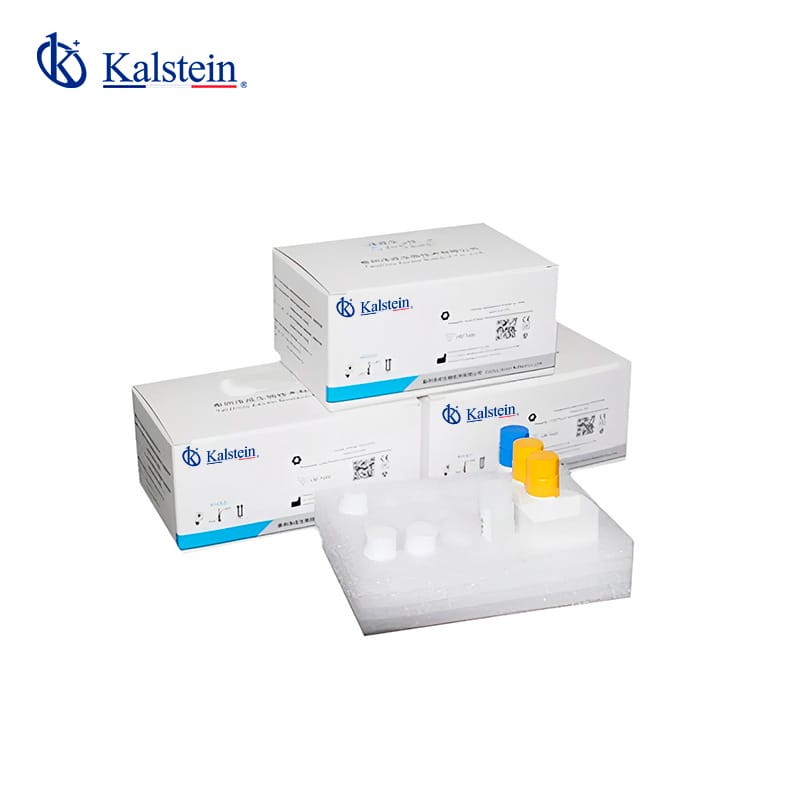
Jak osiągnąć zrównoważony rozwój energetyczny w analizie odczynników chemiluminescencyjnych
W ostatnich latach nacisk na zrównoważony rozwój energetyczny i redukcję śladu środowiskowego w laboratoriach zyskał znaczną popularność. W analizie odczynników chemiluminescencyjnych wysiłki na rzecz minimalizacji zużycia zasobów i poprawy efektywności są kluczowe. Artykuł ten bada różne modele odczynników chemiluminescencyjnych, szczegółowo opisując ich wkład w zrównoważony rozwój energetyczny, jednocześnie dostarczając kompleksowe porównanie ich cech.
Zrozumienie zrównoważonego rozwoju energetycznego w praktykach laboratoryjnych
Zrównoważony rozwój energetyczny w laboratoriach definiowany jest przez wysiłki na rzecz minimalizacji zużycia energii przy maksymalizacji efektywności produkcji. W analizie chemiluminescencyjnej oznacza to wybór odczynników, które wymagają mniej energii do działania, redukują odpady i zwiększają ogólną wydajność. Zrozumienie specyficznych wymagań energetycznych różnych modeli odczynników pozwala laboratoriom podejmować świadome decyzje, które przyczyniają się zarówno do efektywności operacyjnej, jak i ochrony środowiska.
Strategie redukcji śladu środowiskowego
Istnieje kilka strategii, które można zastosować w celu zmniejszenia wpływu na środowisko analizy odczynników chemiluminescencyjnych. Należą do nich optymalizacja użycia odczynników, wdrażanie technologii energooszczędnych oraz priorytetowe traktowanie modeli, które spełniają certyfikaty zrównoważonego rozwoju. Analizując specyfikacje różnych modeli odczynników chemiluminescencyjnych, laboratoria mogą zidentyfikować opcje, które są zgodne z ich celami zrównoważonego rozwoju.
Porównanie dostępnych modeli
| Model | Koszt za test (USD) | Zużycie energii (kWh/test) | Najlepsze dla |
|---|---|---|---|
| YRA279 | 15.00 | 0.5 | Kompleksowe testy tarczycy |
| YRA280 | 15.00 | 0.5 | Standardowy panel tarczycy |
| YRA281 | 15.00 | 0.5 | Zaawansowana analiza tarczycy |
| YRA282 | 15.00 | 0.5 | Kompleksowe badania chorób tarczycy |
| YRA283 | 15.00 | 0.5 | Aplikacje badawcze w testach tarczycy |
| YRA284 | 35.00 | 0.5 | Laboratoria o dużej wydajności |
Kluczowe korzyści z energooszczędnych odczynników chemiluminescencyjnych
Energooszczędne odczynniki chemiluminescencyjne, takie jak model YRA279, nie tylko redukują ślad węglowy laboratorium, ale także obniżają koszty operacyjne związane z zużyciem energii. Wykorzystanie odczynników zaprojektowanych do minimalnego zużycia energii zwiększa również wydajność laboratorium. W szczególności modele takie jak YRA284 mogą obsługiwać większe objętości testów bez proporcjonalnego wzrostu kosztów energii.
Monitorowanie i redukcja odpadów odczynników
Skuteczne monitorowanie zużycia odczynników jest kluczowe dla minimalizacji odpadów. Laboratoria mogą wdrażać systemy śledzenia, aby ocenić, ile odczynnika jest używane na test, optymalizując zużycie dla każdego modelu. Na przykład model YRA280 umożliwia elastyczne opcje pakowania, pomagając laboratoriom lepiej zarządzać swoim zapasem i redukować pozostałe odczynniki. To nie tylko oszczędza zasoby, ale także jest zgodne z celami zrównoważonego rozwoju.
Typowe błędy i jak ich unikać
Jednym z powszechnych błędów, które popełniają laboratoria, jest brak pełnego zrozumienia profilu energetycznego swoich odczynników. Zawsze analizuj dane dotyczące zużycia energii dla modeli takich jak YRA281 lub YRA283 przed dokonaniem wyboru. Ponadto, zaniedbanie uwzględnienia statusu certyfikacji odczynników może prowadzić do złych wyborów. Zawsze wybieraj odczynniki, które spełniają międzynarodowe standardy zrównoważonego rozwoju, aby zapewnić zgodność i efektywność.
Najczęściej zadawane pytania
Jak odczynniki chemiluminescencyjne mogą zmniejszyć zużycie energii w moim laboratorium?
Odczynniki chemiluminescencyjne, takie jak model YRA282, są zaprojektowane z myślą o efektywności energetycznej, zużywając tylko 0.5 kWh na test, jednocześnie dostarczając kompleksową analizę parametrów tarczycy. Taki projekt zapewnia niższe koszty operacyjne i zmniejszony wpływ na środowisko.
Jakie certyfikaty powinienem szukać w energooszczędnych odczynnikach chemiluminescencyjnych?
Szukaj odczynników chemiluminescencyjnych z certyfikatami takimi jak CE, ISO 13485 i FSC. Na przykład model YRA284 posiada te certyfikaty, co wskazuje na zgodność z normami zrównoważonego rozwoju, zapewniając jednocześnie jakość i bezpieczeństwo w zastosowaniach laboratoryjnych.
Który odczynnik chemiluminescencyjny jest najlepszy do redukcji wpływu na środowisko?
Model YRA279 jest doskonałym wyborem do redukcji wpływu na środowisko dzięki niskiemu zużyciu energii wynoszącemu zaledwie 0.5 kWh na test. Zapewnia kompleksową analizę tarczycy, co czyni go efektywnym zarówno w ustawieniach klinicznych, jak i badawczych.
Jak mogę zoptymalizować zużycie odczynników w moim laboratorium w celu zrównoważonego rozwoju?
Wdrażaj systemy śledzenia, aby monitorować zużycie odczynników i wybierać modele takie jak YRA280, które oferują elastyczne opcje pakowania. To może pomóc w minimalizacji odpadów i optymalizacji liczby przeprowadzanych testów, przyczyniając się do ogólnych celów zrównoważonego rozwoju.
Jaki jest koszt efektywności stosowania reagentów chemiluminescencyjnych?
Reagenty chemiluminescencyjne zazwyczaj oferują konkurencyjne ceny, z kosztami wynoszącymi 15,00 USD za test dla modeli takich jak YRA281. Poprzez zmniejszenie zużycia energii i odpadów, te reagenty zapewniają doskonały zwrot z inwestycji dzięki zwiększonej efektywności laboratorium.
Jak mogę zapewnić zgodność z regulacjami dotyczącymi zrównoważonego rozwoju w moim laboratorium?
Wybierz reagenty chemiluminescencyjne z odpowiednimi certyfikatami, takimi jak CE i ISO 13485, takie jak model YRA283. To zapewnia, że Twoje laboratorium przestrzega regulacji dotyczących zrównoważonego rozwoju i najlepszych praktyk.
Jakie są najlepsze praktyki w osiąganiu zrównoważonego rozwoju energetycznego w analizie reagentów?
Wykorzystuj modele energooszczędne, takie jak YRA284, regularnie monitoruj zużycie reagentów i wdrażaj strategie redukcji odpadów. Zapewnienie, że Twoje laboratorium przestrzega certyfikatów zrównoważonego rozwoju, jest również kluczowe dla utrzymania zrównoważonego rozwoju energetycznego.
Który reagent chemiluminescencyjny powinienem wybrać do analizy o wysokiej przepustowości?
Model YRA284 jest najlepiej dostosowany do laboratoriów o dużej objętości ze względu na swoją zdolność do efektywnego obsługiwania dużych objętości testów przy jednoczesnym utrzymaniu niskiego zużycia energii wynoszącego 0,5 kWh na test, wspierając tym samym działania na rzecz zrównoważonego rozwoju.
Jeśli szukasz połączenia innowacji i jakości, trafiłeś we właściwe miejsce. W Kalstein oferujemy Ci luksus odkrywania naszego ekskluzywnego katalogu sprzętu laboratoryjnego. Produkujemy każde urządzenie zgodnie z najwyższymi standardami doskonałości. Nasze intuicyjne i bezproblemowe kanały zakupu online są zaprojektowane z myślą o Twojej wygodzie, zapewniając najkonkurencyjniejsze ceny. Nie wahaj się dłużej — przywracamy naukę do życia, czas stać się częścią naszej społeczności.