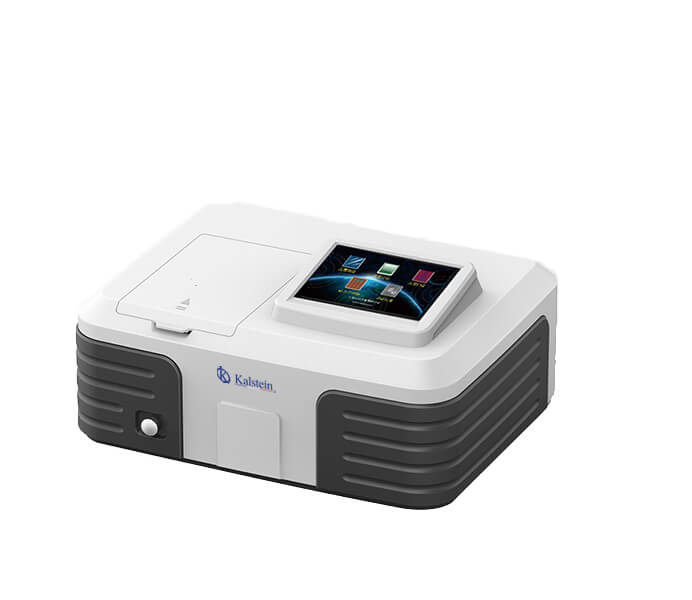
Interpretacja wyników i odczyty pomiarów za pomocą spektrofotometru YR01862
Spektrofotometr UV/Vis YR01862 z podwójną wiązką jest niezbędnym narzędziem w różnych ustawieniach laboratoryjnych. Zrozumienie, jak interpretować jego wyniki i dokładnie odczytywać pomiary, jest kluczowe dla uzyskania wiarygodnych danych. Artykuł ten zgłębi funkcjonalności YR01862, specyfikacje techniczne oraz najlepsze praktyki dotyczące efektywnej interpretacji pomiarów.
Zrozumienie spektrofotometru YR01862
YR01862 posiada podwójną ścieżkę optyczną oraz system podwójnych detektorów, co znacznie zwiększa dokładność pomiarów. Jego solidna konstrukcja minimalizuje zakłócenia światła rozproszonego, co prowadzi do bardziej stabilnych i wiarygodnych odczytów. Dzięki wykorzystaniu 10-calowego ekranu dotykowego, interfejs użytkownika umożliwia intuicyjną nawigację i zarządzanie danymi.
Specyfikacje techniczne YR01862
| Model | YR01862 |
|---|---|
| Zakres długości fal | 190-1100 nm |
| Szerokość pasma spektralnego | 1.8 nm |
| Dokładność długości fal | ± 0.1 nm |
| Dokładność fotometryczna | ± 0.2%T (0-100%T) |
| Wymiary | 630 x 430 x 210 mm |
| Waga | 28 KG |
Interpretacja wyników pomiarów
Odczyt wyników z YR01862 wymaga zrozumienia jednostek pomiaru, zazwyczaj wyrażanych w absorbancji (Abs) i transmitancji (%T). Na przykład, odczyt 0.5 Abs wskazuje na pewien poziom absorpcji światła przez próbkę, podczas gdy odczyt 50% T wskazuje, że 50% światła przeszło przez próbkę.
Podczas interpretacji wyników istotne jest uwzględnienie normalnych zakresów dla konkretnych substancji badanych. Obejmuje to zrozumienie oczekiwanych poziomów absorbancji lub transmitancji dla znanych stężeń analitów.
Typowe błędne interpretacje wyników
Personel laboratoryjny może napotkać kilka typowych błędnych interpretacji wyników. Na przykład:
- Nałożone szczyty: W złożonych mieszaninach nałożone szczyty absorbancji mogą prowadzić do błędnej kwantyfikacji składników.
- Dryf podstawy: Zmiany w podstawie mogą wskazywać na niestabilność instrumentu lub problemy z próbką, co może wprowadzać w błąd interpretację danych.
Aby zminimalizować te problemy, należy wdrożyć regularne procedury kalibracji i korekcji tła.
Najlepsze praktyki dla dokładnych pomiarów
Aby zapewnić dokładne odczyty z YR01862, przestrzegaj następujących najlepszych praktyk:
- Kalibracja: Regularnie kalibruj instrument zgodnie z wytycznymi producenta.
- Przygotowanie próbek: Zapewnij odpowiednie przygotowanie próbek, w tym rozcieńczenie i użycie odpowiednich kuwet.
- Kontrola środowiskowa: Utrzymuj stabilne środowisko laboratoryjne, aby zminimalizować czynniki zewnętrzne, które mogą wpływać na odczyty.
Przykłady zastosowań w różnych sektorach
YR01862 jest wszechstronny i znajduje zastosowanie w różnych sektorach:
Laboratoria kliniczne
W laboratoriach klinicznych YR01862 może być używany do analiz DNA i białek, zapewniając wiarygodne pomiary kluczowe dla diagnostyki.
Przemysł spożywczy
W przemyśle spożywczym wspomaga testowanie analiz kolorimetrycznych i analizy żywieniowej, zapewniając zgodność z normami bezpieczeństwa.
Instytucje edukacyjne
W środowiskach edukacyjnych YR01862 jest nieoceniony w nauczaniu zasad spektroskopii poprzez praktyczne eksperymenty.
Najczęściej zadawane pytania
Jakie są powszechne zastosowania spektrofotometru YR01862?
Spektrofotometr YR01862 jest powszechnie używany w laboratoriach klinicznych do analizy DNA i białek, w testach żywności do kontroli jakości oraz w instytucjach edukacyjnych do nauczania zasad spektroskopii.
Jak skalibrować spektrofotometr YR01862?
Kalibracja polega na uruchomieniu standardowych roztworów o znanych wartościach absorbancji i dostosowaniu ustawień instrumentu w celu zapewnienia dokładnych pomiarów.
Jakie techniki mogą zminimalizować błędy w odczytach?
Typowe techniki obejmują użycie kuwet kwarcowych do pomiarów UV, zapewnienie, że ścieżka optyczna jest wolna od przeszkód, oraz przeprowadzanie regularnej konserwacji instrumentu.
Jak mogę interpretować nakładające się szczyty absorbancji?
Nakładające się szczyty można rozwiązać, stosując metody takie jak spektroskopia pochodnych lub stosując techniki rozdzielania oparte na oprogramowaniu w celu dekonwolucji szczytów.
Jakie praktyki konserwacyjne są zalecane dla YR01862?
Regularna konserwacja obejmuje czyszczenie komponentów optycznych, aktualizację oprogramowania oraz weryfikację kalibracji w stosunku do standardowych roztworów, aby zapewnić dokładność.
Jeśli szukasz połączenia innowacji i jakości, trafiłeś we właściwe miejsce. W Kalstein oferujemy Ci luksus odkrywania naszego ekskluzywnego katalogu sprzętu laboratoryjnego. Produkujemy każde urządzenie zgodnie z najwyższymi standardami doskonałości. Nasze intuicyjne i bezproblemowe kanały zakupowe online są zaprojektowane z myślą o Twojej wygodzie, zapewniając najbardziej konkurencyjne ceny. Nie wahaj się dłużej — przywracamy naukę do życia, czas stać się częścią naszej społeczności.