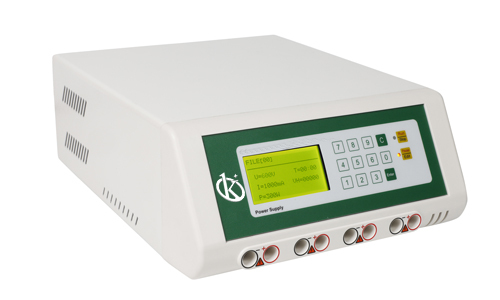
Integrating High-Voltage Power Supplies with LIMS for Data Workflow Optimization
The evolving landscape of laboratory practices increasingly emphasizes the integration of various devices with Laboratory Information Management Systems (LIMS) to enhance operational efficiency, data accuracy, and compliance with industry standards. High-voltage power supplies are pivotal in many laboratory applications, making their integration with LIMS crucial for optimizing data flow and usability.
Understanding High-Voltage Power Supplies
High-voltage power supplies play a significant role in various applications including electrophoresis, ion migration, and other high-energy experiments. They provide a stable and adjustable output suitable for powering sensitive laboratory equipment. In this context, the integration with LIMS allows for real-time monitoring, documentation, and automated data logging, thereby streamlining workflows.
Key Features and Benefits of Integrating High-Voltage Power Supplies with LIMS
Integrating high-voltage power supplies with LIMS can lead to multiple benefits including:
- Real-time Data Logging: Automated recording of voltage and current readings enhances traceability.
- Improved Compliance: Ensures adherence to standards by maintaining detailed operational histories.
- Operational Efficiency: Reduces manual data entry, minimizing errors and saving time.
- Data Accessibility: Centralized data storage enables easy retrieval and analysis.
Comparison of Available Models
| Model | Output Range | Key Features | Best Use Case |
|---|---|---|---|
| YR03409 | 20–3000 V, 1–200 mA | Touch keys, dual-core microcontroller, stores 10 methods | Electrophoresis methods requiring precise control |
| YR03408 | 20–5000 V, 1–200 mA | Stores 100 methods, automatic memory feature | High-throughput electrophoresis processing |
| YR03405 | 10–600 V, 1–500 mA | Touch keys, real-time tuning, stores 100 methods | Low voltage applications and small labs |
| YR03406 | 20–1600 V, 1–100 mA | Step control operation, automatic memory | Controlled voltage experiments on a budget |
| YR03407 | 20–3000 V, 1–400 mA | Step control, real-time tuning, 100 methods storage | Advanced electrophoresis with varied voltages |
Common Mistakes and How to Avoid Them
When integrating high-voltage power supplies with LIMS, laboratories often encounter common pitfalls, such as:
- Not verifying compatibility between the power supply and LIMS software.
- Overlooking the importance of proper calibration and maintenance schedules.
- Failing to train staff adequately on new integrated systems.
To avoid these mistakes, it is essential to conduct thorough research on device compatibility, establish regular maintenance routines, and provide comprehensive training to personnel.
Real-World Applications of LIMS Integration with High-Voltage Power Supplies
Laboratories that integrate high-voltage power supplies with LIMS report significant improvements in workflow efficiency. For instance, a laboratory conducting electrophoresis experiments can benefit from automated data collection that adjusts voltage settings in real-time based on sample requirements. This reduces the chances of human error and ensures reproducibility in results.
Data Management and Compliance in High-Voltage Applications
Compliance with regulations such as ISO 17025 is crucial in laboratory settings. Integrating high-voltage power supplies with LIMS streamlines the documentation processes necessary for compliance. These systems can automatically generate reports that document voltage settings, sample conditions, and test results, which are vital for both internal audits and external inspections.
Cost-Benefit Analysis of High-Voltage Power Supply Integration
The investment in integrating high-voltage power supplies with LIMS can provide a favorable return on investment (ROI). For example, by reducing manual data entry and enhancing data accuracy, laboratories can save on labor costs and reduce errors that lead to costly re-tests. A detailed cost-benefit analysis might include:
| Cost Item | Annual Cost (USD) |
|---|---|
| Labor Costs Saved | USD 5,000 |
| Equipment Maintenance Costs | USD 2,000 |
| Error Correction Costs | USD 3,000 |
In total, this can yield significant savings, making the integration financially beneficial in the long run.
Future Trends in LIMS and High-Voltage Power Supply Integration
As laboratory technology continues to advance, the integration of high-voltage power supplies with LIMS will likely become more sophisticated. Future trends may include enhanced connectivity options, such as wireless communication protocols, which can streamline the integration process further and improve real-time data sharing capabilities.
Frequently Asked Questions
How does LIMS integration improve data workflow for high-voltage power supplies?
LIMS integration enhances data workflow by automating data logging from high-voltage power supplies like the YR03409. This ensures real-time monitoring and minimizes manual errors, ultimately streamlining laboratory operations.
What are the key features to look for in high-voltage power supplies for LIMS integration?
Key features include data output compatibility, the ability to store multiple methods, and real-time monitoring capabilities, as seen in models like the YR03408, which supports 100 pre-set methods for efficient operation.
Which high-voltage power supply model is best for electrophoresis in a LIMS environment?
The YR03409 is highly recommended for electrophoresis due to its ability to store 10 methods and provide precise voltage control, crucial for experiments requiring stringent conditions and data tracking.
What are the maintenance requirements for high-voltage power supplies connected to LIMS?
Regular calibration and performance checks are required for high-voltage power supplies like the YR03406 to ensure compliance and accuracy. Maintenance schedules should be integrated into the LIMS for tracking.
How can automated reporting from LIMS enhance compliance for high-voltage applications?
Automated reporting features within LIMS help maintain detailed records of voltage outputs and conditions, crucial for compliance with standards like ISO 17025, particularly for laboratories using models such as YR03407.
What is the ROI of integrating high-voltage power supplies with LIMS in laboratories?
The ROI can be significant, with potential savings from labor costs and error correction. For instance, laboratories could save around USD 5,000 annually by integrating systems effectively, particularly when using models like YR03405.
How does LIMS integration affect data accuracy in high-voltage experiments?
LIMS integration enhances data accuracy by automating the data collection process from high-voltage power supplies, reducing human error significantly. As a result, equipment like the YR03408 can provide reliable data for critical experiments.
Why is it important to choose the right high-voltage power supply for LIMS integration?
Selecting the right high-voltage power supply, such as the YR03409 for its versatile features, ensures compatibility and efficient data management, which is vital for achieving optimal laboratory performance and compliance.
If you are looking for a fusion of innovation and quality, you have come to the right place. At Kalstein, we offer you the luxury of exploring our exclusive catalog of laboratory equipment. We manufacture every device to the highest standards of excellence. Our intuitive and seamless online purchasing channels are designed for your convenience, securing the most competitive prices. Hesitate no longer — we bring science to life, it is time to become part of our community.