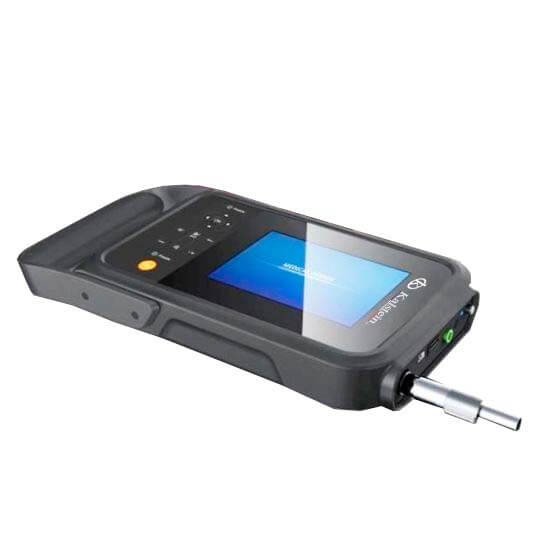
Integrating Ultrasonic Diagnostic Equipment with LIMS for Enhanced Data Digitalization
The integration of ultrasonic diagnostic equipment with Laboratory Information Management Systems (LIMS) represents a significant advancement in laboratory workflows. This integration facilitates seamless data transfer, minimizes human errors, and enhances data accessibility and reporting capabilities. As the demand for efficient laboratory processes grows, understanding how to effectively combine these technologies is essential for professionals in the field.
Understanding Ultrasonic Diagnostic Equipment and Its Relevance
Ultrasonic diagnostic equipment, such as the Veterinary Ultrasound with Professional Rectal Probe YR05146 and 3D4D Obstetric Ultrasound GYN YR05147, plays an integral role in various diagnostic processes. These devices are designed to provide high-resolution imaging essential for veterinary and medical applications. Their ability to store images and integrate with digital systems enhances their utility, especially in busy clinical environments.
For example, the YR05146 model is lightweight and offers a high-resolution LCD screen, perfect for on-the-go diagnostics. It features a powerful battery that allows over three hours of continuous operation, making it ideal for veterinary practices that require mobility and efficiency.
Benefits of LIMS Integration in Ultrasonic Diagnostics
Integrating ultrasonic diagnostic equipment with LIMS brings numerous benefits, including improved data management, enhanced compliance with regulatory standards, and streamlined workflow processes. By automating data entry and reducing manual handling, laboratories can prioritize accuracy and efficiency.
Furthermore, LIMS integration allows for real-time data sharing among departments. This is vital for collaborative processes and ensures that all stakeholders have access to the most current information. For instance, the 3D4D Obstetric Ultrasound GYN YR05147 can connect with LIMS to update patient records automatically, which saves time and minimizes errors.
Key Connectivity Protocols for LIMS Integration
Successful integration of ultrasonic diagnostic equipment into a LIMS system requires adherence to specific connectivity protocols such as HL7, DICOM, and REST APIs. These protocols facilitate the exchange of clinical data and imaging, ensuring interoperability between devices and software.
For example, the YR05147 model supports various file formats, including DICOM, which is crucial for maintaining consistency in data management across different systems. Understanding these protocols is essential for laboratory professionals tasked with implementing and maintaining these integrations.
Data Sovereignty and Security Considerations
As laboratories increasingly adopt digital solutions, data sovereignty and security become paramount. When integrating ultrasonic diagnostic equipment with LIMS, it is crucial to ensure that personal and sensitive data is protected in compliance with regulations such as GDPR and HIPAA.
Using secure data transfer protocols and encryption methods can mitigate risks associated with data breaches. Moreover, it is essential to train staff on the importance of data protection in their workflows, especially when handling patient information, as seen in the operations involving models like YR05155 and YR05155-1.
Maximizing Efficiency: Workflow Optimization Techniques
Integrating ultrasonic diagnostic equipment with LIMS can significantly optimize laboratory workflows. Techniques such as batch processing, automated reporting, and real-time monitoring enhance productivity and throughput.
For instance, employing the software from the YR05155 model alongside a LIMS can facilitate automatic generation of diagnostic reports, reducing the time from diagnosis to treatment. This is critical in fast-paced environments where timely decision-making is vital.
Common Mistakes and How to Avoid Them
Despite the advantages of LIMS integration, laboratories often encounter common pitfalls. These include underestimating the complexity of integration, neglecting staff training, and failing to validate the integrated system.
To avoid these issues, it is essential to conduct thorough planning before implementation. This includes assessing the specific needs of the laboratory, ensuring that all staff are adequately trained on new systems, and continuously validating the integration to maintain high standards of operation.
Comparison of Available Models
| Model | Connectivity | Protocols Supported | Integration Effort | Best For |
|---|---|---|---|---|
| YR05146 | USB, SD | DICOM, HL7 | Low | Veterinary practice |
| YR05147 | USB | DICOM, REST | Medium | Obstetrics and gynecology |
| YR05154 | USB | N/A | Low | General diagnostics |
| YR05154-1 | USB | N/A | Medium | Portable diagnostics |
| YR05155 | USB | DICOM | Medium | Cardiac diagnostics |
| YR05155-1 | USB | N/A | High | Tablet-based solutions |
Frequently Asked Questions
How can ultrasonic diagnostic equipment integrate with LIMS for better data management?
Integrating ultrasonic diagnostic equipment like YR05147 with a LIMS system enhances data management by ensuring that patient records are updated automatically. This allows for seamless data flow and reduces manual entry errors, improving overall efficiency.
What connectivity protocols are essential for integrating ultrasonic diagnostic equipment with LIMS?
Essential connectivity protocols include DICOM and HL7, which enable different systems to communicate effectively. For example, the model YR05146 supports these protocols, facilitating easy integration with various LIMS applications.
Which ultrasonic diagnostic model offers the best portability for field use?
The YR05146 model is lightweight and designed for portability, making it ideal for field use. Its battery lasts over three hours, allowing for extended diagnostics in remote locations without compromising performance.
How does LIMS integration improve compliance in laboratories using ultrasonic diagnostics?
LIMS integration helps maintain compliance by standardizing data management processes and ensuring that all required documentation is readily available. Models like YR05155 support these features, making compliance simpler for laboratory operations.
What are the risks of not integrating ultrasonic diagnostic equipment with LIMS?
Risks include data inaccuracy, increased manual workloads, and potential compliance issues. Not integrating models like YR05147 with LIMS can lead to outdated patient information and inefficiencies in diagnostic workflows.
Can ultrasonic diagnostic equipment assist in fulfilling ISO compliance standards?
Yes, ultrasonic diagnostic equipment like the YR05154 can help fulfill ISO compliance standards by ensuring accurate data recording and traceability, essential for audits and regulatory requirements.
What training is necessary for staff when implementing LIMS integration with ultrasonic diagnostics?
Staff training should focus on understanding the new workflows, data handling, and compliance requirements. Familiarization with models such as the YR05155 will also aid in effective use of the integrated system.
How can laboratories assess the effectiveness of their ultrasonic diagnostic integration with LIMS?
Laboratories can assess effectiveness by evaluating metrics such as turnaround time for reports, error rates, and user satisfaction. Ensuring that models like YR05147 are effectively utilized will provide valuable insights into the integration's performance.
If you are looking for a fusion of innovation and quality, you have come to the right place. At Kalstein, we offer you the luxury of exploring our exclusive catalog of laboratory equipment. We manufacture every device to the highest standards of excellence. Our intuitive and seamless online purchasing channels are designed for your convenience, securing the most competitive prices. Hesitate no longer — we bring science to life, it is time to become part of our community.