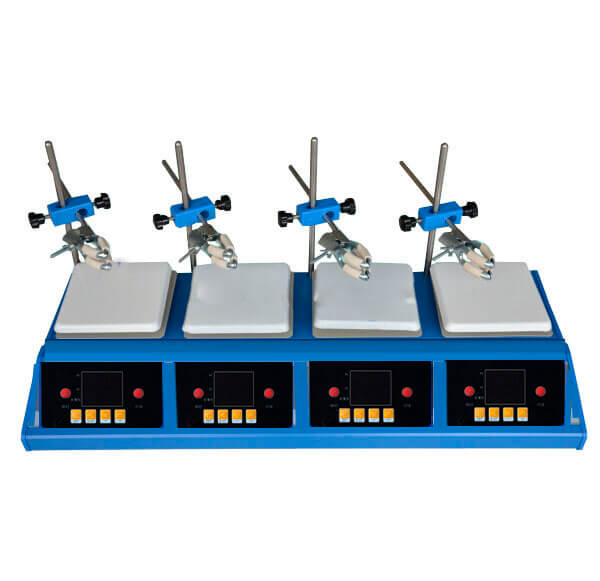
LIMS Integration and Data Flow Digitalization for Multiposition Intelligent Digital Display Ceramic Hotplate Stirrer
The integration of Laboratory Information Management Systems (LIMS) and digitalization of data flow is essential for modern laboratories seeking to optimize their workflows. The Multiposition Intelligent Digital Display Ceramic Hotplate Stirrer series encompasses various models that facilitate seamless integration with LIMS, improving data management and operational efficiency. In this article, we will delve into the key aspects of LIMS integration, how it enhances functionality, and provide a comparative analysis of various models available in this category.
Understanding the Benefits of LIMS Integration
LIMS integration offers numerous benefits, including enhanced data accuracy, better traceability, and streamlined workflows. By connecting hotplate stirrers, such as the Multiposition Intelligent Digital Display Ceramic Hotplate Stirrer YR02953 and YR02954, to LIMS, laboratories can ensure consistent data flow between different laboratory instruments and systems. This integration allows for automatic recording of temperature, stirring speed, and experimental data directly into the LIMS, reducing manual data entry and the potential for human error.
Key Features for LIMS Integration
Each model in the Multiposition Intelligent Digital Display Ceramic Hotplate Stirrer lineup is designed with specific features that enhance LIMS integration. For instance, models like YR02955 and YR02948 provide digital displays for real-time monitoring of operational parameters, which can be directly communicated to the LIMS for analytics and reporting. This capability is essential for maintaining compliance with regulatory standards and improving laboratory productivity.
Data Flow Digitalization in Laboratory Settings
The digitalization of data flow involves converting manual records into electronic formats, making data easily accessible and manageable. Using models like the YR02947, which supports high stirring speeds up to 2000 RPM, allows for real-time data logging and monitoring, providing laboratory professionals with instantaneous feedback on experimental conditions.
Enhancing Data Management with Digitalization
Digitalization transforms the way laboratories manage and share data. With hotplate stirrers equipped with digital displays, such as the YR02949, laboratory personnel can easily track and document experimental parameters. This not only saves time but also enhances data integrity. When integrated with LIMS, the entire workflow from data collection to reporting can be automated, allowing for more efficient operation.
Comparison of Available Models
| Model | Temperature Range | Stirring Speed Range | Best for | Integration Features |
|---|---|---|---|---|
| YR02953 | Room to 400°C | 100-1800 RPM | General laboratory use | Digital display, PID control |
| YR02954 | Room to 400°C | 100-1800 RPM | Advanced mixing applications | High precision temperature control |
| YR02955 | Room to 400°C | 100-1800 RPM | Complex experiments requiring multiple positions | Enhanced data accuracy |
| YR02947 | Room to 400°C | 0-2000 RPM | High-speed applications | Real-time data logging |
| YR02948 | Room to 400°C | 0-2000 RPM | Versatile laboratory tasks | Smart integration with LIMS |
| YR02949 | Room to 400°C | 100-1800 RPM | Basic mixing tasks | Compatible with various LIMS |
Common Mistakes and How to Avoid Them
When implementing LIMS integration with hotplate stirrers, laboratories often overlook critical aspects that can lead to inefficiencies. One common mistake is not fully understanding the compatibility of the models with the chosen LIMS software. For example, while the YR02953 and YR02954 models are equipped with excellent integration features, they may require specific protocols for seamless data exchange. Additionally, it’s crucial to train laboratory staff on how to utilize these models effectively within the LIMS framework.
Frequently Asked Questions
How does LIMS integration improve the efficiency of Multiposition Intelligent Digital Display Ceramic Hotplate Stirrer workflows?
LIMS integration enhances the efficiency of workflows by automating data entry and ensuring accurate recording of experimental parameters. For instance, using the YR02955 model, data can be seamlessly transferred to the LIMS, significantly reducing manual effort and human error.
What are the key features of the YR02954 model for LIMS integration?
The YR02954 model includes a digital display and PID temperature control, which enhance its compatibility with LIMS. This ensures precise monitoring of temperature and stirring speed, allowing for better management of experimental conditions.
Which Multiposition Intelligent Digital Display Ceramic Hotplate Stirrer is best for high-speed applications?
The YR02947 model is ideal for high-speed applications, offering stirring speeds up to 2000 RPM. Its integration with LIMS allows for real-time monitoring, making it suitable for complex laboratory tasks.
What should laboratories consider when selecting a model for LIMS integration?
Laboratories should evaluate the compatibility of the hotplate stirrer with their existing LIMS software and consider features such as digital displays and data logging capabilities. Models like YR02953 and YR02955 provide excellent data management features.
How can the YR02948 model facilitate data flow digitalization?
The YR02948 model's digital display allows for easy tracking of stirring parameters, which can be automatically logged into a LIMS. This digitalization of data flow enhances laboratory efficiency and accuracy.
What are the benefits of using a digital display hotplate stirrer like the YR02953?
The YR02953 model provides a digital display for real-time monitoring of operational parameters, which can be integrated with LIMS for better data management. This feature enhances accuracy and reduces manual data entry.
Why is PID control important in Multiposition Intelligent Digital Display Ceramic Hotplate Stirrer models?
PID control is essential for maintaining precise temperature settings in hotplate stirrers. Models like YR02954 utilize PID control to ensure temperature stability, facilitating accurate experimental conditions necessary for reliable results.
How can laboratories ensure successful integration of hotplate stirrers with LIMS?
Laboratories should ensure that the hotplate stirrer model they choose, such as the YR02955, supports the necessary connectivity protocols for LIMS integration. Training staff on effective use is also crucial for successful implementation.
If you are looking for a fusion of innovation and quality, you have come to the right place. At Kalstein, we offer you the luxury of exploring our exclusive catalog of laboratory equipment. We manufacture every device to the highest standards of excellence. Our intuitive and seamless online purchasing channels are designed for your convenience, securing the most competitive prices. Hesitate no longer — we bring science to life, it is time to become part of our community.