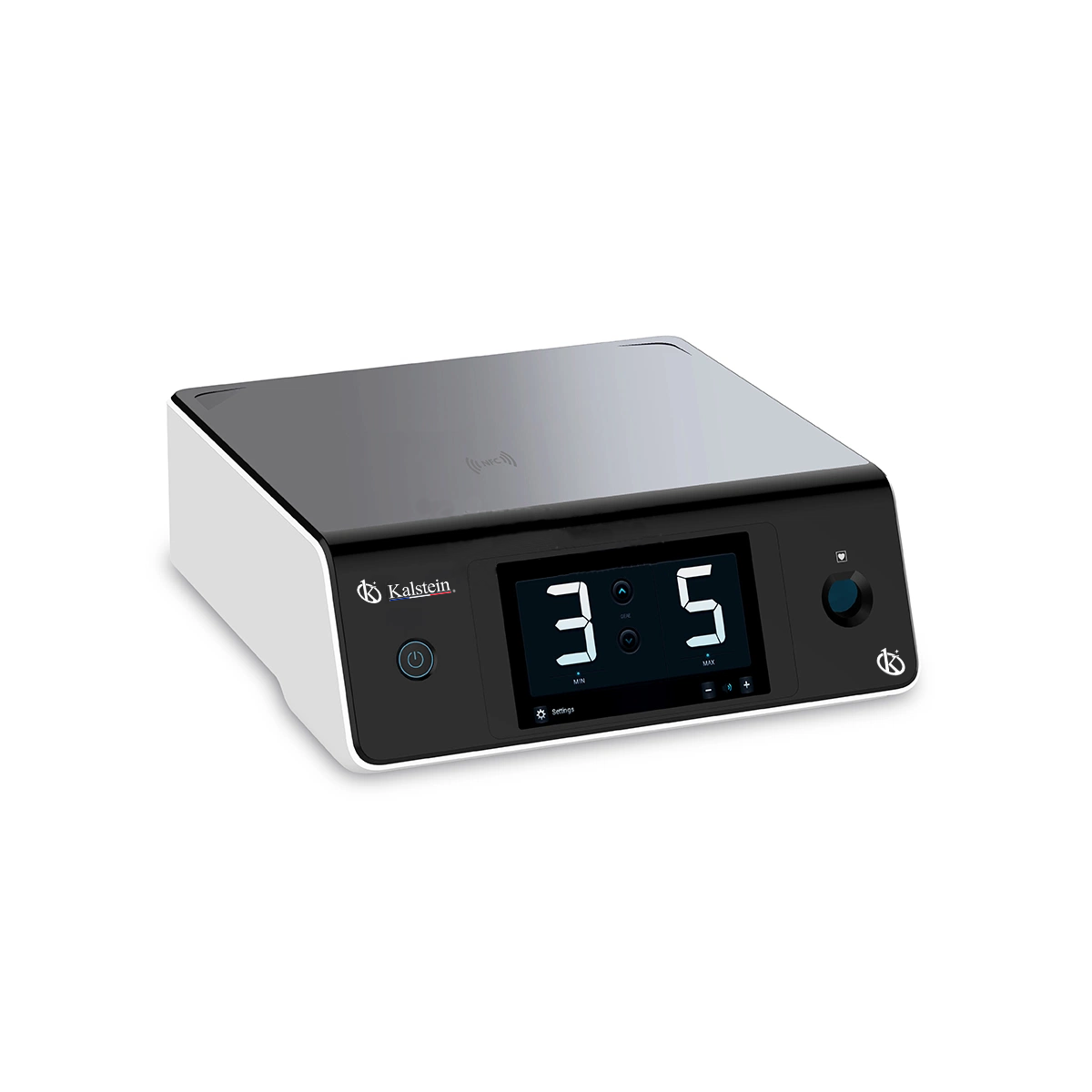
How to Evaluate ROI and Cost-Benefit Analysis for Veterinary Electrosurgical Units
When investing in veterinary surgical equipment, particularly in the veterinary electrosurgical units (ESUs), understanding the return on investment (ROI) and conducting a thorough cost-benefit analysis is critical. This analysis helps veterinary professionals make informed decisions about which electrosurgical units to integrate into their practice. In this article, we will explore the ROI and cost-effectiveness of various models available in the market, focusing on their capabilities, applications, and financial implications.
Understanding the Importance of ROI in Veterinary Electrosurgical Units
ROI is a crucial metric used to evaluate the efficiency of an investment relative to its cost. For veterinary practices, particularly those handling surgical procedures, the right electrosurgical unit can significantly impact operational efficiency, patient outcomes, and overall profitability. By analyzing the ROI associated with different models, practitioners can determine the financial viability of their purchase and select devices that contribute positively to their bottom line.
Key Components of Cost-Benefit Analysis for Electrosurgical Units
A comprehensive cost-benefit analysis for veterinary electrosurgical units encompasses several factors:
- Initial Investment (CAPEX): The upfront cost of purchasing the equipment.
- Operating Expenses (OPEX): Ongoing costs related to maintenance, consumables, and operational usage.
- Effectiveness: Measurement of how well the unit performs its intended surgical functions.
- Time Savings: Reduction in procedure times, leading to increased throughput.
- Patient Outcomes: Improvement in recovery times and surgical success rates.
Comparison of Available Models
| Model | CAPEX (USD) | Estimated Annual OPEX (USD) | Payback Period (Months) | Best Suitable For |
|---|---|---|---|---|
| YR06129 | 2500.00 | 300 | 10 | General surgeries with vessels up to 5 mm |
| YR06130 | 2700.00 | 350 | 12 | General, gynecological, and urological surgeries |
| YR06131 | 3000.00 | 400 | 8 | Laparoscopic and open surgical procedures |
| YR06132 | 1600.00 | 250 | 6 | Open surgeries requiring deep coagulation |
| YR06133 | 5600.00 | 500 | 18 | Flexible applications with dual-wavelength laser |
| YR06134 | 5600.00 | 500 | 18 | Advanced laser surgeries with modular design |
Evaluating the ROI of Individual Models
To accurately assess the ROI for electrosurgical units, it is essential to analyze the expected financial returns based on the specific features of each model and the cost of surgical outcomes. For example, model YR06131, known for its efficiency in laparoscopic procedures, incurs a higher upfront cost but offers a shorter payback period due to its effectiveness in reducing surgical times and improving patient outcomes.
Common Mistakes and How to Avoid Them
Investing in electrosurgical units without a thorough cost-benefit analysis is a common mistake among veterinary practices. Often, practitioners may focus solely on the initial purchase price rather than considering the long-term operational costs and benefits. To avoid this pitfall, veterinary professionals should:
- Conduct a detailed analysis of both CAPEX and OPEX.
- Consider the specific surgical needs and the expected patient volume.
- Review feedback and performance data from other veterinary practices using the same models.
Quantitative Breakdown of Costs
A quantitative analysis helps to visualize the expected financial implications of investing in veterinary electrosurgical units. Below is a sample breakdown of the costs associated with the different models discussed:
| Model | Initial Cost (USD) | Annual Maintenance Cost (USD) | Consumables Cost (Annual, USD) | Total 5-Year Cost (USD) |
|---|---|---|---|---|
| YR06129 | 2500.00 | 300 | 600 | 5100.00 |
| YR06130 | 2700.00 | 350 | 700 | 6150.00 |
| YR06131 | 3000.00 | 400 | 800 | 7400.00 |
| YR06132 | 1600.00 | 250 | 500 | 4700.00 |
| YR06133 | 5600.00 | 500 | 1000 | 8600.00 |
| YR06134 | 5600.00 | 500 | 1000 | 8600.00 |
Frequently Asked Questions
What is the average ROI for veterinary electrosurgical units?
The average ROI for veterinary electrosurgical units can vary, but models like YR06131 offer faster payback periods due to lower operational costs associated with laparoscopic procedures, translating to a more favorable ROI.
How do I calculate the cost per procedure for veterinary electrosurgical units?
To calculate cost per procedure for veterinary electrosurgical units, divide the total operational costs, including model YR06130's consumables and maintenance, by the number of procedures performed annually.
What are the best practices for maintaining electrosurgical units in veterinary practice?
Best practices for maintaining electrosurgical units include regular servicing as specified by the manufacturer, using consumables correctly, and following operational guidelines to ensure longevity, such as those for model YR06132.
How can I evaluate the effectiveness of our current electrosurgical unit?
Evaluate the effectiveness of your current electrosurgical unit by analyzing patient outcomes, surgery duration, and cost metrics like those provided by model YR06131 for laparoscopic procedures.
Which electrosurgical unit is best for advanced surgical procedures?
For advanced surgical procedures, models like YR06133 and YR06134 are recommended due to their dual-wavelength capabilities, which enhance operational versatility.
What financial metrics should I consider when purchasing an electrosurgical unit?
When purchasing an electrosurgical unit, consider metrics such as CAPEX, OPEX, payback period, and cost per procedure, focusing on models like YR06132 for optimal financial impact.
How does the choice of electrosurgical unit impact patient outcomes?
The choice of electrosurgical unit significantly impacts patient outcomes due to differences in efficiency and precision, as seen with model YR06131's effectiveness in minimizing bleeding during surgery.
What features should I look for in a veterinary electrosurgical unit to ensure cost-effectiveness?
Look for features such as operational efficiency, versatility in surgical applications, and low operational costs when considering models like YR06130 and YR06132 for cost-effectiveness.
If you are looking for a fusion of innovation and quality, you have come to the right place. At Kalstein, we offer you the luxury of exploring our exclusive catalog of laboratory equipment. We manufacture every device to the highest standards of excellence. Our intuitive and seamless online purchasing channels are designed for your convenience, securing the most competitive prices. Hesitate no longer — we bring science to life, it is time to become part of our community.