Jak zwiększyć zrównoważony rozwój energetyczny i zmniejszyć ślad węglowy w laboratoriach?
Jako profesjonaliści w dziedzinie laboratoriów, istotne jest, aby rozważać wpływ środowiskowy naszej pracy. Od zużycia energii po generowanie odpadów, wybory operacyjne, które podejmujemy, mogą znacząco wpłynąć na zrównoważony rozwój. Artykuł ten zgłębia różne strategie i technologie, które mogą poprawić zrównoważony rozwój energetyczny i zmniejszyć ślad węglowy w laboratoriach.
Zrozumienie zrównoważonego rozwoju energetycznego w laboratoriach
Zrównoważony rozwój energetyczny w laboratoriach polega na wdrażaniu praktyk, które redukują zużycie energii przy jednoczesnym utrzymaniu efektywności operacyjnej. Takie podejście nie tylko obniża koszty operacyjne, ale także przyczynia się do ochrony środowiska poprzez minimalizację emisji dwutlenku węgla. Laboratoria często zużywają znaczne ilości energii z powodu użycia sprzętu, w tym mikroskopów i pipet, co wymaga skupienia się na praktykach energooszczędnych.
Energooszczędny sprzęt laboratoryjny
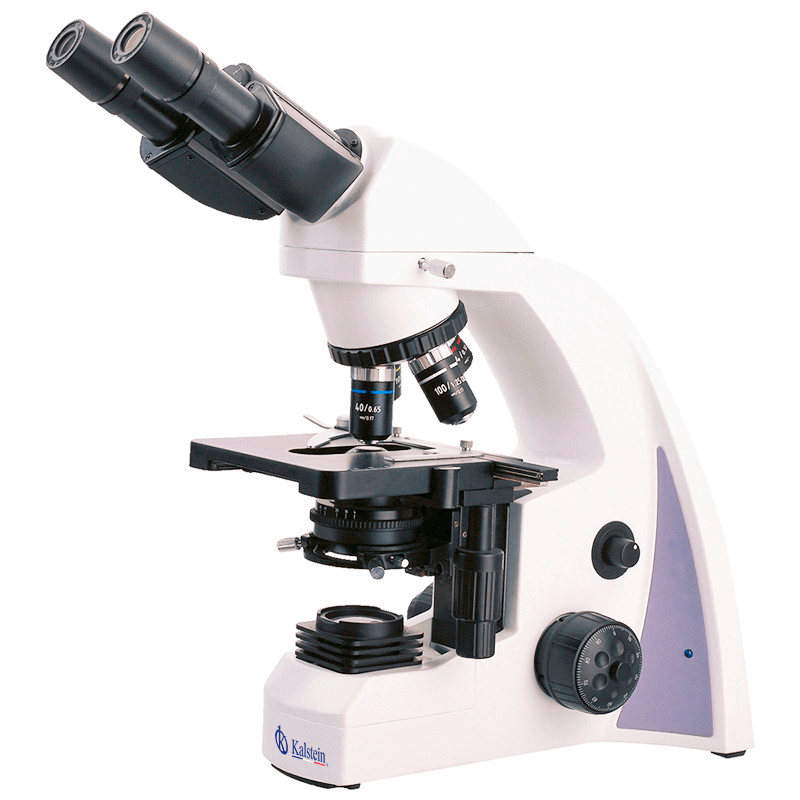
Wykorzystanie energooszczędnego sprzętu laboratoryjnego jest kluczowym krokiem w redukcji zużycia energii. Modele takie jak Mikroskop laboratoryjny YR0237-0-1 i Mikroskop laboratoryjny YR0237-1 są zaprojektowane z funkcjami oszczędzania energii, które pomagają laboratoriom działać bardziej zrównoważenie. Te mikroskopy wykorzystują oświetlenie LED, które ma dłuższą żywotność i zużywa mniej energii w porównaniu do tradycyjnego oświetlenia żarowego.
Redukcja zużycia wody i odczynników
Minimalizacja zużycia wody i odczynników jest kluczowa dla zwiększenia zrównoważonego rozwoju laboratorium. Wdrażanie praktyk takich jak recykling odczynników, używanie mikropipet, takich jak Pipety do obsługi cieczy YR03731-1, oraz optymalizacja protokołów może znacząco zmniejszyć odpady. Laboratoria mogą przeprowadzić ocenę cyklu życia, aby ocenić swoje zużycie wody i zidentyfikować możliwości redukcji.
Ocena cyklu życia i jej rola w zrównoważonym rozwoju
Ocena cyklu życia (LCA) dostarcza informacji na temat wpływu środowiskowego sprzętu laboratoryjnego od produkcji do utylizacji. Oceniając pełny cykl życia sprzętu, menedżerowie laboratoriów mogą wybierać modele, które minimalizują wpływ na środowisko. Na przykład, wybierając sprzęt o dłuższej trwałości, można zmniejszyć częstotliwość wymiany, co z kolei obniża ogólny ślad węglowy.
Wdrażanie systemów zarządzania energią
Używanie systemów zarządzania energią (EMS) może znacznie zwiększyć efektywność energetyczną laboratorium. Systemy te monitorują zużycie energii w czasie rzeczywistym, dostarczając dane, które mogą być wykorzystane do identyfikacji nieefektywności. Integrując EMS z wyposażeniem laboratoryjnym, takim jak Mikroskop Laboratoryjny YR0237-1-1, laboratoria mogą jeszcze bardziej optymalizować swoje zużycie energii.
Odnawialne Źródła Energii w Laboratoriach
Włączenie odnawialnych źródeł energii, takich jak panele słoneczne, może znacznie zmniejszyć zależność laboratorium od tradycyjnych źródeł energii. Przechodząc na odnawialne źródła energii, laboratoria nie tylko zmniejszają swój ślad węglowy, ale także przyczyniają się do bardziej zrównoważonej sieci energetycznej.
Porównanie Dostępnych Modeli
| Model | Funkcje Efektywności Energetycznej | Najlepsze Dla |
|---|---|---|
| YR0237-0-1 | Oświetlenie LED, optyka oszczędzająca energię | Ogólne użycie laboratoryjne |
| YR0237-1 | Regulowana jasność, ekologiczny design | Instytucje edukacyjne |
| YR0237-1-1 | Trwały z niskim zużyciem energii | Laboratoria badawcze |
| YR03731-1 | Ergonomiczny design, minimalna siła operacyjna | Aplikacje precyzyjne wymagające dokładności |
| YR03731-2 | Design o niskiej produkcji odpadów, łatwa kalibracja | Laboratoria koncentrujące się na oszczędności odczynników |
| YR03731-3 | Kodowanie kolorami dla objętości, minimalizuje rozlania | Ogólne użycie w laboratorium z różnymi odczynnikami |
Typowe Błędy i Jak Ich Unikać
Jednym z typowych błędów, które popełniają laboratoria, jest brak regularnych audytów energetycznych. Audyty te mogą pomóc zidentyfikować obszary nadmiernego zużycia i wprowadzić poprawki. Innym błędem jest niedocenianie znaczenia edukacji personelu w zakresie praktyk oszczędzających energię. Upewnij się, że cały personel laboratoryjny jest przeszkolony w efektywnym korzystaniu z urządzeń takich jak Pipety do Obsługi Cieczy, ponieważ może to mieć kumulatywny pozytywny wpływ na zrównoważony rozwój.
Najczęściej Zadawane Pytania
Jak laboratoria mogą poprawić efektywność energetyczną przy użyciu modeli mikroskopów?
Laboratoria mogą zwiększyć efektywność energetyczną, wybierając modele takie jak Mikroskop Laboratoryjny YR0237-0-1, który posiada oszczędzające energię światła LED. Ten model zmniejsza zużycie energii przy zachowaniu wysokiej wydajności.
Jakie są korzyści z używania pipet oszczędzających energię w laboratoriach?
Używanie energooszczędnych pipet, takich jak Fluid Handling Pipettes YR03731-1, minimalizuje siłę operacyjną i odpady, co skutkuje niższym zużyciem energii i mniejszym śladem węglowym.
Który mikroskop laboratoryjny oferuje najlepsze cechy zrównoważonego rozwoju?
Mikroskop laboratoryjny YR0237-1 został zaprojektowany z regulowaną jasnością i ekologicznymi materiałami, co czyni go najlepszym wyborem dla laboratoriów dążących do zwiększenia zrównoważonego rozwoju.
Jak oceny cyklu życia mogą poprawić zrównoważony rozwój laboratoriów?
Oceny cyklu życia pomagają zidentyfikować wpływ na środowisko sprzętu laboratoryjnego, takiego jak ten w kategorii Mikroskop laboratoryjny, co pozwala na podejmowanie świadomych decyzji promujących zrównoważony rozwój.
Jaką rolę odgrywają systemy zarządzania energią w laboratoriach?
Systemy zarządzania energią monitorują zużycie energii w czasie rzeczywistym, dostarczając laboratoriom danych do optymalizacji zużycia. Wdrożenie takich systemów z urządzeniami takimi jak YR0237-1-1 może prowadzić do znacznych oszczędności energii.
Jak laboratoria mogą skutecznie zmniejszyć zużycie wody?
Laboratoria mogą zmniejszyć zużycie wody poprzez recykling reagentów i optymalizację użycia pipet. Wykorzystanie modeli takich jak Fluid Handling Pipettes YR03731-2 pomaga w minimalizacji odpadów i oszczędzaniu wody.
Jakie strategie mogą pomóc w zmniejszeniu generowania odpadów w laboratoriach?
Wdrożenie strategii redukcji odpadów, takich jak używanie pipet YR03731-3, które minimalizują rozlanie, oraz stosowanie refillable reagentów, może znacznie zmniejszyć generowanie odpadów w laboratoriach.
Dlaczego szkolenie personelu jest niezbędne do promowania zrównoważonego rozwoju energetycznego?
Szkolenie personelu zapewnia, że pracownicy laboratorium są świadomi praktyk energooszczędnych i prawidłowego użycia sprzętu, takiego jak Mikroskop laboratoryjny YR0237-0-1, aby maksymalizować wysiłki na rzecz zrównoważonego rozwoju.
Jeśli szukasz połączenia innowacji i jakości, trafiłeś we właściwe miejsce. W Kalstein oferujemy Ci luksus odkrywania naszego ekskluzywnego katalogu sprzętu laboratoryjnego. Produkujemy każde urządzenie zgodnie z najwyższymi standardami doskonałości. Nasze intuicyjne i bezproblemowe kanały zakupu online zostały zaprojektowane z myślą o Twojej wygodzie, zapewniając najbardziej konkurencyjne ceny. Nie wahaj się dłużej — wprowadzamy naukę w życie, czas stać się częścią naszej społeczności.